SEGA News Bits Live: Remembering David Rosen

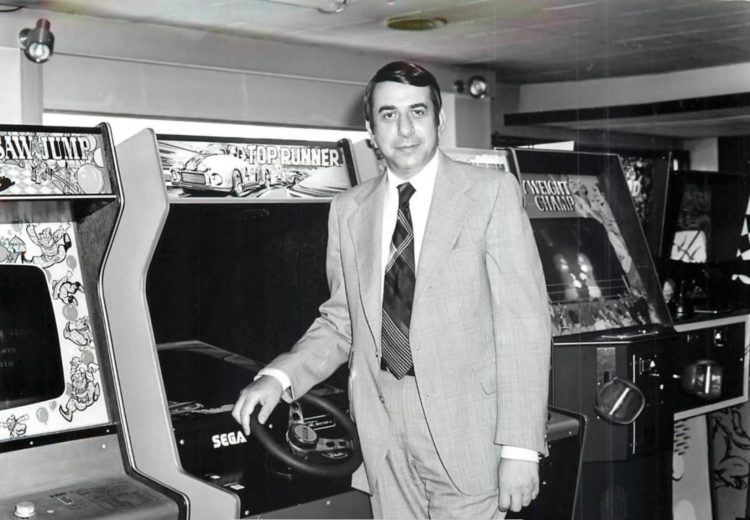
On Christmas day, 2025, we lost one of the most influential men in SEGA history: David Rosen. David was a co-founder of SEGA, meaning he was not solely responsible, but he was one of the most important and key figures in the company’s founding. On this episode, we look back on his history and remember David Rosen.

If you want to support this type of content, you can check out our Patreon!

If you enjoy our SEGA News Bits segments and want to support us: Give us a sub and give this video a thumbs up so it shows up on more like-minded fans YouTube recommendations. You know, how that YouTube algorithm is.

SEGA co-founder David Rosen passed away on Christmas Day, 2025

It’s a sad day for all of us Sega fans. One of the most important people in the entire history of Sega has finally left this mortal coil.

David Rosen, the founder of Rosen Enterprises, which would later become the company we all know and love today as Sega, has passed away on December 25th, 2025 at the age of 95 in his Hollywood Hills, Los Angeles home. His funeral was held on January 2nd, 2026 at Inglewood Park Cemetary. News of his passing only just became public on January 2nd courtesy of Replay Magazine.

Very few people in the history of Sega are more worthy of being celebrated than David Rosen. He alone began the chain of events that led to the creation of Sega, and by extension, many of the games they had brought to the world that touched our hearts for decades. Whether it’s Sonic the Hedgehog, NiGHTS, OutRun, Phantasy Star, Shenmue, Like A Dragon, or countless other examples, Mr. Rosen allowed for all of that to eventually be possible.

But it’s not just Sega fans who have plentiful reason to celebrate this man’s life. Part of why Mr. Rosen founded Rosen Enterprises in the first place is because he saw great potential in the coin-op market in post-war Japan. His company was first made to help import coin-op games, which we know now as arcade games, to Japan. This eventually led to Sega making arcade games of their own, but the entire arcade industry owes a major debt of gratitude to Mr. Rosen for that.

If you’d like to hear more about the prestigious spot Mr. Rosen holds in video game history, you can hear more past the break. For now, though, on behalf of SegaBits and Sega/gaming fans around the globe, we salute the amazing David Rosen and thank him for his services to gaming. We are glad he lived such a long, fulfilling life and that he may now rest in peace. Many condolences go out to his surviving family and friends as well.

EDIT: I’ve edited my write-up on Sega following the Gulf+Western buyout to clear up some false information. My apologies for that.

The time President Donald Trump attended the SEGA Genesis launch in 1989

Back in the olden days, console launches really benefited from regular TV exposure and SEGA had a segement on Movietime (later renamed E!) in 1989 when they launched their revolutionary SEGA Genesis home console. Most of the talking is done by Andy Eddy then editor-in-chief for Video Games & Computer Entertainment Magazine. But if you watch the video, about 1:19 mark has our now President Donald Trump attending the event. Not only that, he also has (what seems) like a decent haircut.

Not only that but we also have SEGA founder David Rosen later on in the clip talking about the POWER of the SEGA Genesis.

The History of Sega Japan R&D, Part 1: The Origins and the 80s

THE ORIGINS

Sega is an interesting company when it comes to their origins. There are companies like Namco, Taito and Konami that started in the 60s with electromechanical games and there are those like Capcom and Square that started in the 80s with video games. Sega is different.

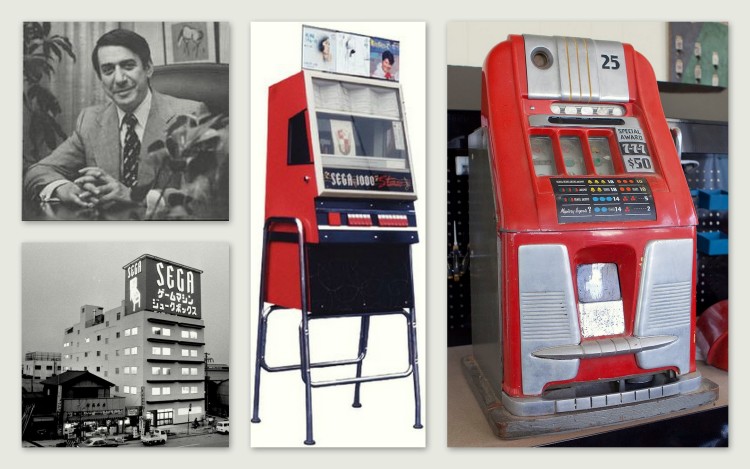
Sega had its roots even earlier with slots and jukeboxes in the 1940s in Hawaii, when they were known as Standard Games. Today, Sega of Japan would rather say that Sega didn’t start until it was moved to Tokyo and renamed to Service Games in 1951. However all that expertise in manufacturing slots and jukeboxes during the Standard Games days really gave Sega the boost they needed when they entered the market to manufacture their very first “Amusement Machine” in 1965, Periscope, which the company still prides itself for as it was their first worldwide commerical success.