
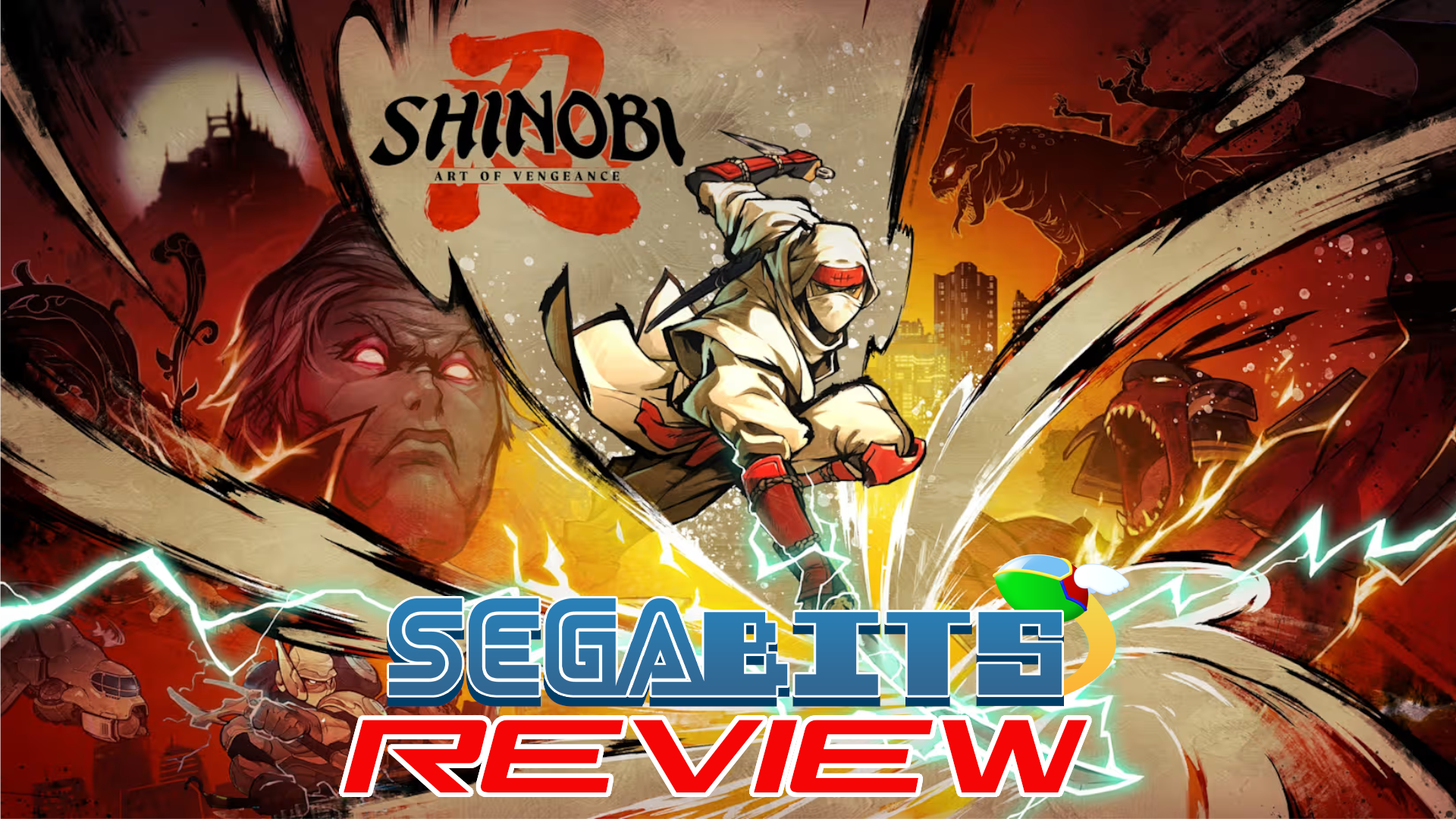
The Shinobi legacy returns with Shinobi: Art of Vengeance, a modern reimagining of SEGA’s iconic ninja action series. Released earlier this year, the game slices its way onto PlayStation 5, Xbox Series X|S, Nintendo Switch, and PC, bringing a mix of stylish combat, retro-inspired flair, and fresh design sensibilities. Behind the project is Lizardcube, the Paris-based studio best known for revitalizing another SEGA classic with Streets of Rage 4. Having earned widespread praise for blending hand-drawn artistry with tight, old-school gameplay, Lizardcube now turns its attention to one of SEGA’s most enduring heroes, aiming to reintroduce Shinobi to a new generation while respecting the series’ stealth-and-slash roots.
But will their trademark flair fit seamlessly with the iconic Shinobi franchise? I spent time with Art of Vengeance, and in this review, we’ll talk about what works, what doesn’t, and whether this revival lives up to its legendary name.
The Story of Shinobi Continues
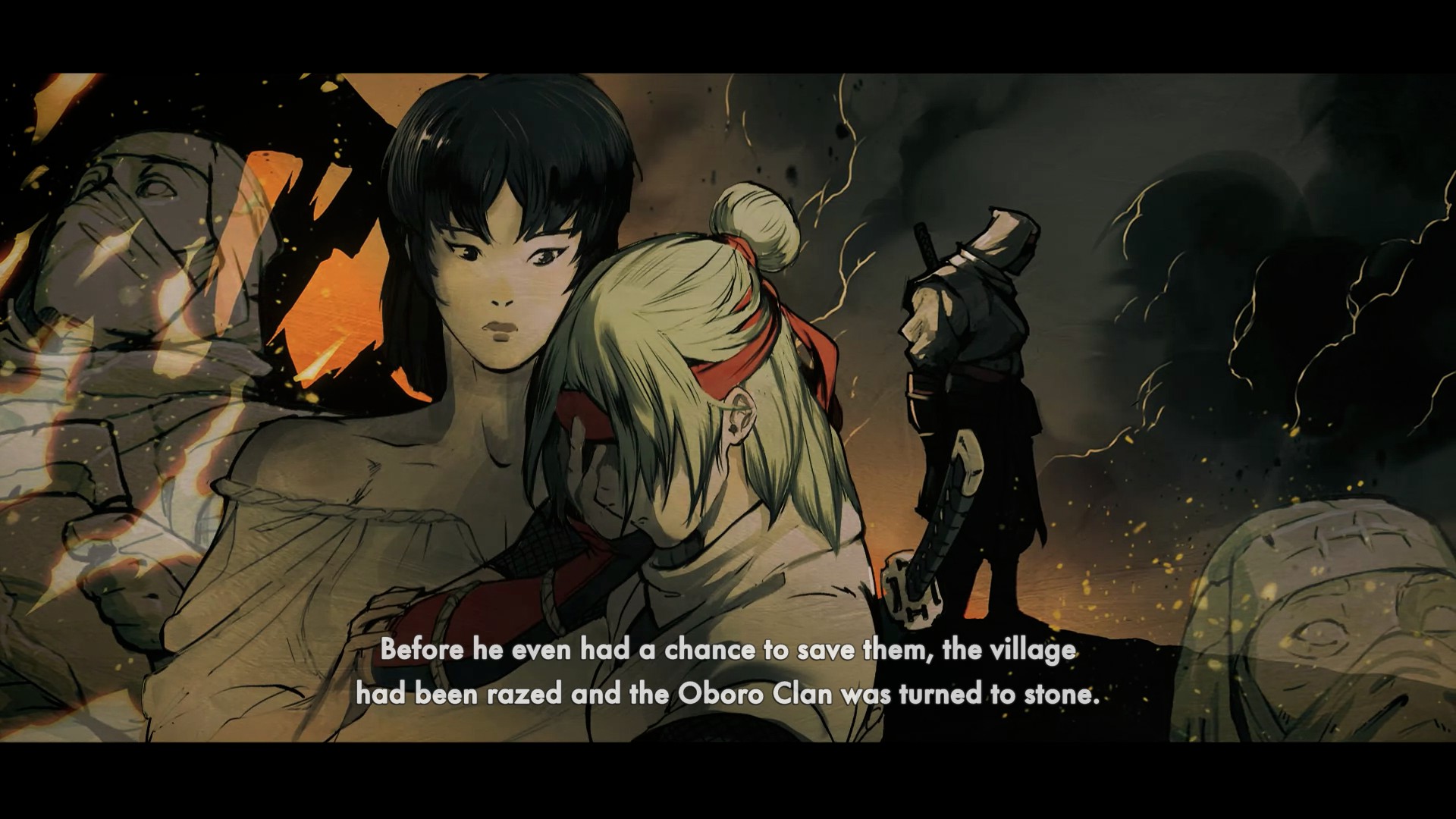
Shinobi: Art of Vengeance brings back Joe Musashi to face a new threat from the shadowy ENE Corporation, a global syndicate that has resurfaced with ties to dark magic and advanced technology. The group’s experiments unleash supernatural forces across the world, and Musashi once again takes up the mantle of protector to dismantle their operations stage by stage. On paper it’s a solid continuation of the franchise’s tradition of pitting Musashi against overwhelming odds, blending ninjutsu mysticism with cyberpunk villainy.
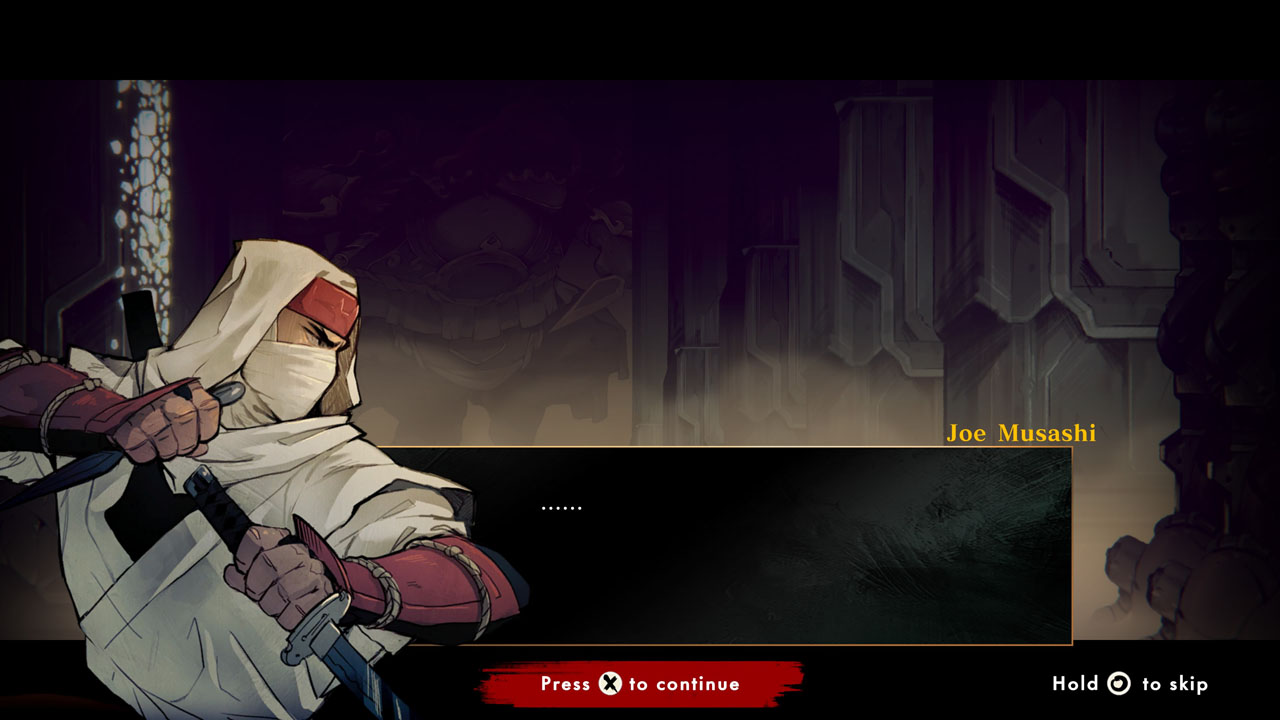 It is clear that the team wanted to bring more weight to the story than past entries ever attempted. The effort is noble, but the execution is uneven. Older Shinobi titles dropped you straight into the action with little more than a stage title card, which gave them the pacing and intensity of nonstop action films. Art of Vengeance, on the other hand, frequently interrupts gameplay with cutscenes that slow the momentum. While these sequences flesh out the world and spotlight newly introduced side characters, I rarely felt invested in their struggles or motivations. Musashi himself remains wisely silent, but the supporting cast lacks the spark needed to carry the narrative forward.
The saving grace is that these cutscenes showcase the stunning hand-drawn work of Ben Fiquet. His bold lines and expressive designs elevate otherwise forgettable dialogue into moments worth watching, even if they disrupt the flow. Still, the contrast with past titles is hard to ignore: where those games felt like pure adrenaline with no downtime, Art of Vengeance sometimes feels bogged down by its own storytelling ambitions. In the end, the story is the weakest aspect of the game, though that speaks more to how strong the combat and presentation are than to any outright failure in the writing.
Striking Visuals and Bold Art Direction
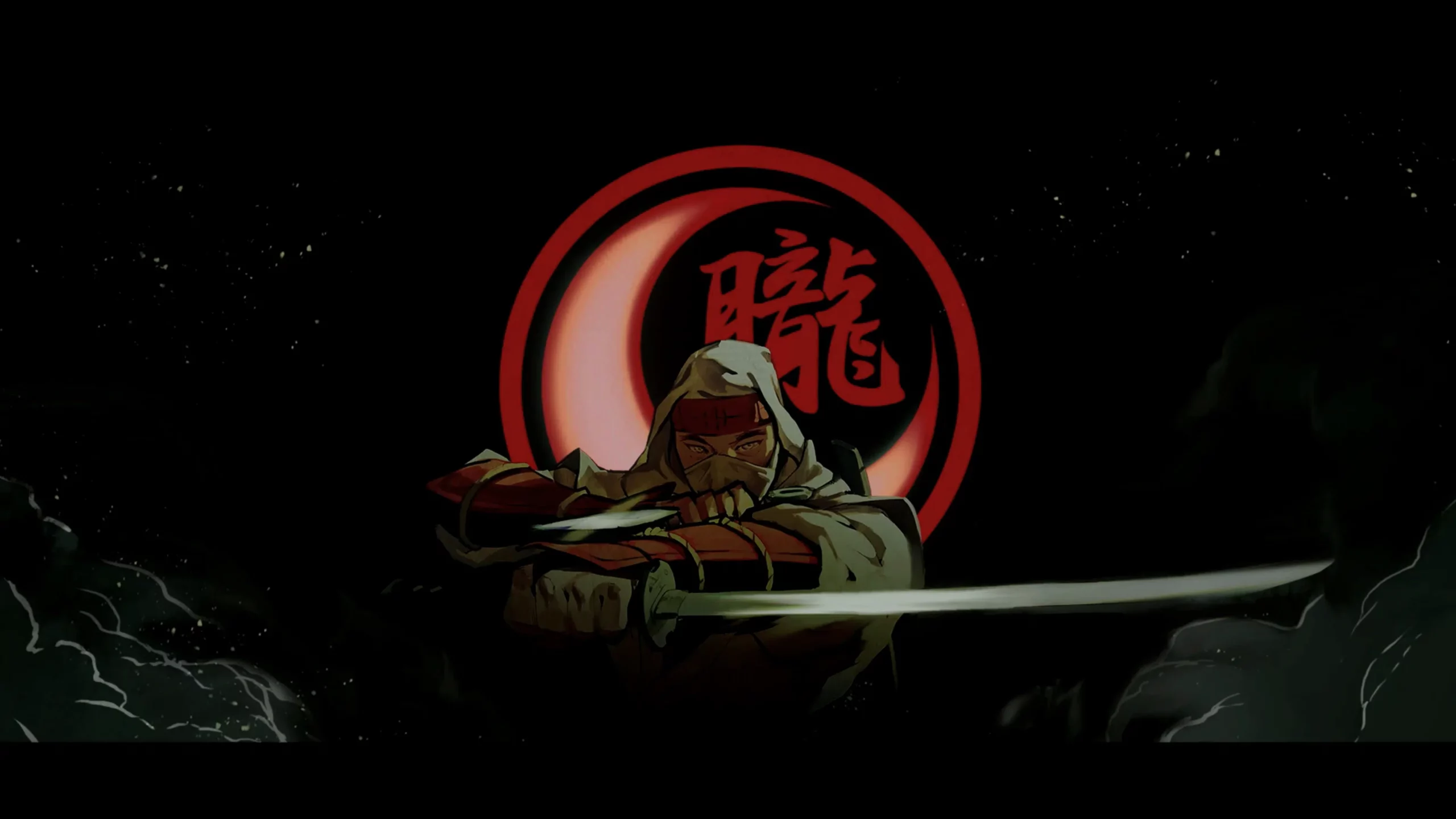
Visually, Shinobi: Art of Vengeance is nothing short of striking. The hand-drawn animations and unique art style give the game a modern energy that feels distinctly like a Lizardcube production. While the original Shinobi games carved out their identity through sharp, moody pixel art, this entry takes a different approach, leaning into the same bold aesthetic that made Streets of Rage 4 stand out. The result is a presentation that feels alive and stylish, with every movement and attack flowing seamlessly from one frame to the next. It is a reinvention of Shinobi’s visual identity, yet one that still captures the sense of spectacle the series has always thrived on.
Some longtime fans have voiced concerns that the art direction and character designs stray too far from the series’ roots, but I found the change refreshing. The bold lines, fluid character animations, and exaggerated designs give Art of Vengeance a unique identity instead of simply rehashing the past. Every slash, dodge, and combo is animated with a level of smoothness that makes the action feel responsive and cinematic. It may not look like the Shinobi of the late eighties and nineties, but this new style works, and in motion it is nothing short of glorious.
The Gameplay is King
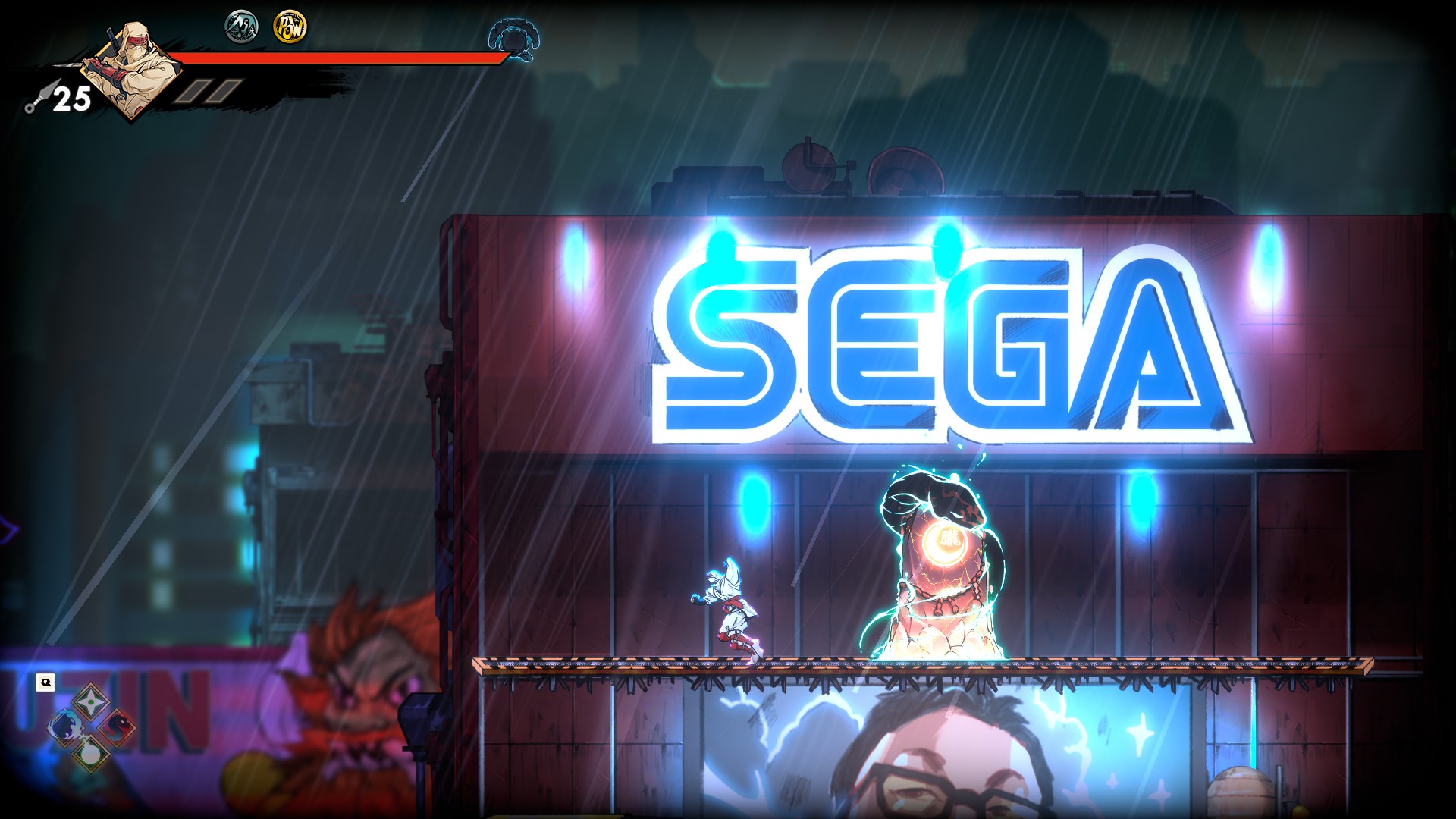
Gameplay in Shinobi: Art of Vengeance is surprisingly deep, striking a balance between honoring the series’ roots and introducing modern refinements. Earlier Shinobi games, especially those influenced by Rolling Thunder, thrived on the high-risk “one hit, one kill” mechanic. While that tension worked in its time, Lizardcube wisely expands on what made the series unique by layering in mechanics that feel better suited for today. Joe Musashi still showcases his iconic techniques like the dive kick, shuriken throws, and the devastating ninjutsu arts seen in Revenge of Shinobi. On top of this, players can unlock new abilities, outfits, and power-ups by collecting Oboro Coins, which can then be spent at the Yokai Shop. These upgrades not only add variety but also give players a sense of progression that keeps the combat fresh from stage to stage.
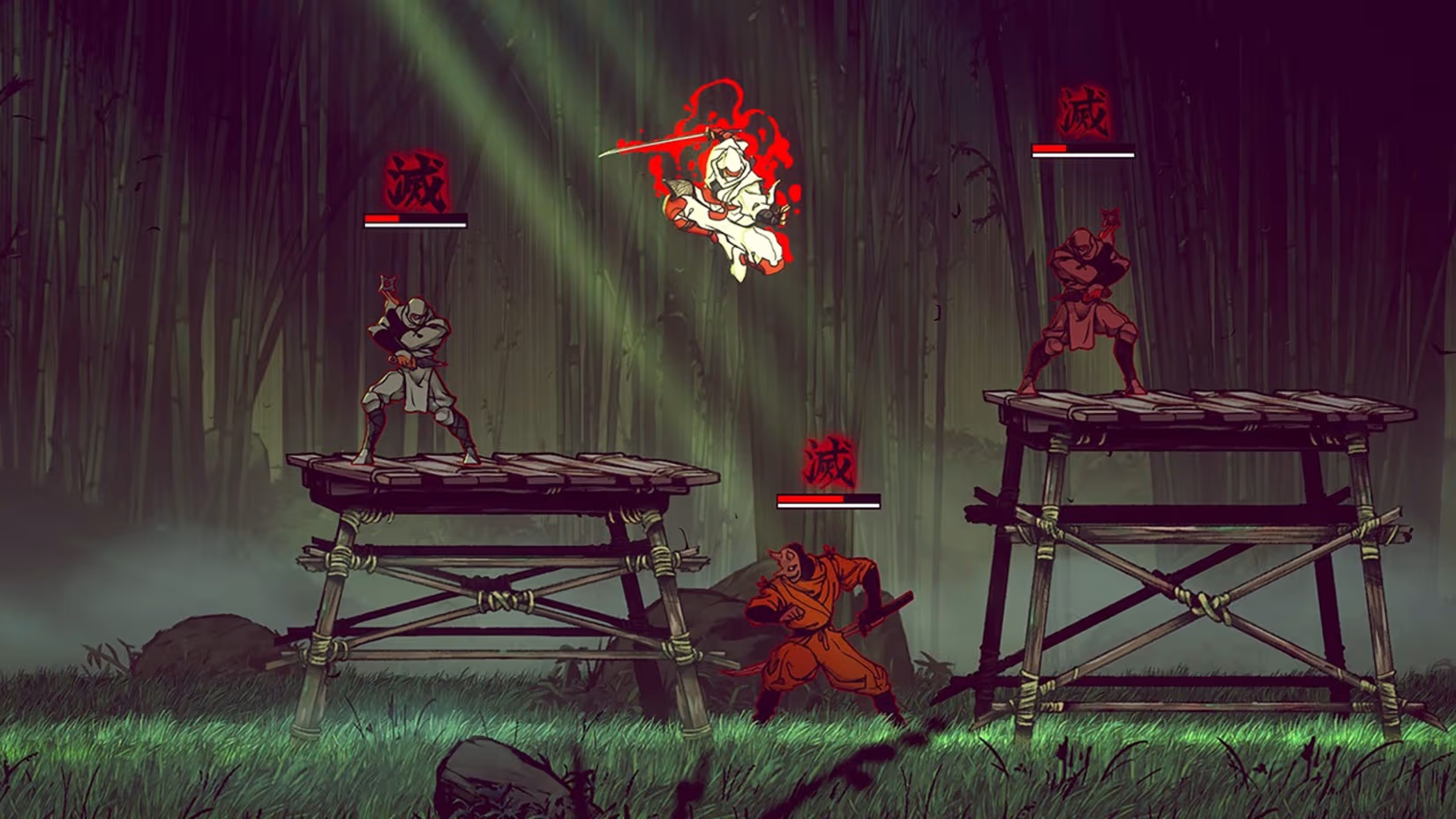 At the heart of the game, the combat feels razor-sharp, quick, and incredibly responsive. One of the best additions is the new dash ability, which lets you evade incoming attacks with precision. Not everything can be dashed through, though; attacks highlighted in dark purple are unavoidable, forcing you to dodge the old-fashioned way or rely on smart positioning. This mix of offensive and defensive options keeps battles tense and exciting, and it makes controlling Joe more fluid than ever. Combined with a simplified juggle system, reminiscent of Streets of Rage 4, combat becomes both accessible and endlessly rewarding. Launching enemies into the air and experimenting with combos feels natural, and with the right sequence of moves, you can wipe out squads of enemies in one stylish run.
The difficulty curve hits a sweet spot that feels challenging without becoming punishing. Stages have their tough moments, but instead of frustration, they spark that addictive “just one more try” mentality. Checkpoints and lives are more forgiving than in past entries, which means you won’t be forced to restart entire levels when things go wrong. For players with limited time, this design is a welcome change, while veterans still have plenty of challenges thanks to Elite Squads and the Ankou Rifts. These special encounters mix platforming gauntlets with intense enemy battles, pushing you to master your moves and adapt on the fly.
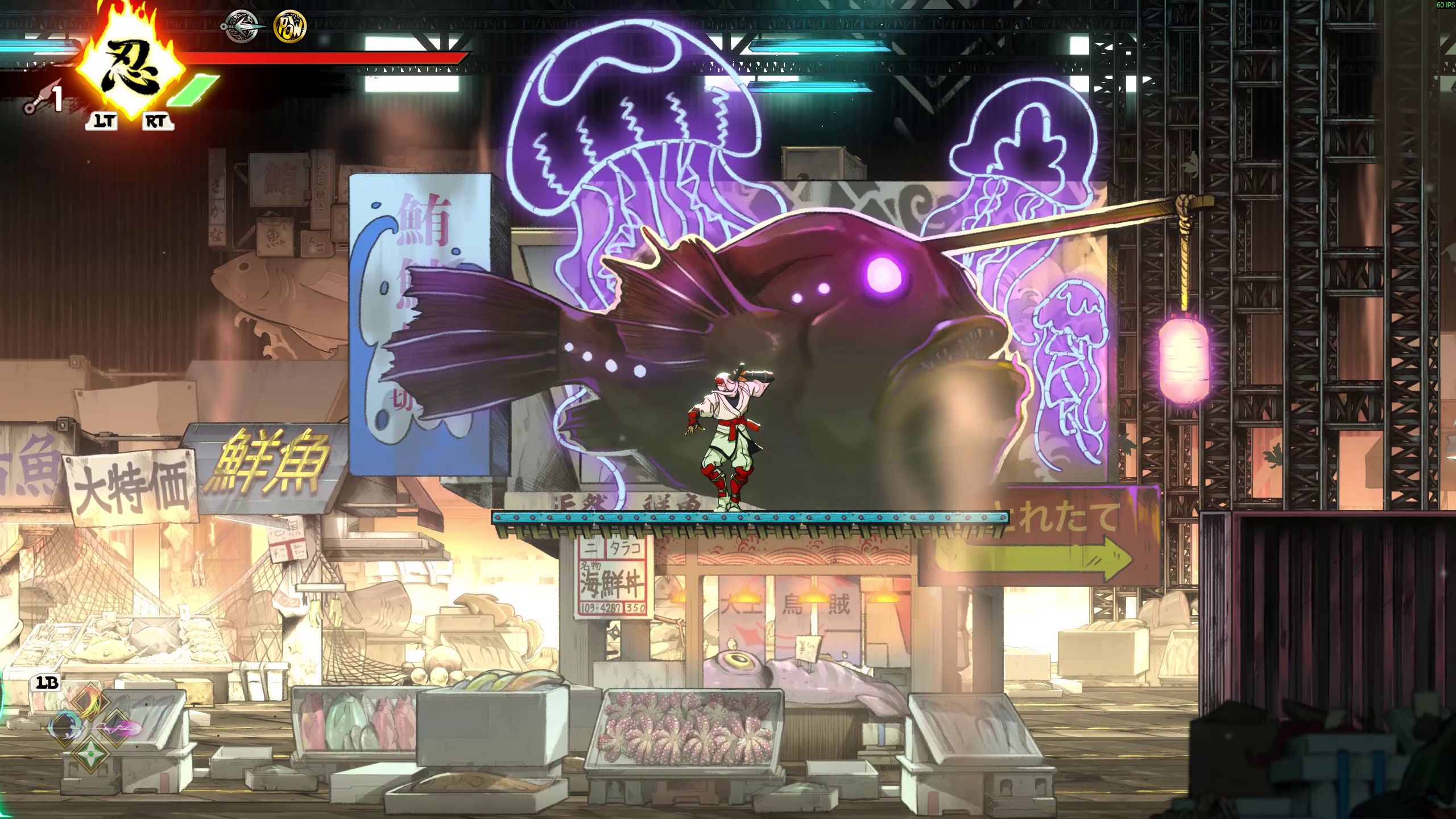
One of the biggest shifts comes in the level design. Where past games leaned on straightforward, linear stage layouts, Art of Vengeance adopts a more open structure that encourages exploration. Branching paths, hidden secrets, and alternate routes make each level feel expansive and worth revisiting. The structure still funnels you toward a clear objective, but the freedom to experiment with different approaches adds a welcome layer of replayability. Combined with the upgrade system, fluid combat, and varied challenge stages, Shinobi: Art of Vengeance elevates itself beyond a simple throwback and into the realm of a modern action-platformer with real depth.
The Sound of Vengeance
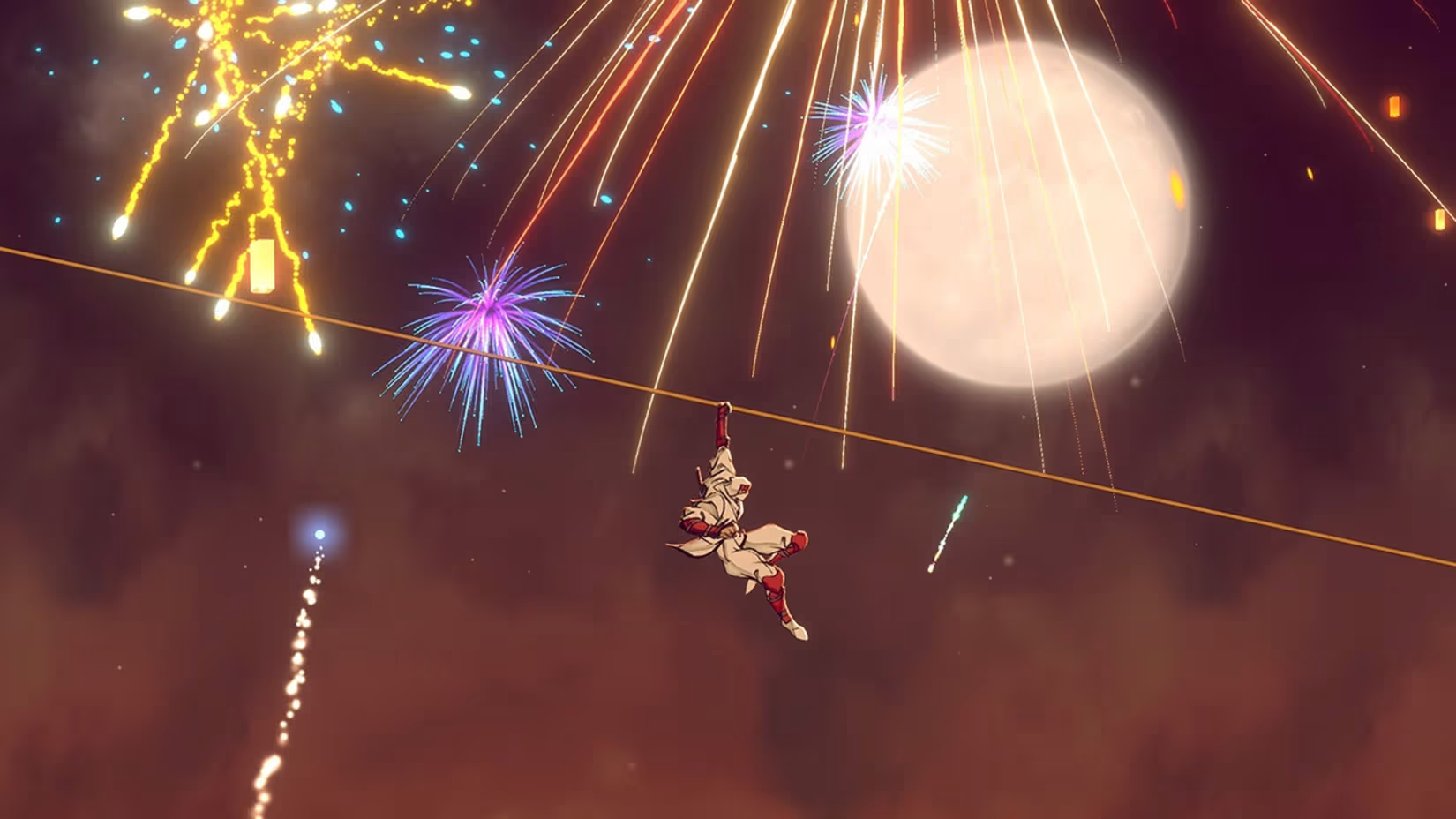
The soundtrack of Shinobi: Art of Vengeance carries serious pedigree, with Tee Lopes and Yuzo Koshiro collaborating to bring the music to life. Lopes, best known for his breakout work on Sonic Mania, has quickly become one of SEGA’s go-to composers for modern revivals. Koshiro, meanwhile, is practically royalty in the SEGA pantheon, with legendary scores for The Revenge of Shinobi and the Streets of Rage trilogy cementing his reputation decades ago. Bringing these two together is a perfect move, as it bridges past and present talent while setting high expectations for the game’s soundscape.
Rather than sticking purely to adrenaline-pumping action tracks, the soundtrack mixes approaches. Some stages lean on more mystical and ambient tones, building atmosphere instead of constantly driving the pace. At the same time, there are standout pieces that echo SEGA’s classic sound, such as “Lantern Festival Escape,” which channels the vibe of Streets of Rage 3 with its high-energy layering. Koshiro’s contributions in particular feel like deliberate callbacks to his earlier Shinobi and Streets of Rage work, delivering tracks that instantly feel at home within the series’ history. Lopes brings in fresher, more experimental touches that round out the score. While not every track is designed to keep your pulse racing, the variety works in the game’s favor, and the full soundtrack is absolutely worth a listen on its own.
Conclusion: A Worthy Return for a Ninja Legend
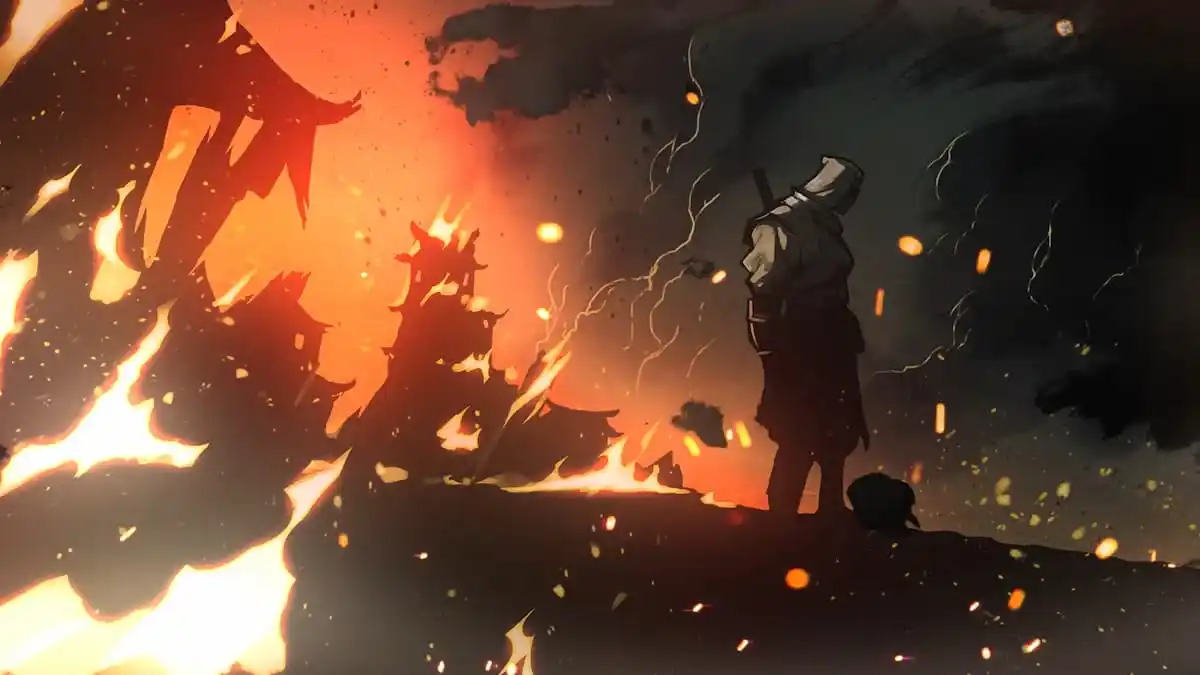 Shinobi: Art of Vengeance is not a perfect revival, but it is a bold and confident one. The story tries to add more weight than past entries, yet its uneven writing and reliance on cutscenes often slow the action instead of elevating it. What redeems those moments is the gorgeous art of Ben Fiquet, whose visuals alone make the narrative sequences worth watching. The real magic of the game, however, lies in its presentation, its fluid combat, and its willingness to evolve the Shinobi formula without losing sight of its roots.
The fast, responsive gameplay and new mechanics like the dash and juggle system breathe life into Joe Musashi, while the upgrade paths and more open level design make every stage feel replayable and fresh. The soundtrack, with Tee Lopes bringing modern flair and Yuzo Koshiro grounding the score in Shinobi’s legacy, ties it all together in a way that feels both nostalgic and forward-looking. Some fans may debate the art direction or miss the relentless pacing of the classics, but for me, Art of Vengeance delivers what matters most: a game that makes Shinobi feel vital again. It is a triumphant return for Joe Musashi, and a reminder that this series still has plenty of fight left in it.
Positive:
- Fast, responsive combat with new mechanics like the dash and juggle system
- Impressive story, tight writing
- Striking hand-drawn visuals and smooth animations from Lizardcube
- Open level design with branching paths and rewarding exploration
- Excellent soundtrack blending Tee Lopes’ modern flair with Yuzo Koshiro’s callbacks to the classics
Negative:
- Story and side characters lack impact and slow down the action
- Frequent cutscenes disrupt the fast-paced, arcade feel of classic Shinobi
- ome fans may find the art direction too far removed from the series’ roots
 “Shinobi is finally back!”
Related posts:
 How To Make Sega Ages Releases More Appealing
 Wingman SD Review: Use Modern Controllers & Arcade Sticks on SEGA Dreamcast & Saturn
 SEGA News Bits: Yakuza: Like A Dragon Gets English Voice Cast, Release Date and More
 Super Monkey Ball Banana Mania box art and screenshots leak online ahead of its E3 Nintendo Direct debut
 Like a Dragon Gaiden’s opening movie and main theme “Katatoki” released featuring Yojiro Noda & Rapper JID
Good run down, not sure I agree about the cut-scenes being that frequent, they aren’t that long and only occure once on a new stage entry and in a couple of levels mid-way, though I think making Joe’s voice limited to just a grunt is a bit limiting, but then if he was given more lines, it might change the canvas a bit too much from what is expected of him, it would give him more of a personality that we’ve never been accustomed to.
it has now taken the record as being the highest metacritic rated Shinobi on record since the 80s original.