
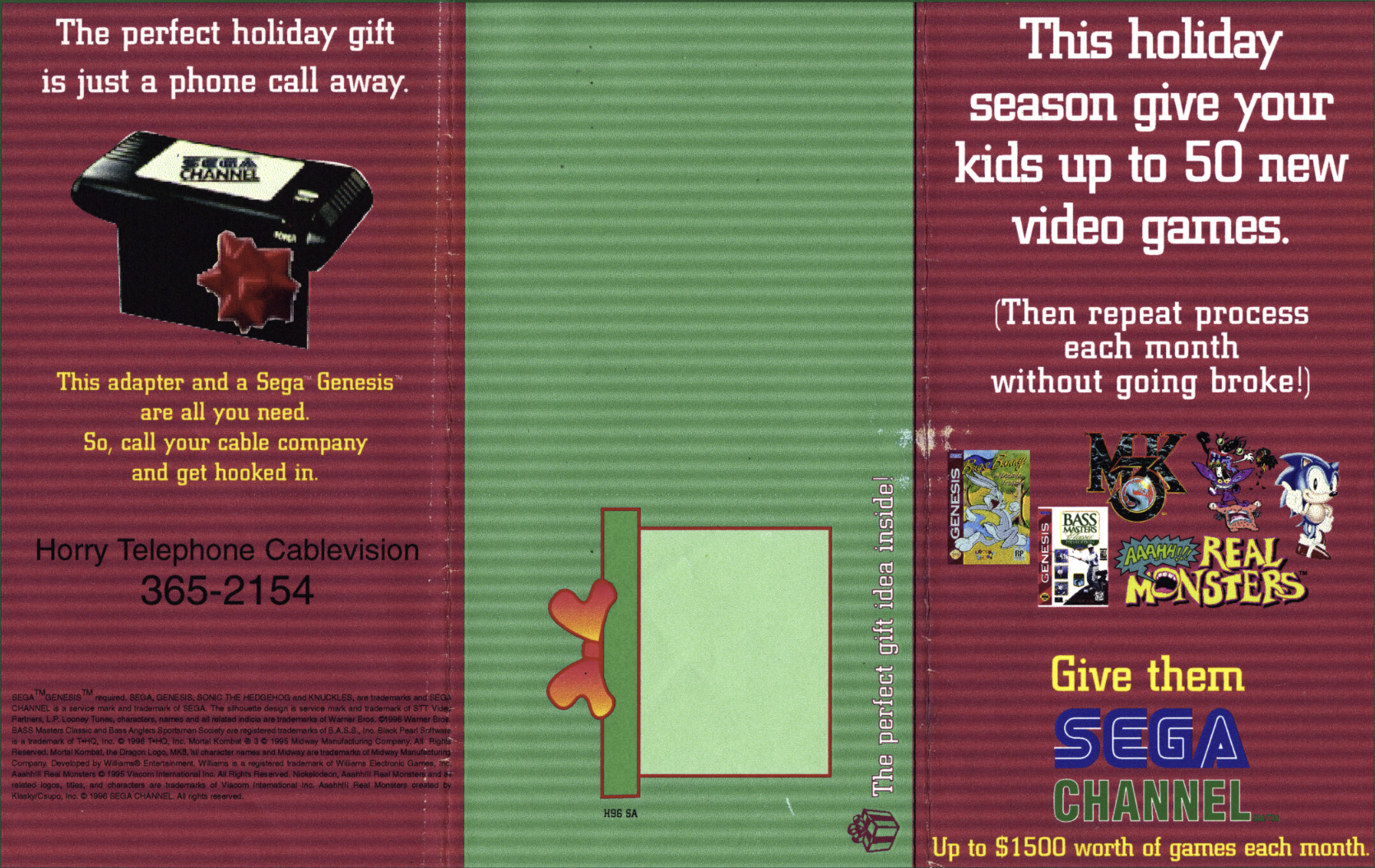
Looks like Christmas came a week early, Sega fans.
In, easily, the most incredible case of video game preservation that I’ve written about here on SegaBits to date, the Video Game History Foundation has recovered a massive amount of archival data pertaining to the Sega Channel, an online games-on-demand service that ran for Sega Genesis/Mega-Drive from 1994-1998 via cable TV services. For almost thirty years, the majority of material here had been lost media. The older folks among you, myself included, must’ve thought you’d never live to see all of this resurface again.
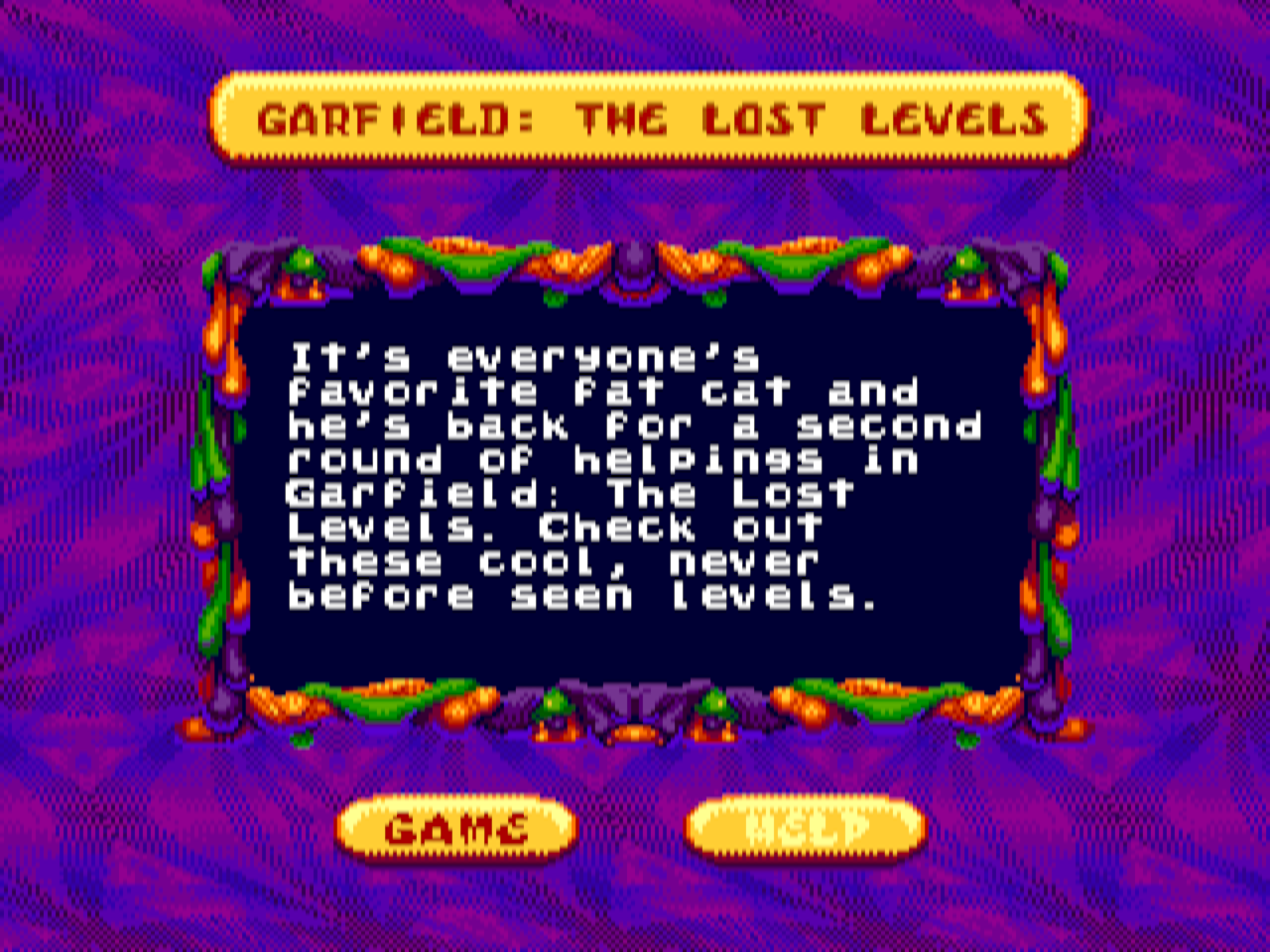
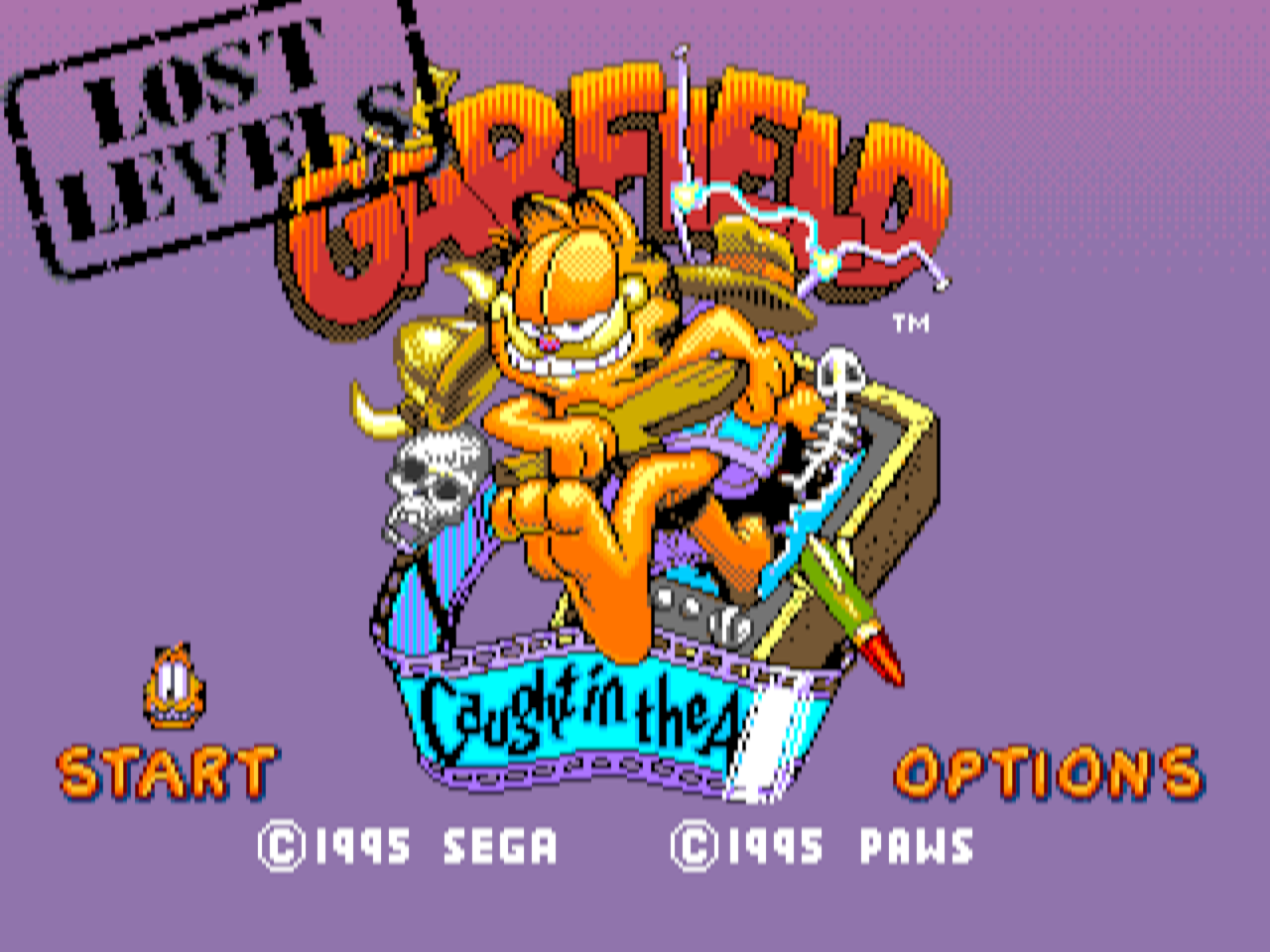
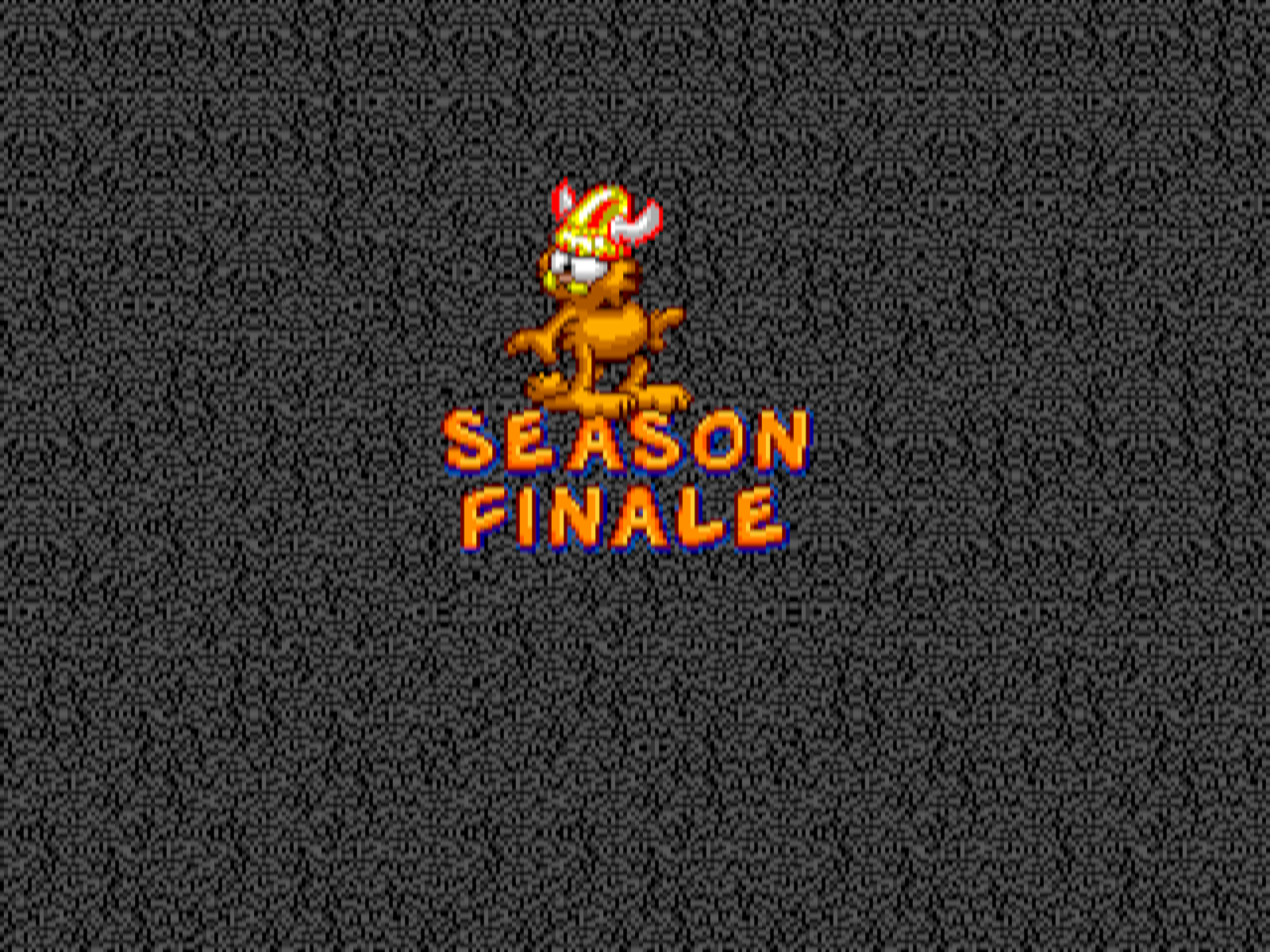
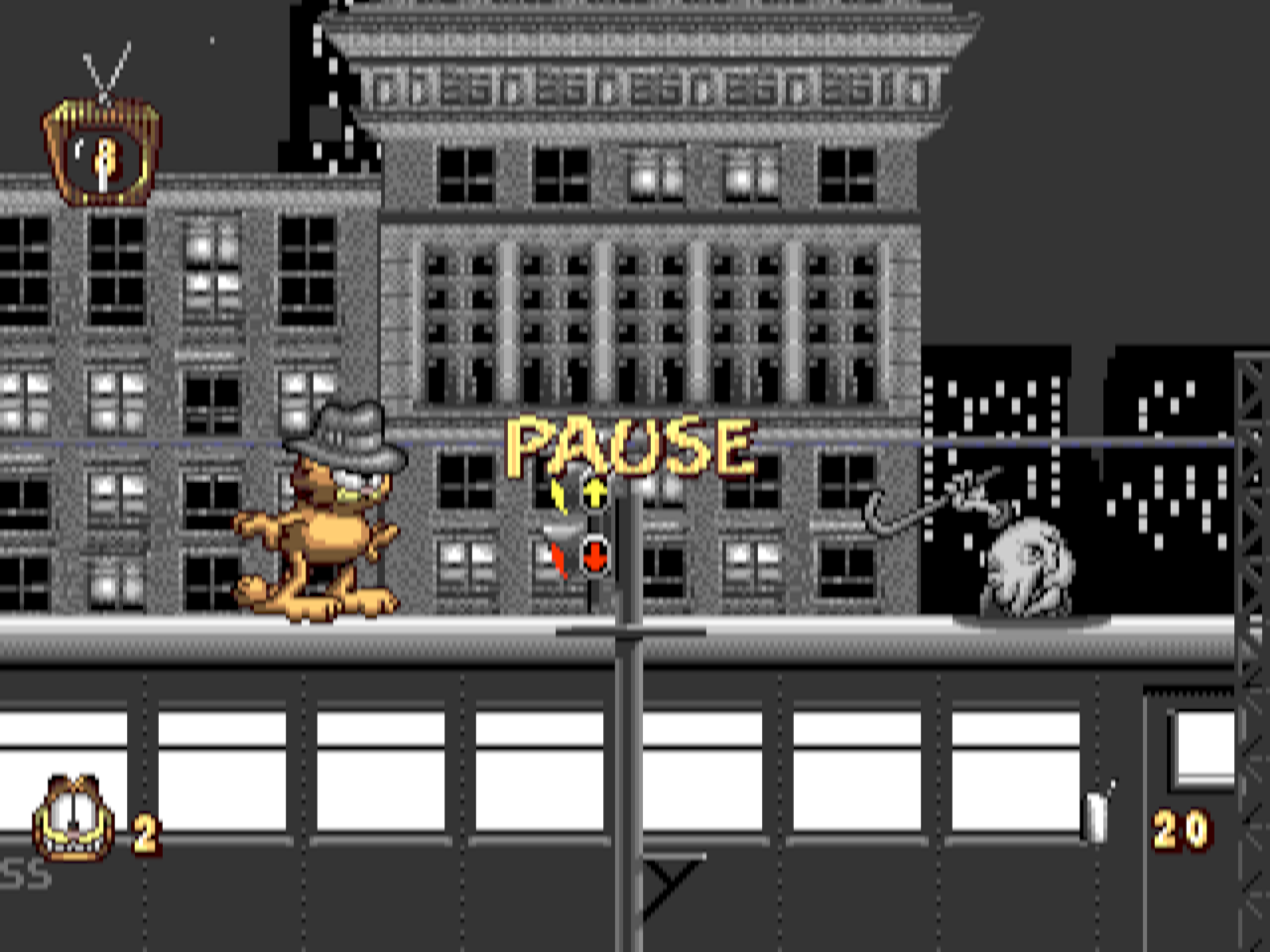
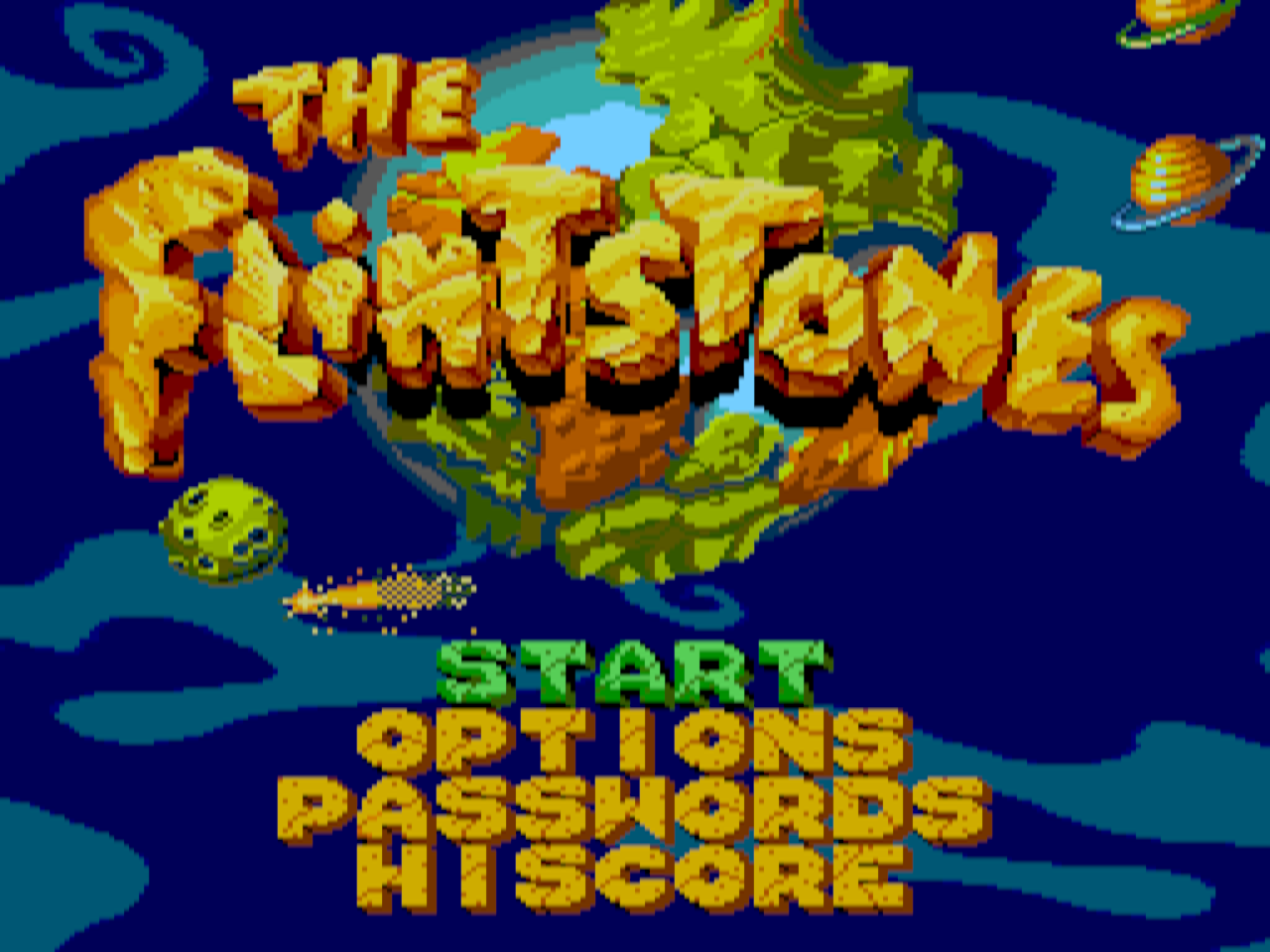
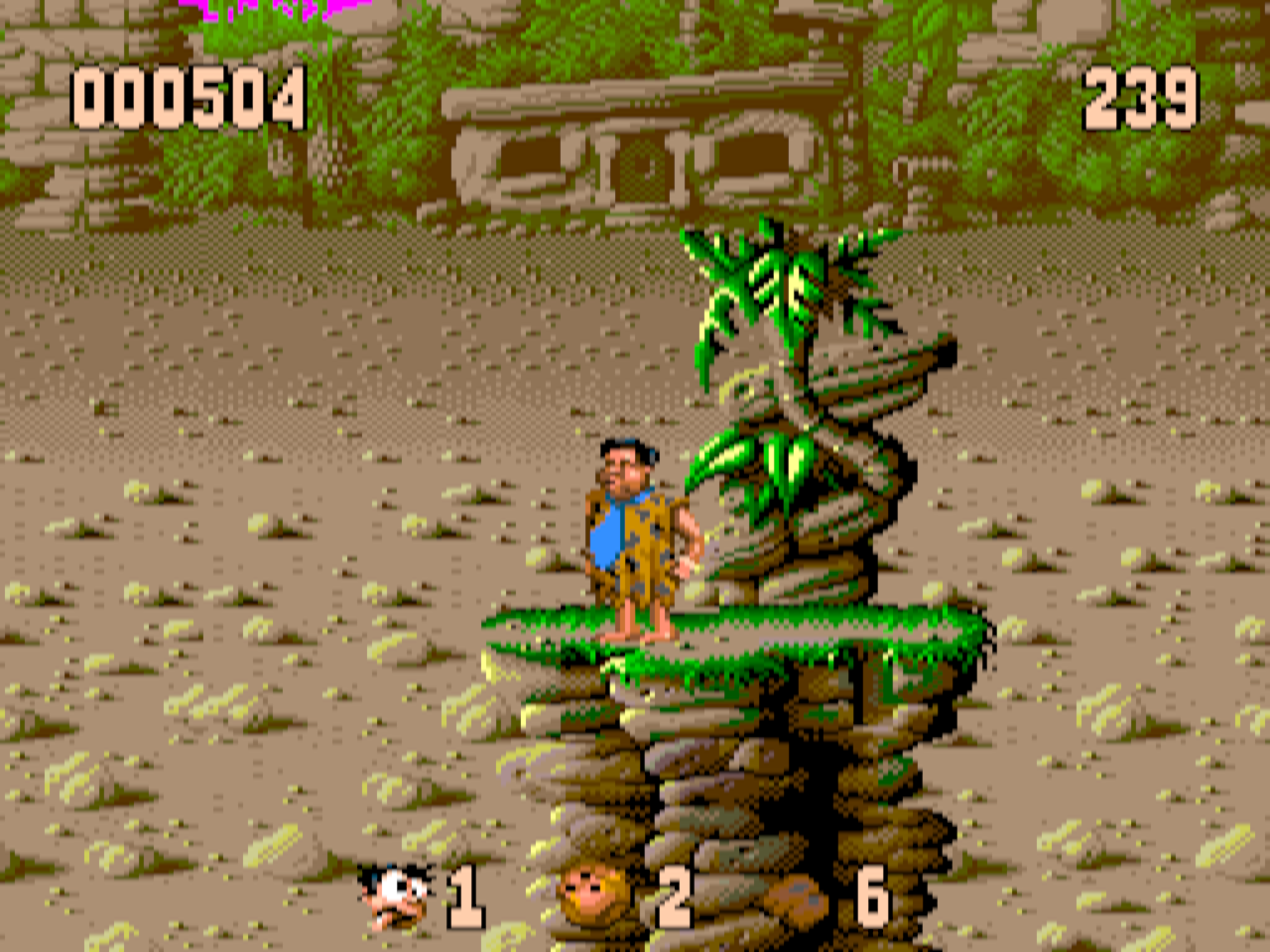
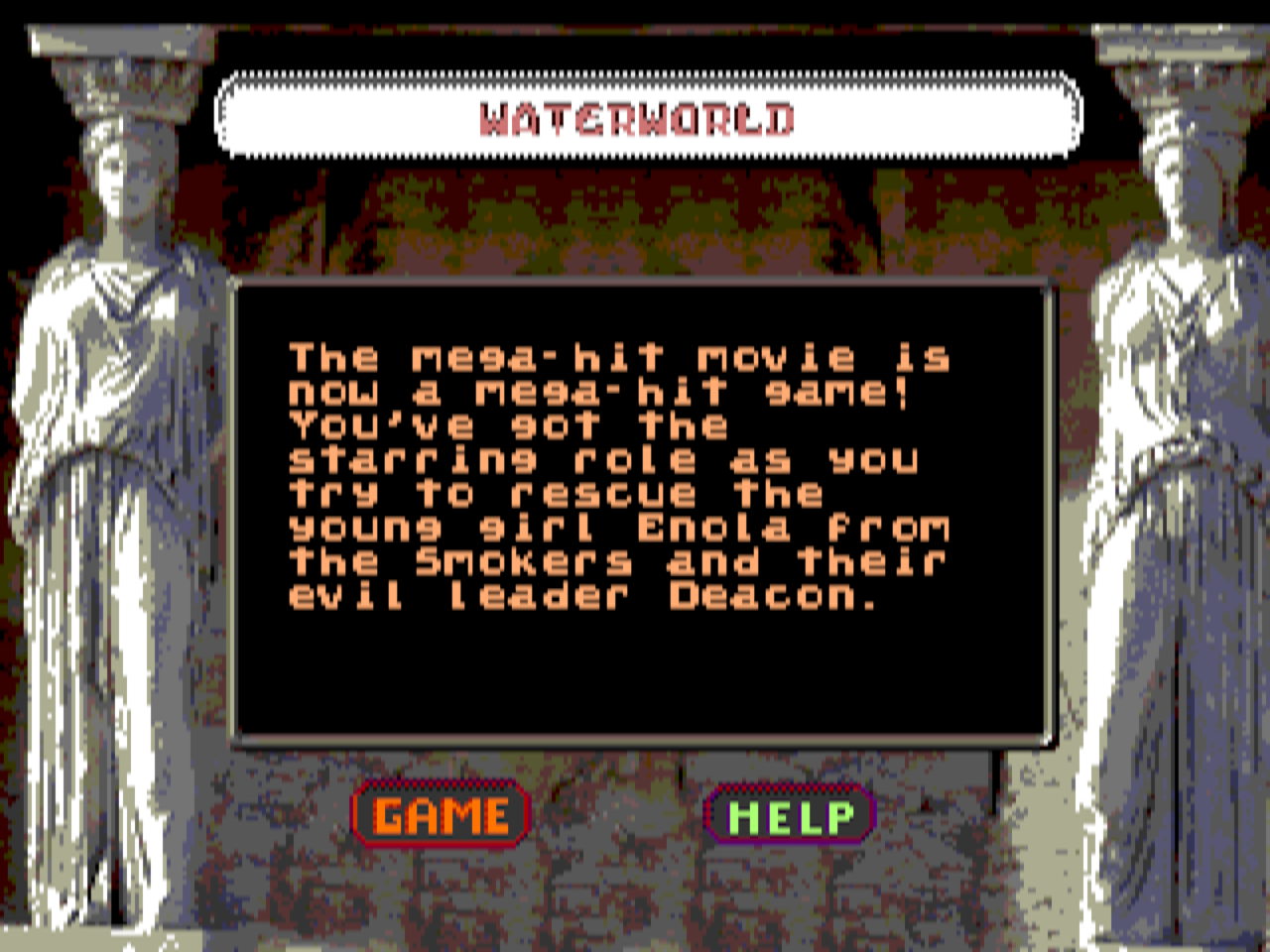
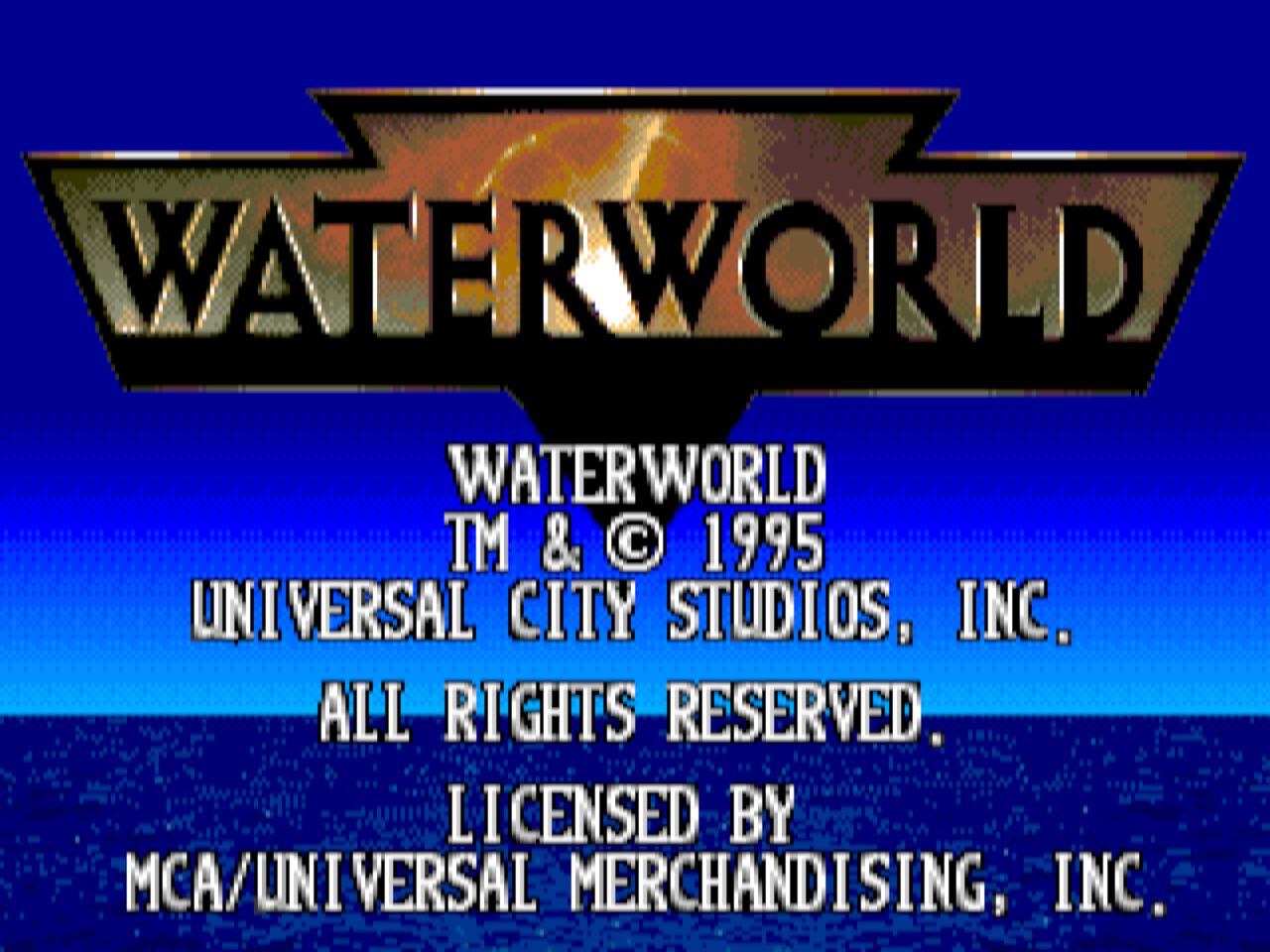
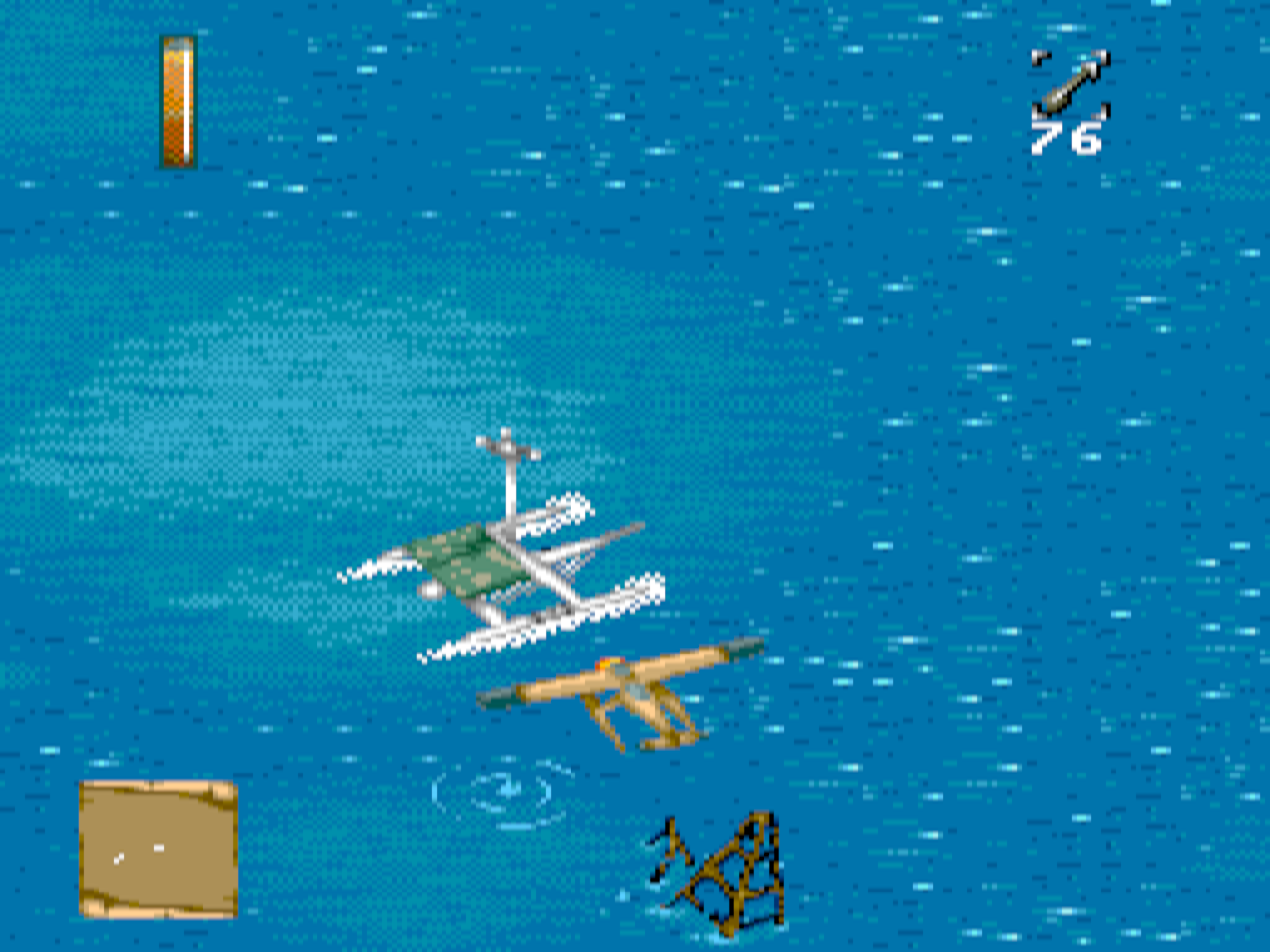
Among all this recovered data is 147 Genesis ROMs used on Sega Channel. That’s right. One Hundred And Forty-Seven. This includes Sega Channel exclusive games never before preserved like Waterworld, The Flintstones, and Garfield: Caught In The Act – The Lost Levels, and it is now available to download via Gaming Alexandria in partnership with the VGHF. That last game took a bit longer than we expected to be released after it was found and demoed just a year ago, but the wait is finally over. We hope you managed to resist kicking anyone off of any tables for a whole year.
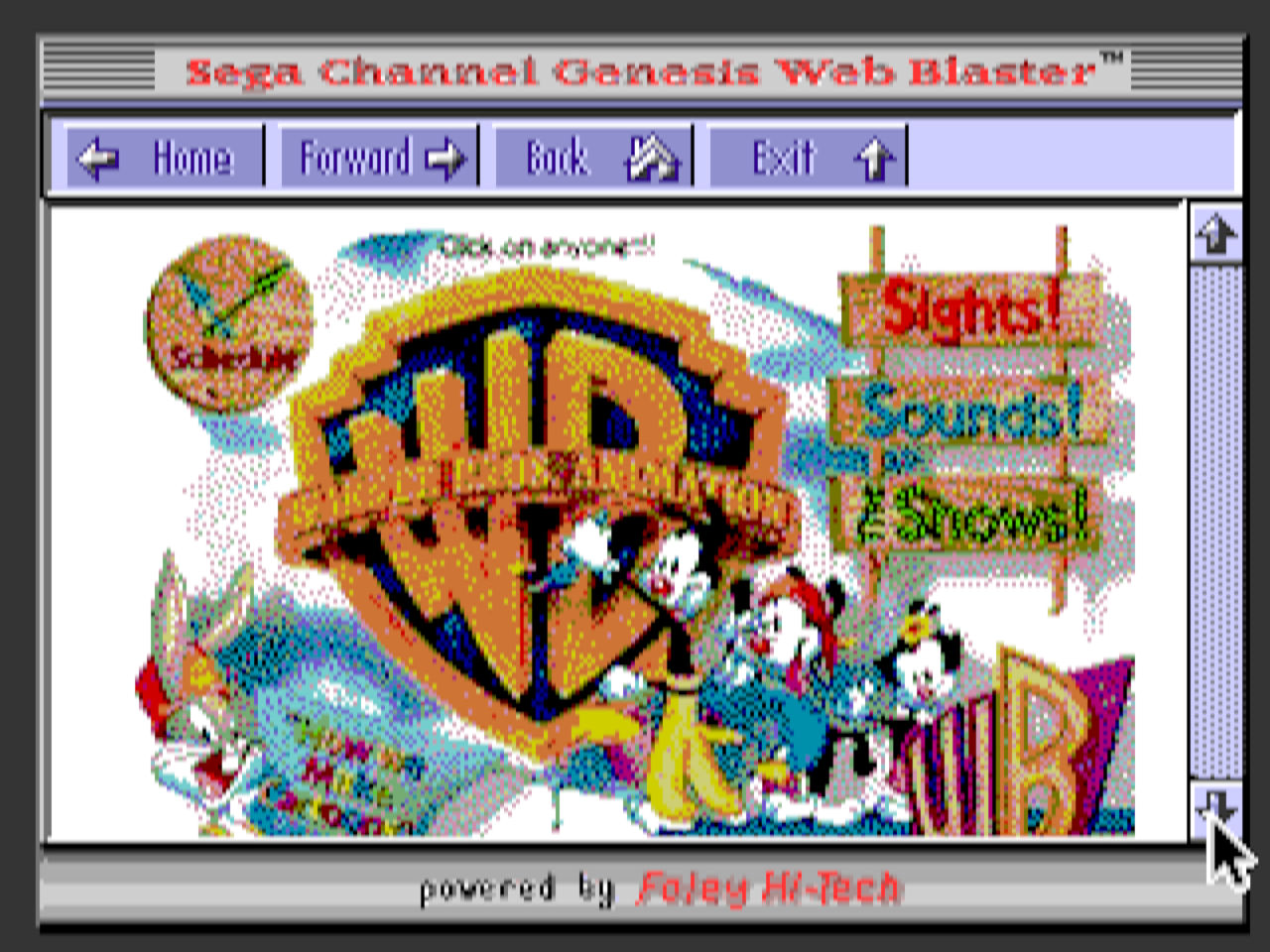
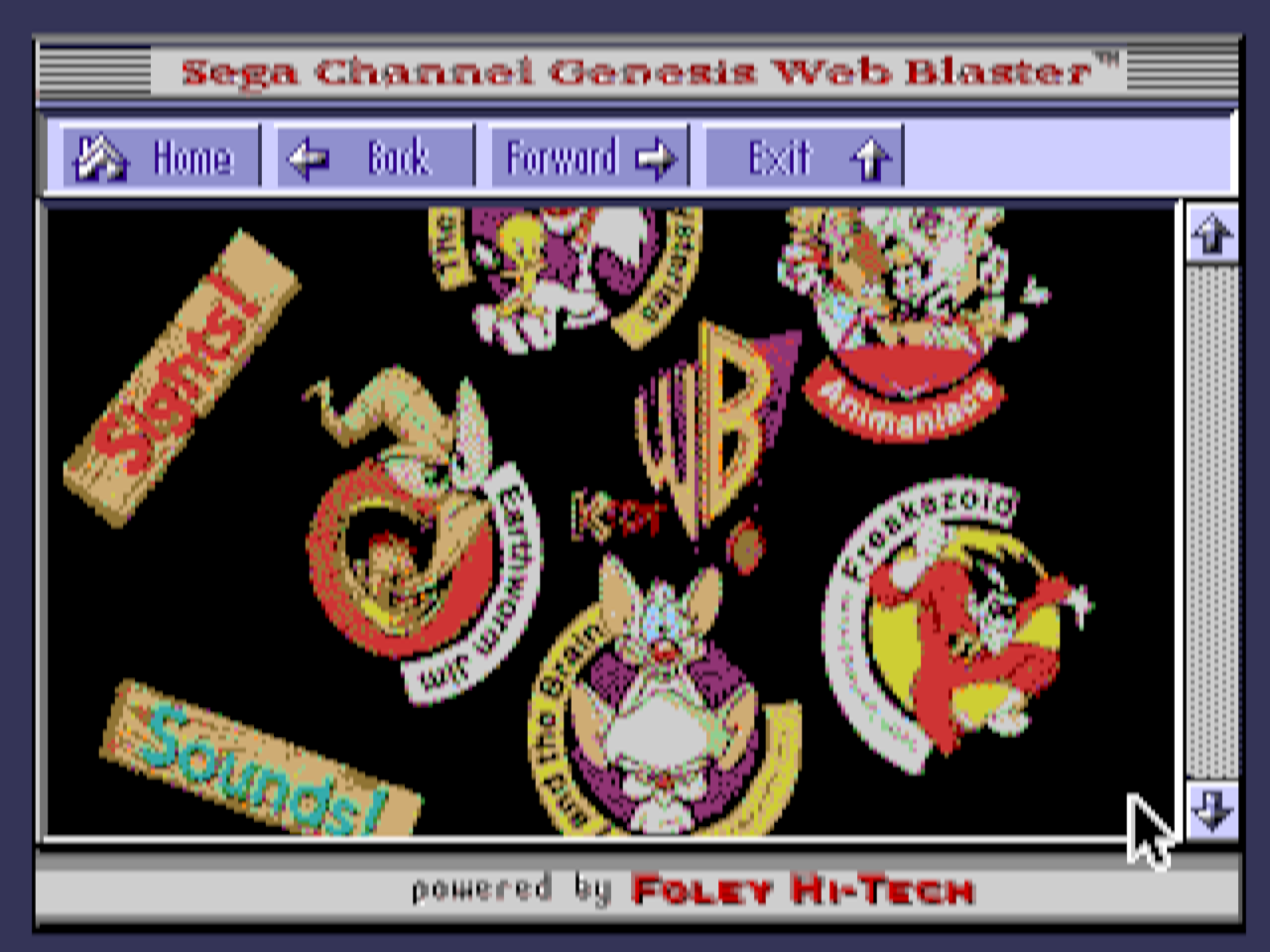
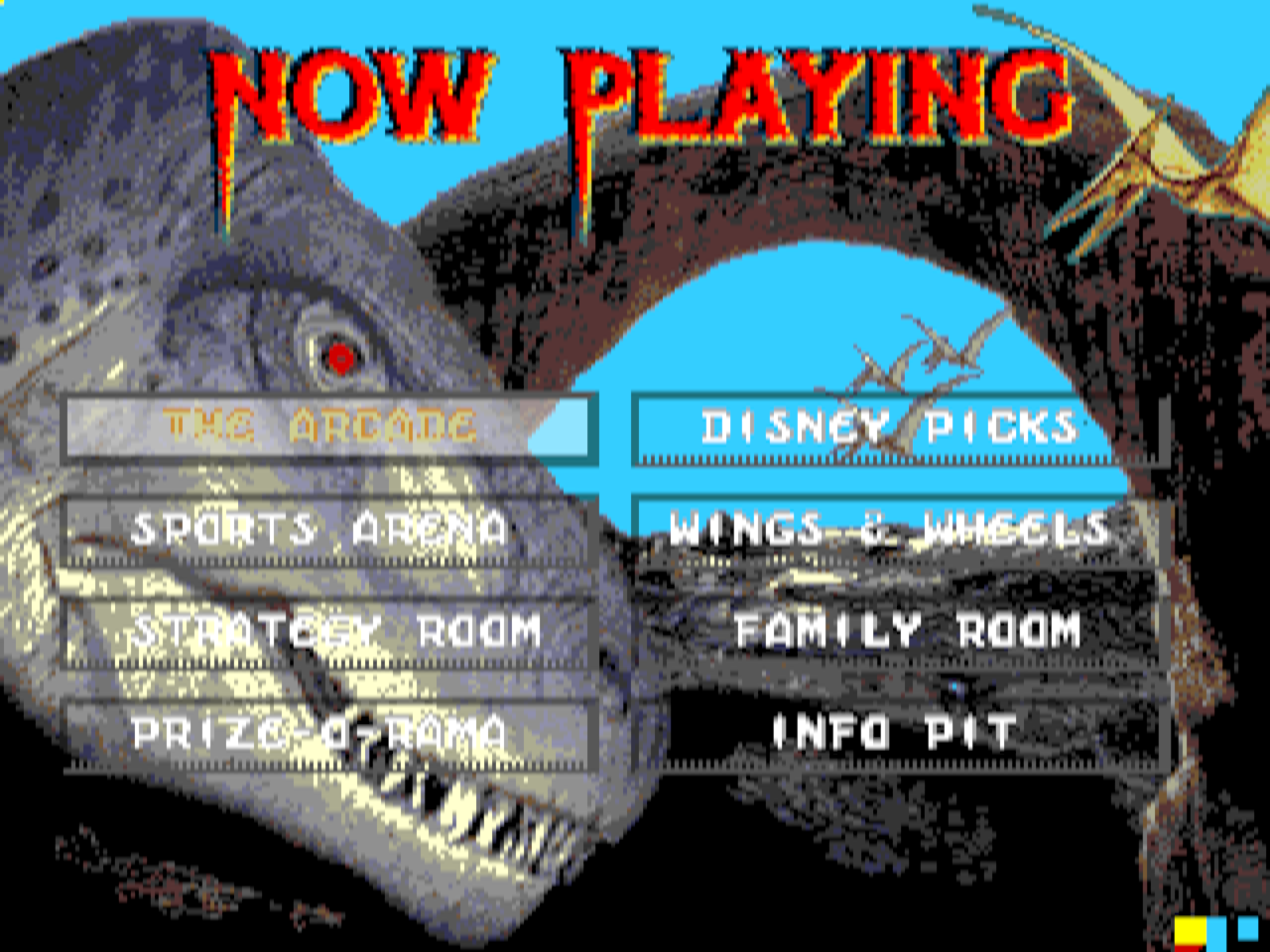
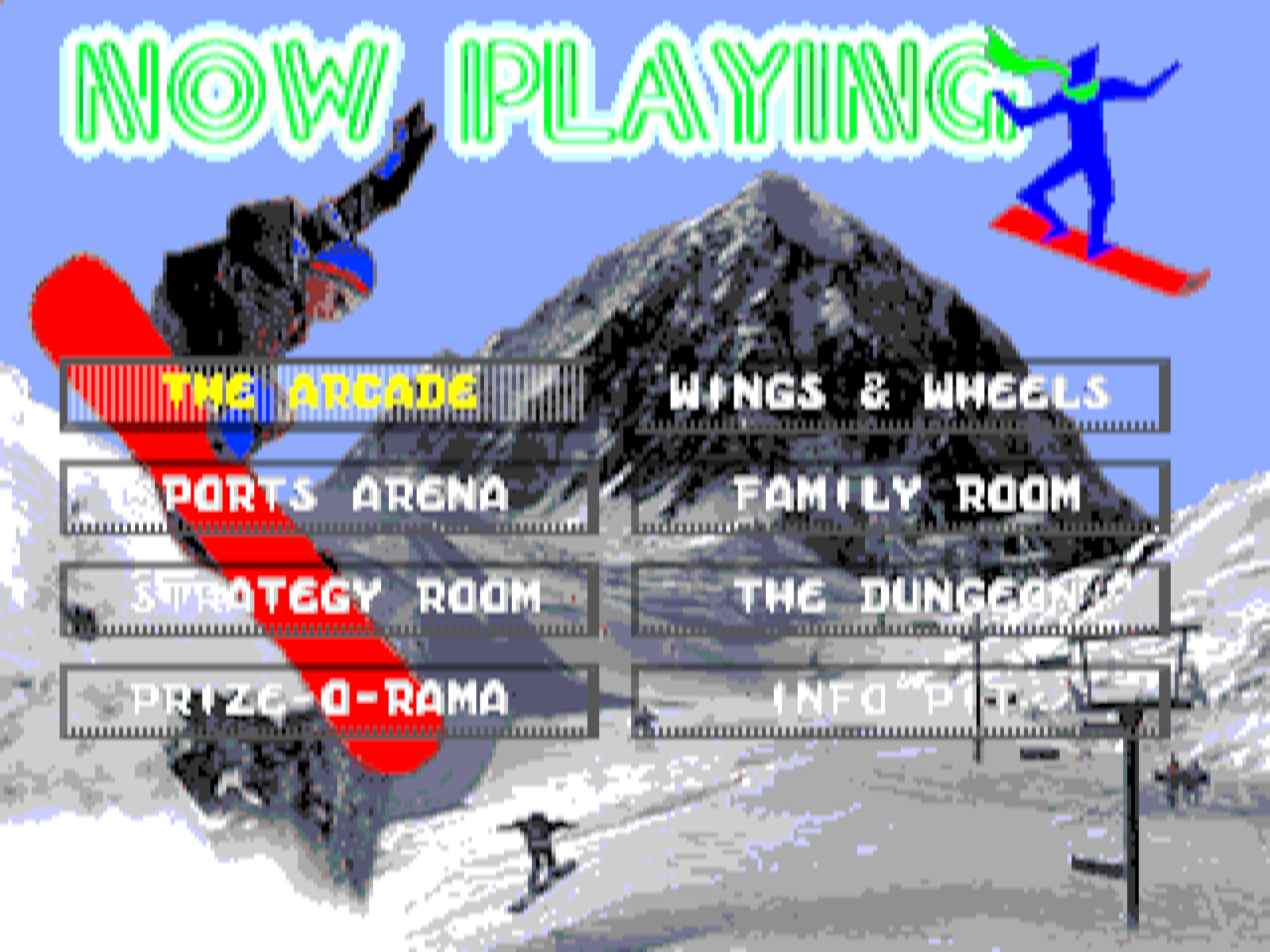
Besides just the games, there are also ROMs of Sega Channel menus, some previously archived and some not, some related test ROMs, and even a mock-up of a Genesis web browser planned for the service. You read that right. An honest-to-goodness Web Browser was planned for Genesis that would’ve ran through Sega Channel. There are also tons of advertisements for print, TV, and radio, internal planning documents, user data, fan art sent by subscribers, and a whole lot more for all to view freely.
What to see exactly what was found? Click right past the break and get hooked in.
Yesterday, on December 15th 2025, the VGHF premiered this video on their YouTube page featuring their library director, Phil Salvador, detailing everything that they have discovered and how all of it came into their possession. The video is about an hour long, so grab a drink and get comfortable. Otherwise, I’ll have it summed up below.
All the recovered materials were found thanks to two very important contributors. One was Sega Channel’s very own former vice president of programming Michael Shorrock, who happened across VGHF’s exhibit on interesting video games from outside the gaming industry at last year’s Game Developer’s Expo. At that booth, he stumbled across a preserved Broderbund programs brochure that had a picture of himself on it from when he worked there. He got to talking with representatives at VGHF at the show, where he revealed he had kept a ton of Sega Channel related material safe in his house since he had parted ways with Sega and was happy to share all of it.
The second contributor was a mysterious community member named Ray, henceforth christened “Sega Channel Guy”, who had taken it upon himself to contact other former employees of Sega Channel to get whatever saved material that they had held onto. He then shared everything he had gotten with VGHF for them to archive with their own expertise, resources, and connections. With Sega Channel Guy and Micheal Shorrock’s generously donated materials in hand, the VGHF spent a year scanning printed materials and recovering and uncompressing data from defunct data tapes and are now finally ready to show everything off. Everything was split off into a “Micheal Shorrock Collection” and a “Sega Channel Guy Collection”. The above video also goes into detail on what it took to actually recover all of that data.
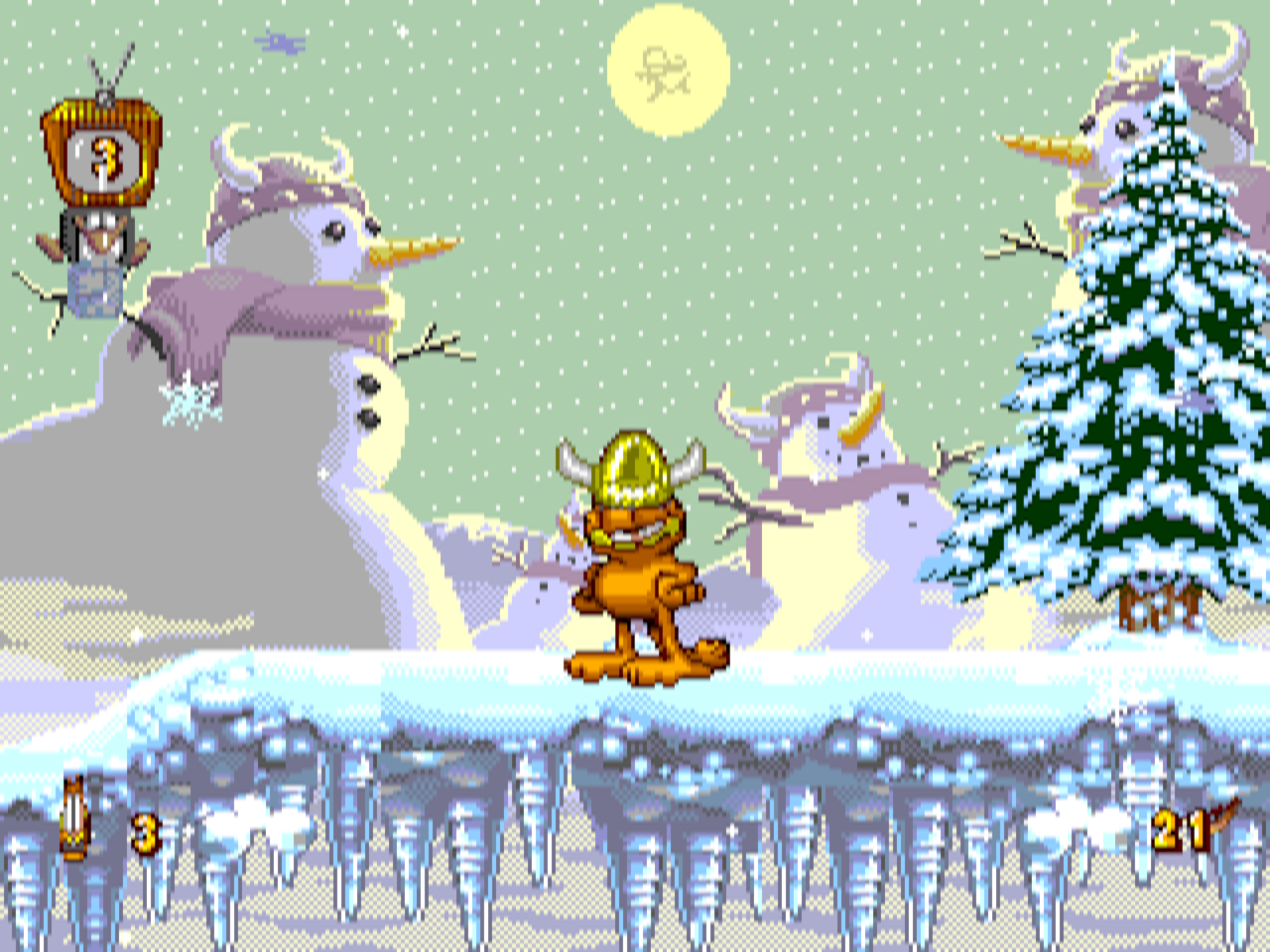
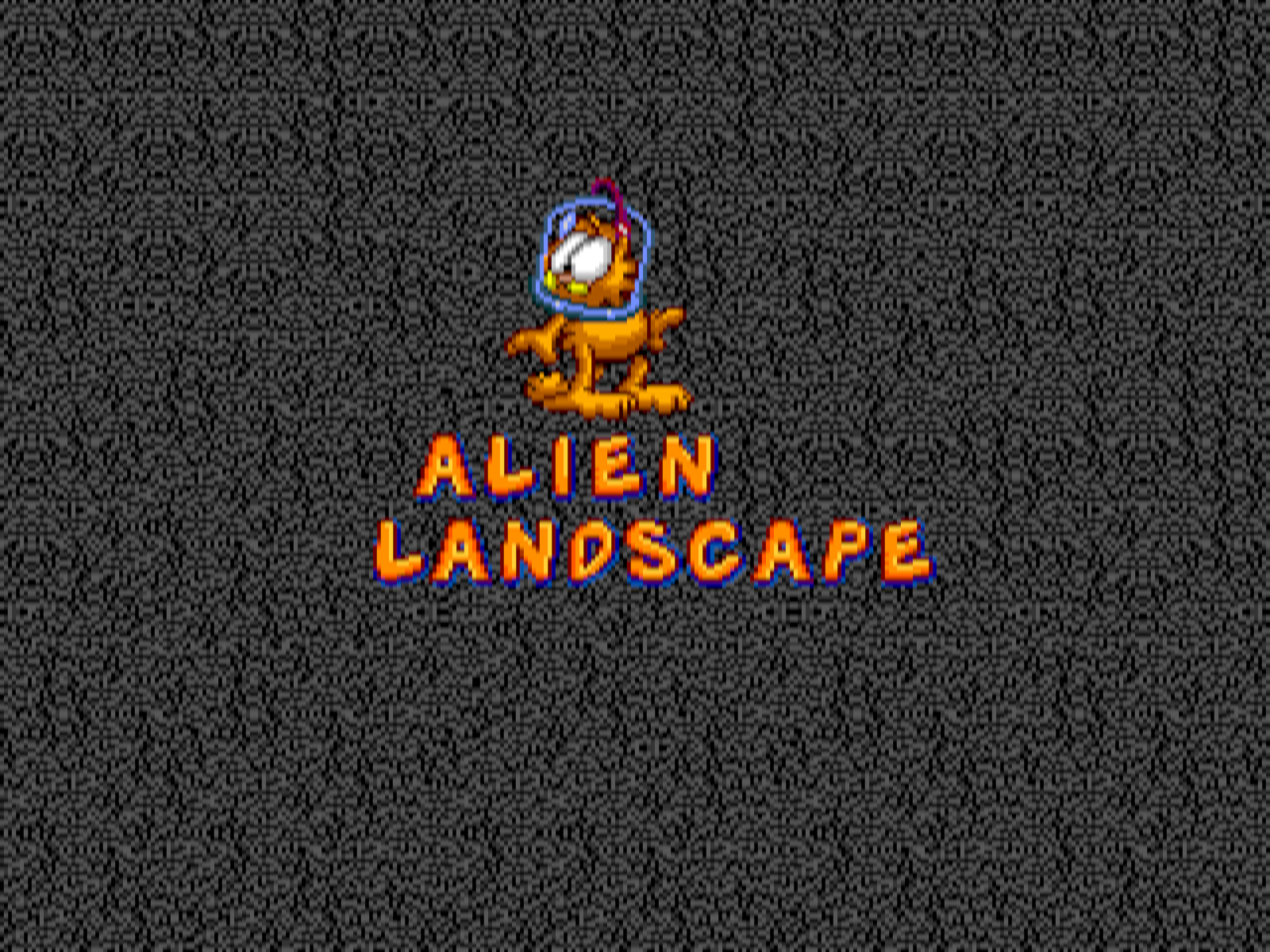
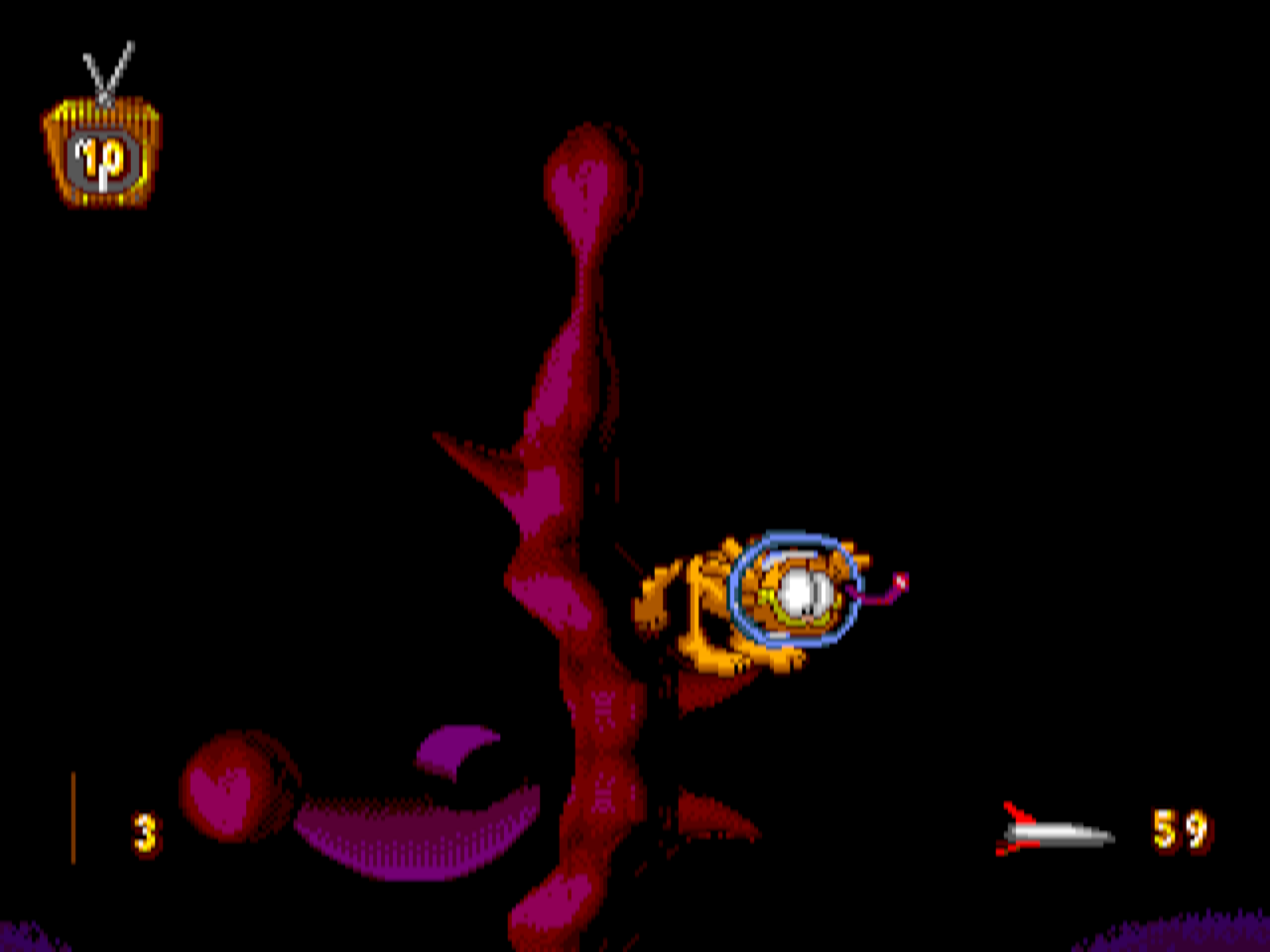
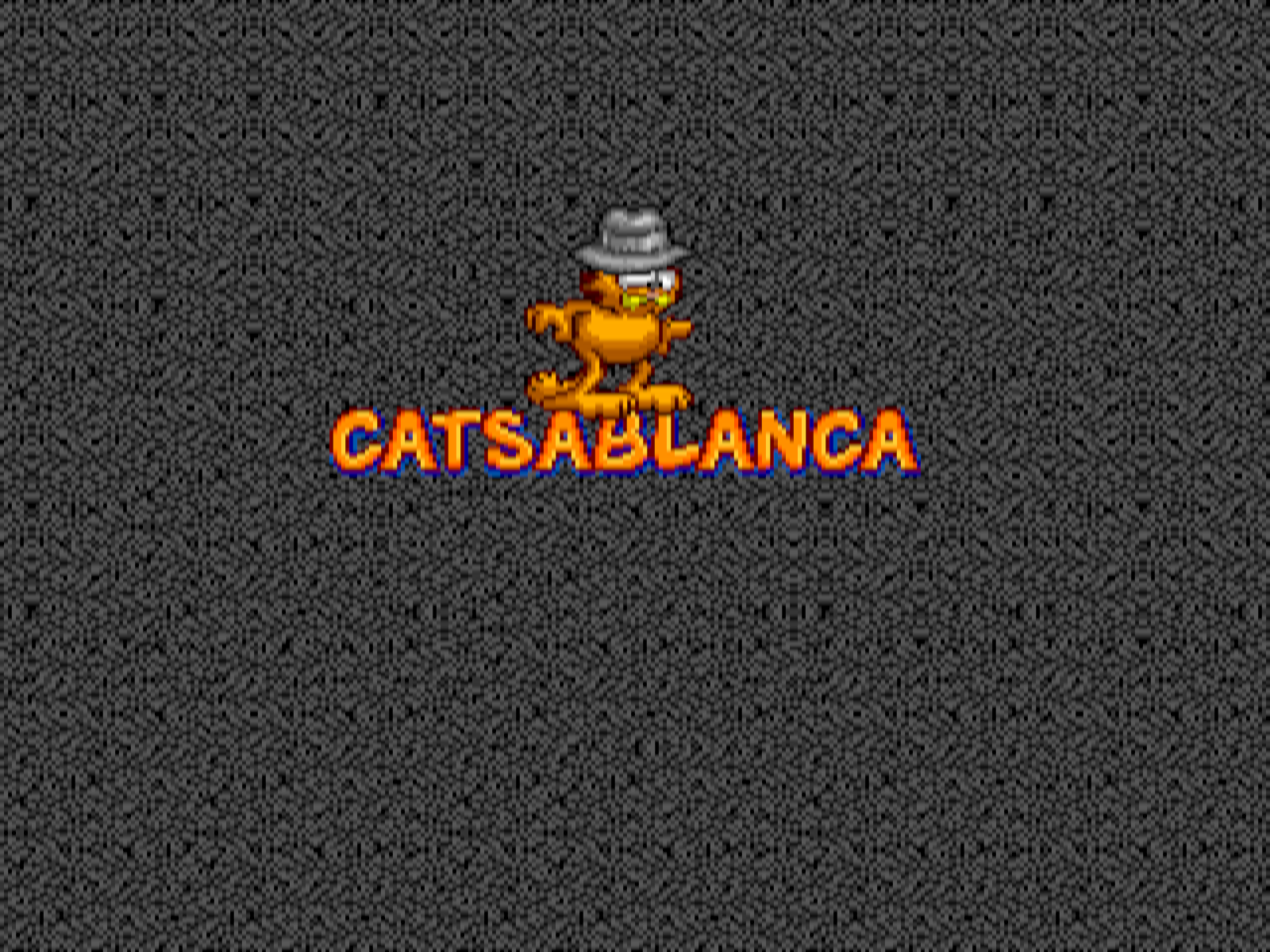
What’s likely the most exciting recovery for Sega fans would be the Sega Channel exclusive games that were never available on cartridges or for download until now. Most notable among these is Garfield: Caught In The Act – The Lost Levels. This was a playable collection of three different levels that were created for the retail version of Garfield: Caught In The Act, but were cut from the final game for various reasons. There’s also The Flintstones, the game based on the 1994 live action movie. This game was developed by Ocean Software and released to retail only on Super Nintendo, while the Genesis conversion languished on Sega Channel only. That also goes for Waterworld, another game from Ocean Software that’s also based on a movie and released to retail on Super Nintendo, while the Genesis version stayed on Sega Channel only.

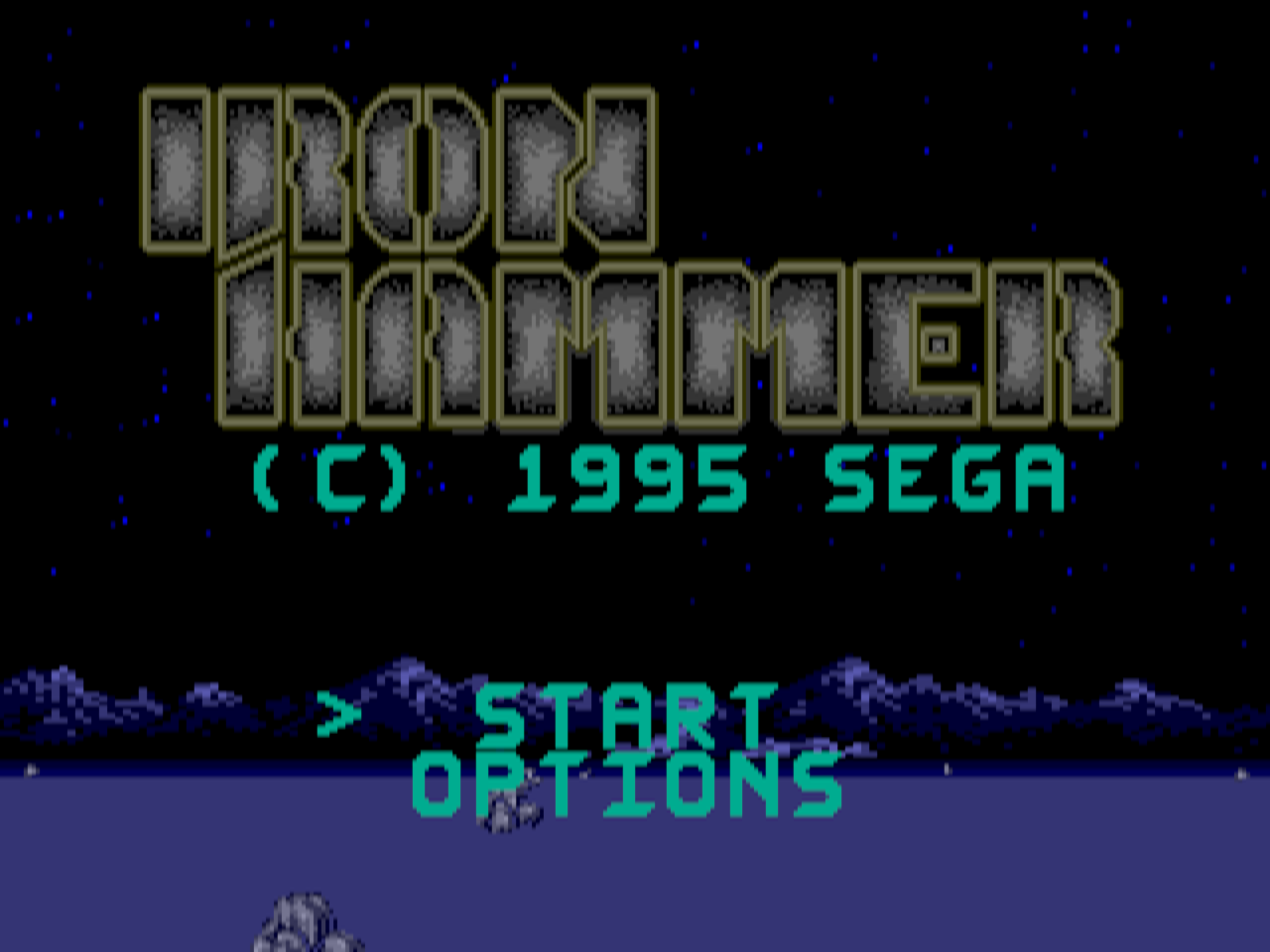
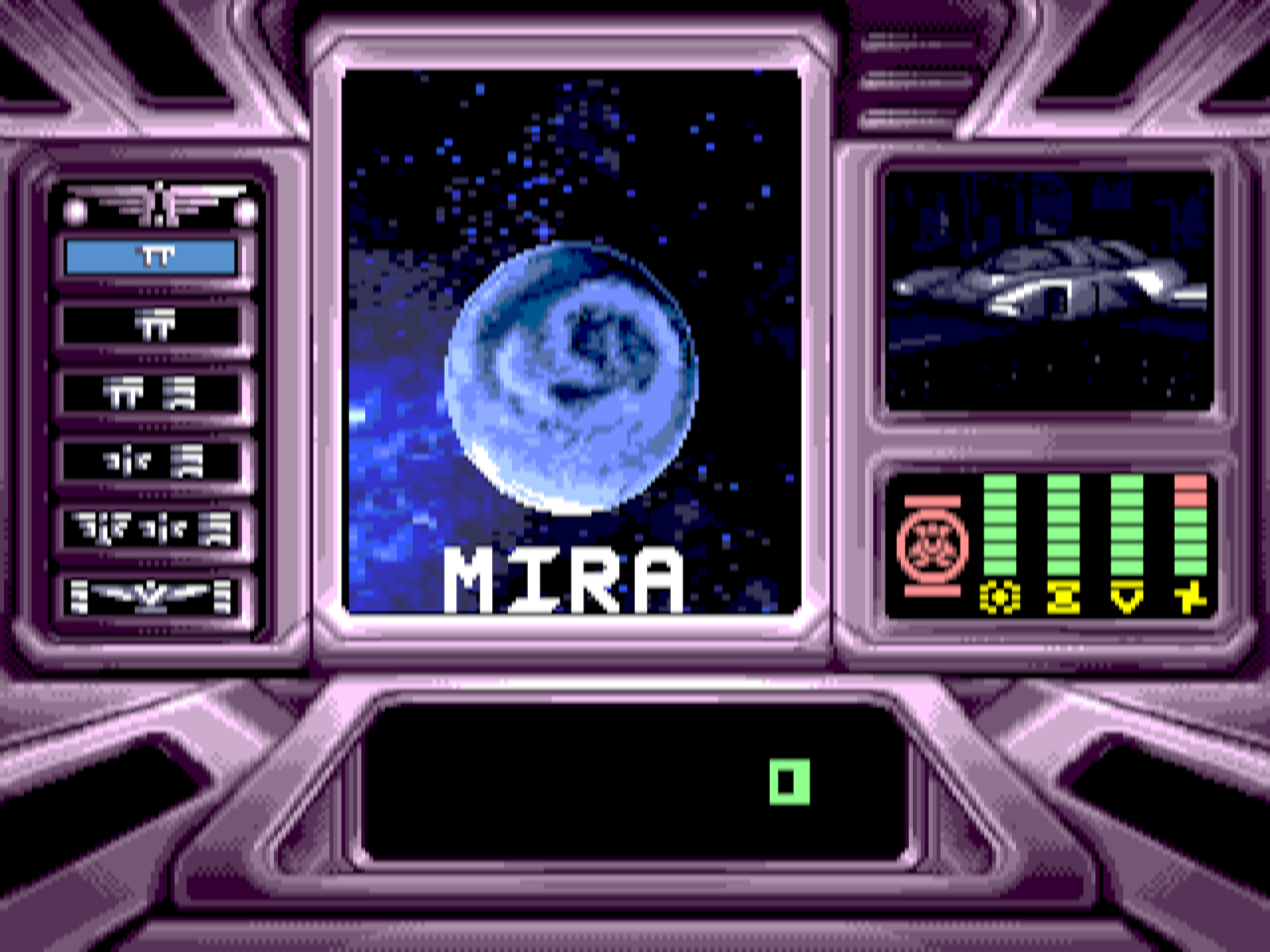
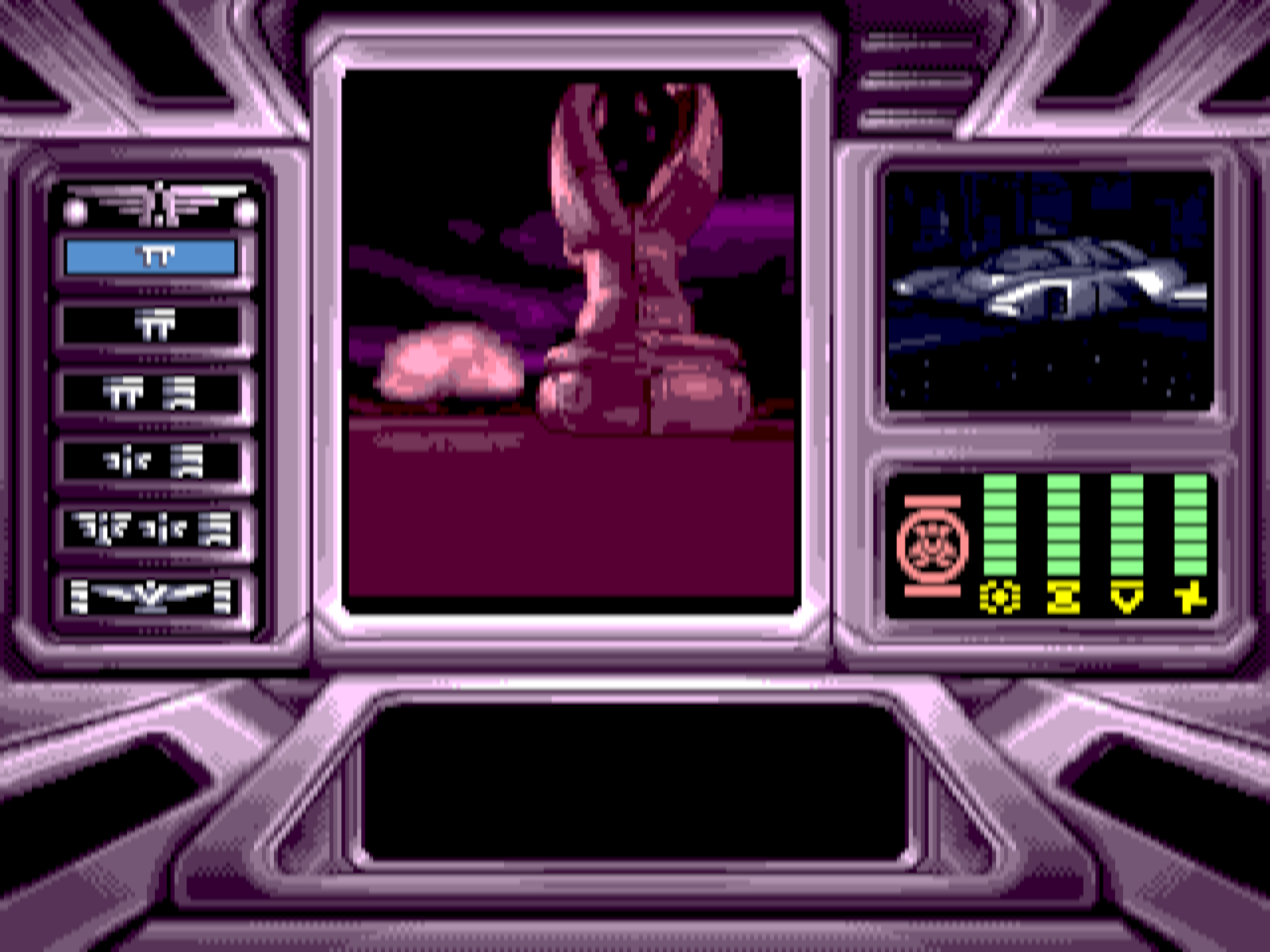
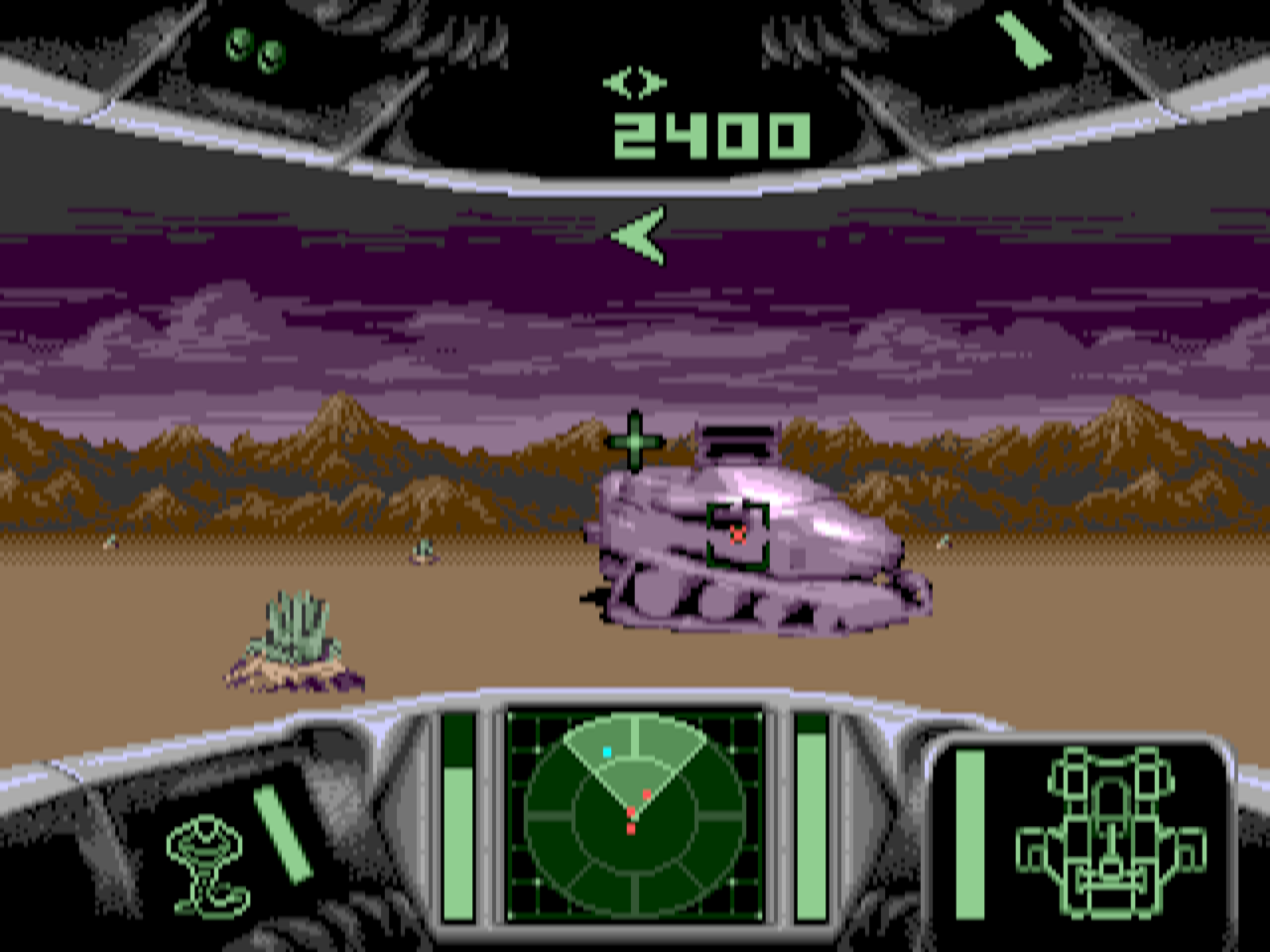
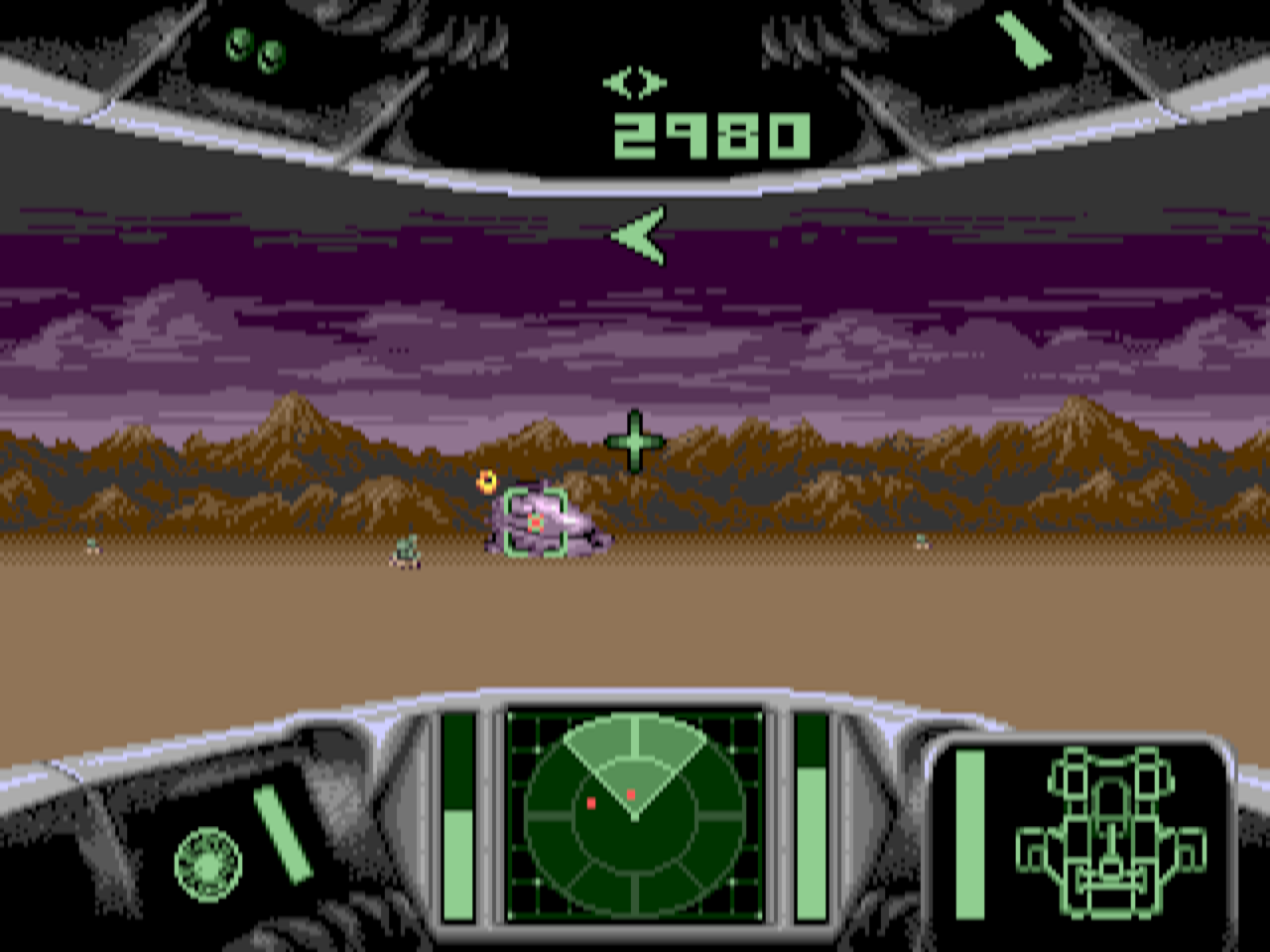
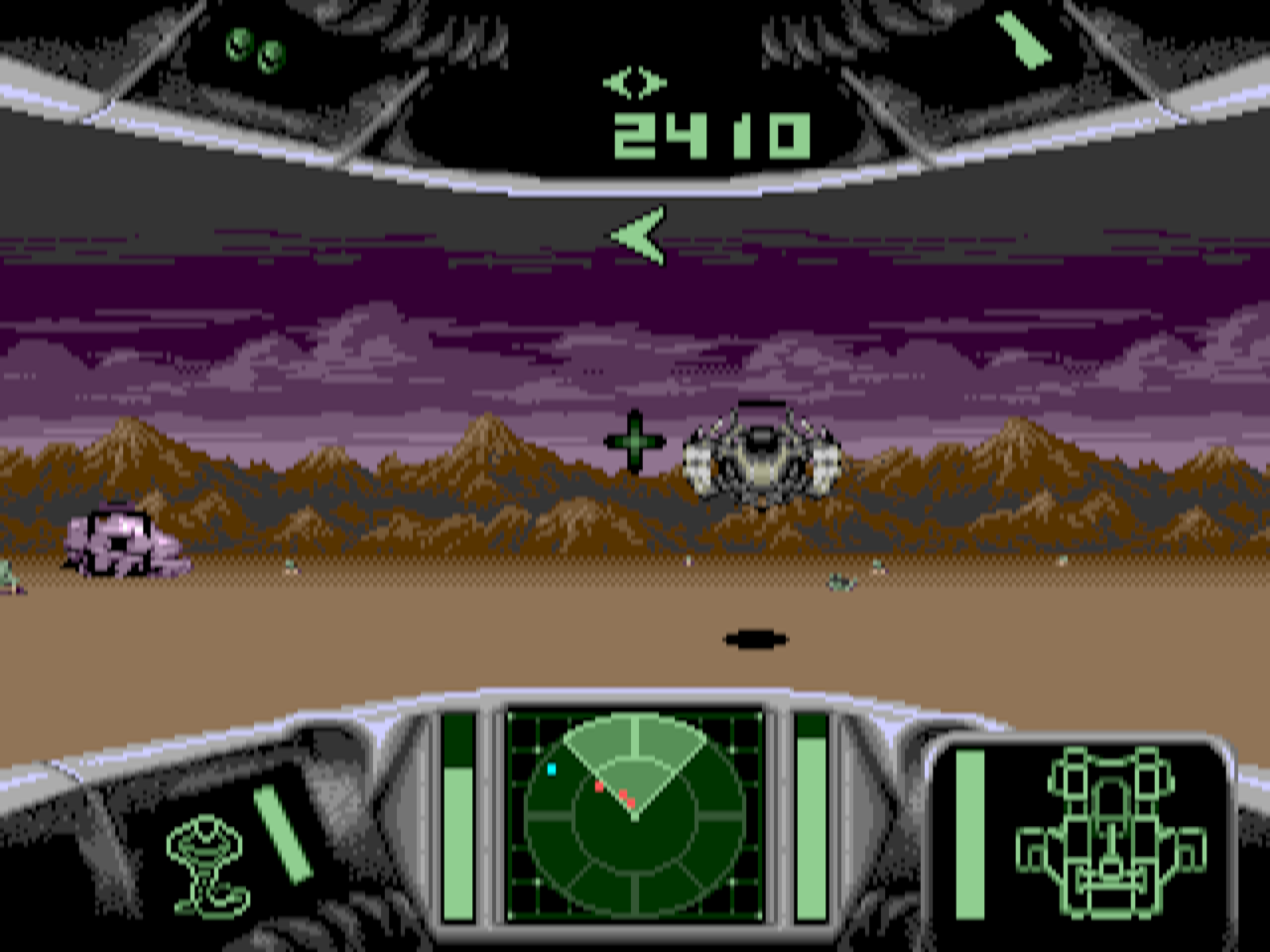
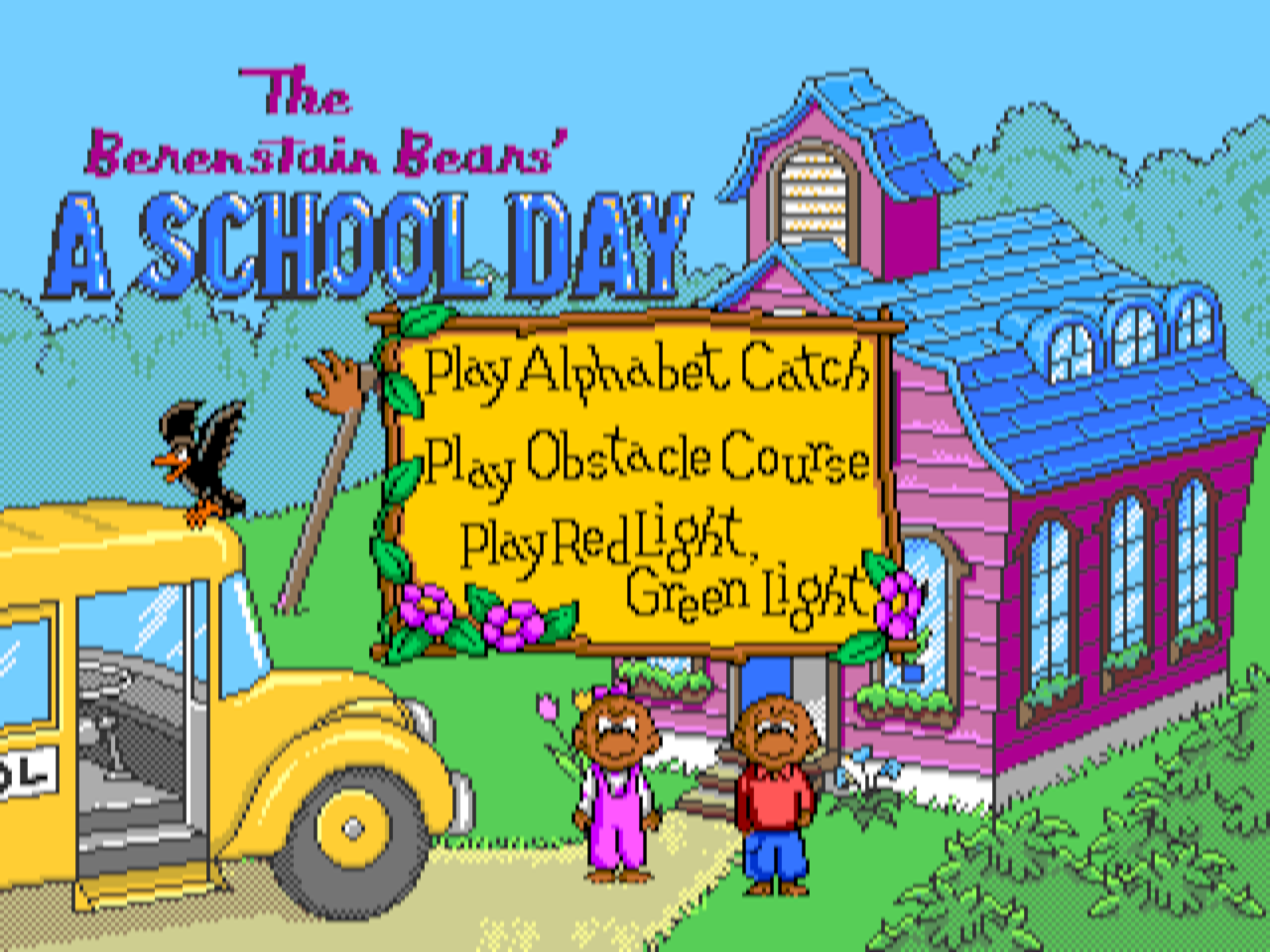
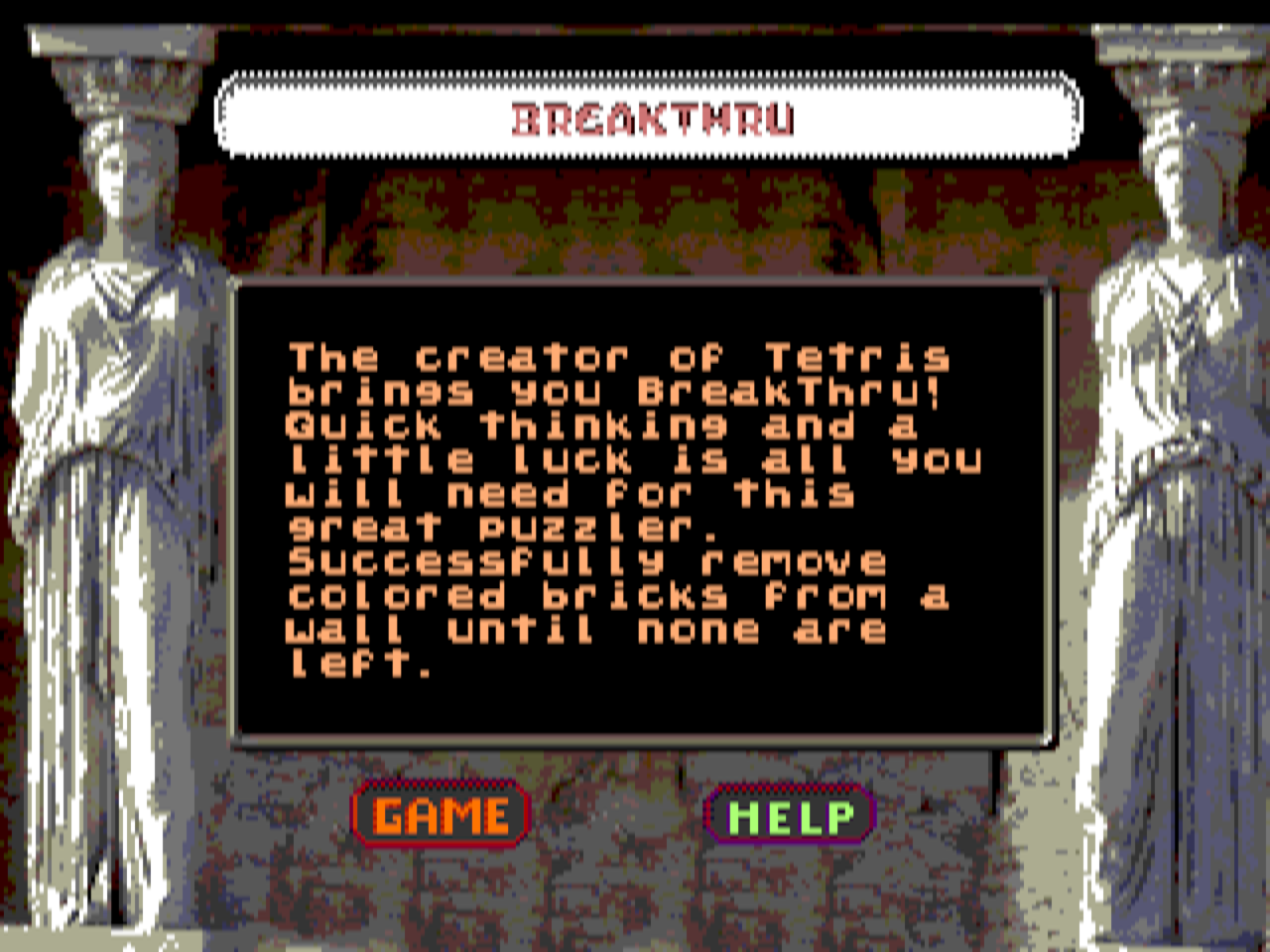
Among the Sega Channel exclusive games, there is also a demo of the Pico game The Berenstain Bears’: A School Day, which had three of its mini-games converted to work with Genesis controls, Breakthru, an obscure puzzle game that was advertised as being designed by Tetris creator Alexey Pajitnov and had its retail Genesis release cancelled, and Iron Hammer, a 3D first-person shooter originally designed for the cancelled Sega VR headset, then retooled as a standard Genesis game and released exclusively on Sega Channel.
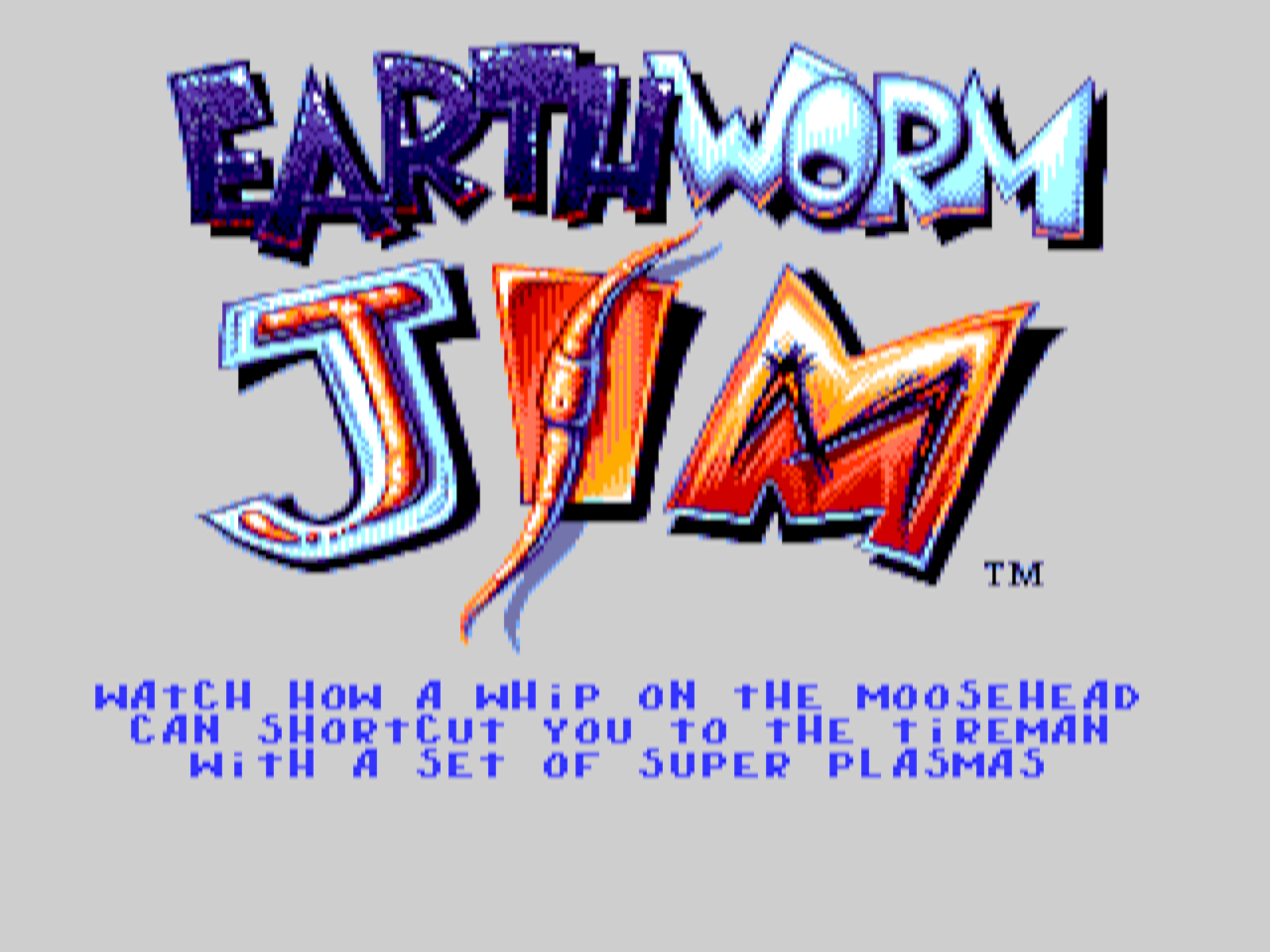
Earthworm Jim also had a series of video hint ROMs that could not be played at all. They would instead show un-interactive gameplay, in which it shows you several tips and tricks, such as how to beat certain bosses or find secret areas. The Earthworm Jim “Race To Win” version of the game was also found and preserved. It is the same as the retail release, but it includes a secret area hidden somewhere in the game that displays a special code. This was made for the Race To Win contest that was held through Sega Channel. Whichever subscriber had found this secret code and sent it back to Sega Channel before anyone else won some fabulous prizes. Now you can try and find that secret yourself for simple bragging rights. (Whoever can post the code in the comments below before anyone else will win a good day tomorrow)
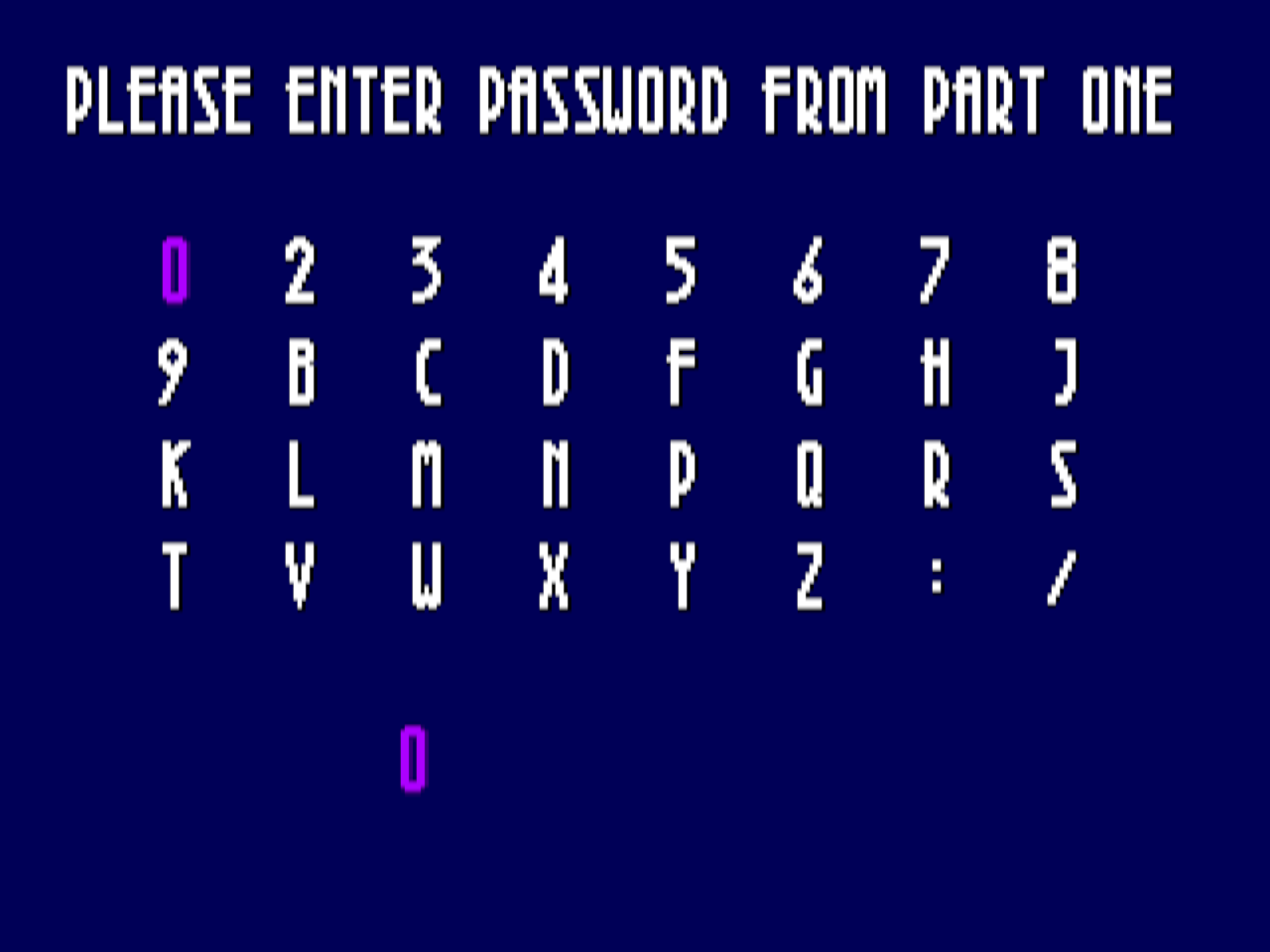
There were also plenty of games that had released to retail, but they were all changed in some way for their Sega Channel releases. The games that went through the biggest changes were the “special editions” of certain games, which in many cases, were scaled down in some way because their file sizes in their original forms were too big for Sega Channel’s broadcast limitations. Some games, like Sonic 3D Blast and The Lost World: Jurassic Park, had to be split into two different ROMs, with the second one asking you for a password before you could continue where part one left off. It’s similar to some disc-based games for later consoles, such as Panzer Dragoon Saga or Skies of Arcadia. where half of the game was on one disc, and once you had gotten through that entire first half, the game would then ask you to insert the second disc in order to see the rest of the game through.

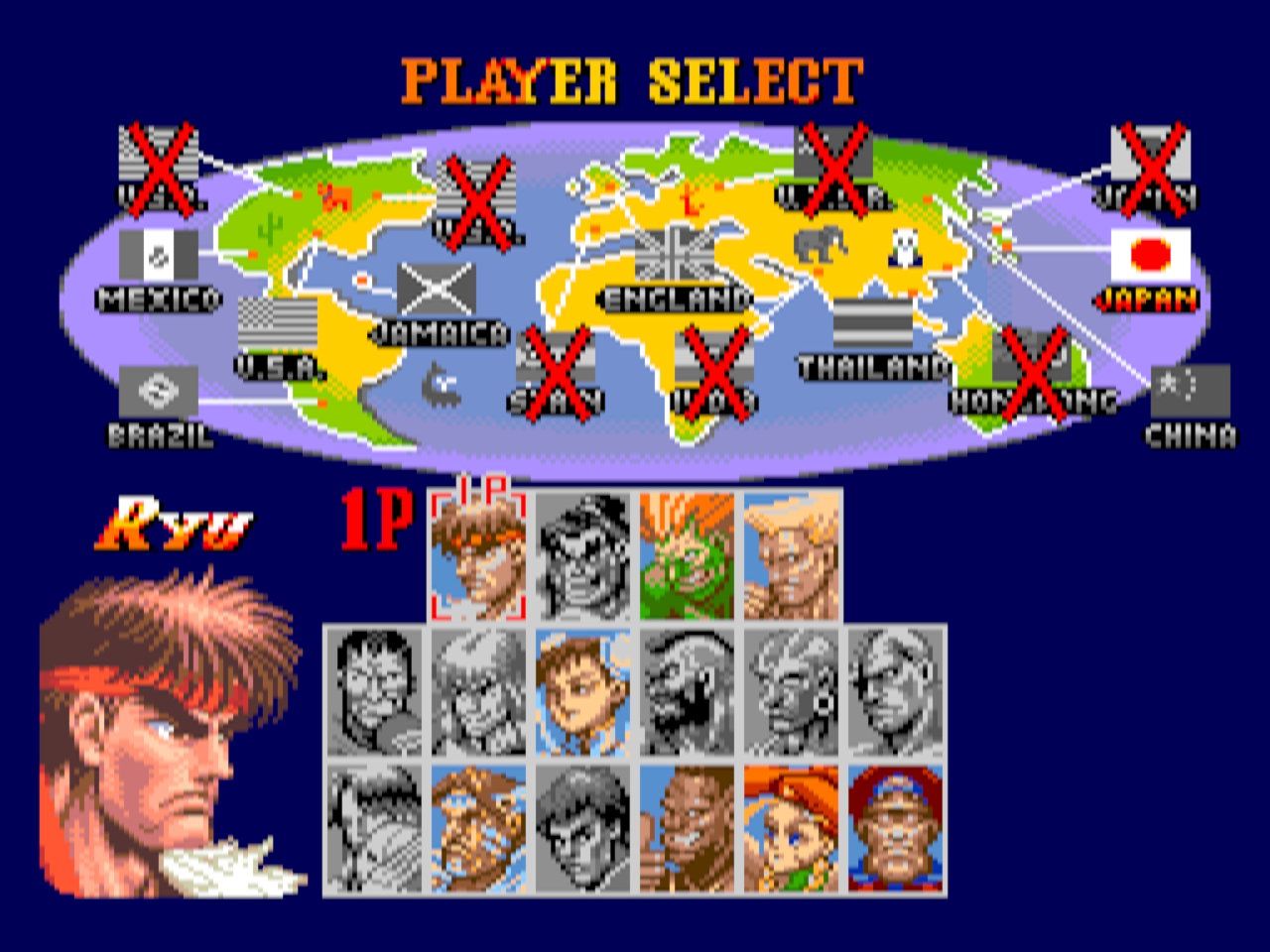
Two fighting games from later in the Genesis’s life, Mortal Kombat 3, and Virtua Fighter 2, were also split into two separate ROMs each for their Sega Channel release. In this case, half of each games’ characters were accessible in one ROM while the other half was only accessible in the other, making certain match-ups impossible in these Sega Channel conversions. The Sega Channel version of Super Street Fighter II: The New Challengers, was not split into two different ROMs. Instead, it just left half of the characters and their stages completely unavailable. This is the only version of Street Fighter II in which you cannot play as Ken, Zangief, E. Honda, or Dhalsim, as weird as that sounds.
There are also some game prototypes that were not made public through Sega Channel, but were sent to Sega for approval to be showcased on the service and yet never were, including a Popeye game, a Yogi Bear game, and a never before seen prototype of Light Crusader, the only game among these prototypes to make it to both Sega Channel and retail. These have also been archived all the same.
A few other games were found that are pretty much the same as their widely available retail releases beyond minimal differences. A couple of these games, including Super Hang-On, Quackshot Starring Donald Duck, and Wacky Worlds Creativity Studio just have a line changed in their headers. Battle Frenzy and Power Drive, two European-exclusive games only available in North America through Sega Channel, have lines in their hex data denominating them as official US releases, though they may still be coded for PAL television standards. A few others might have more significant changes, but those changes, or whether or not there are any, are unknown. For example, the ROM for Pulseman that was found was dated to be released a few months before the actual release date in Japan in its hex data, meaning there are likely some minor bugs that were later dealt with just in time for production.
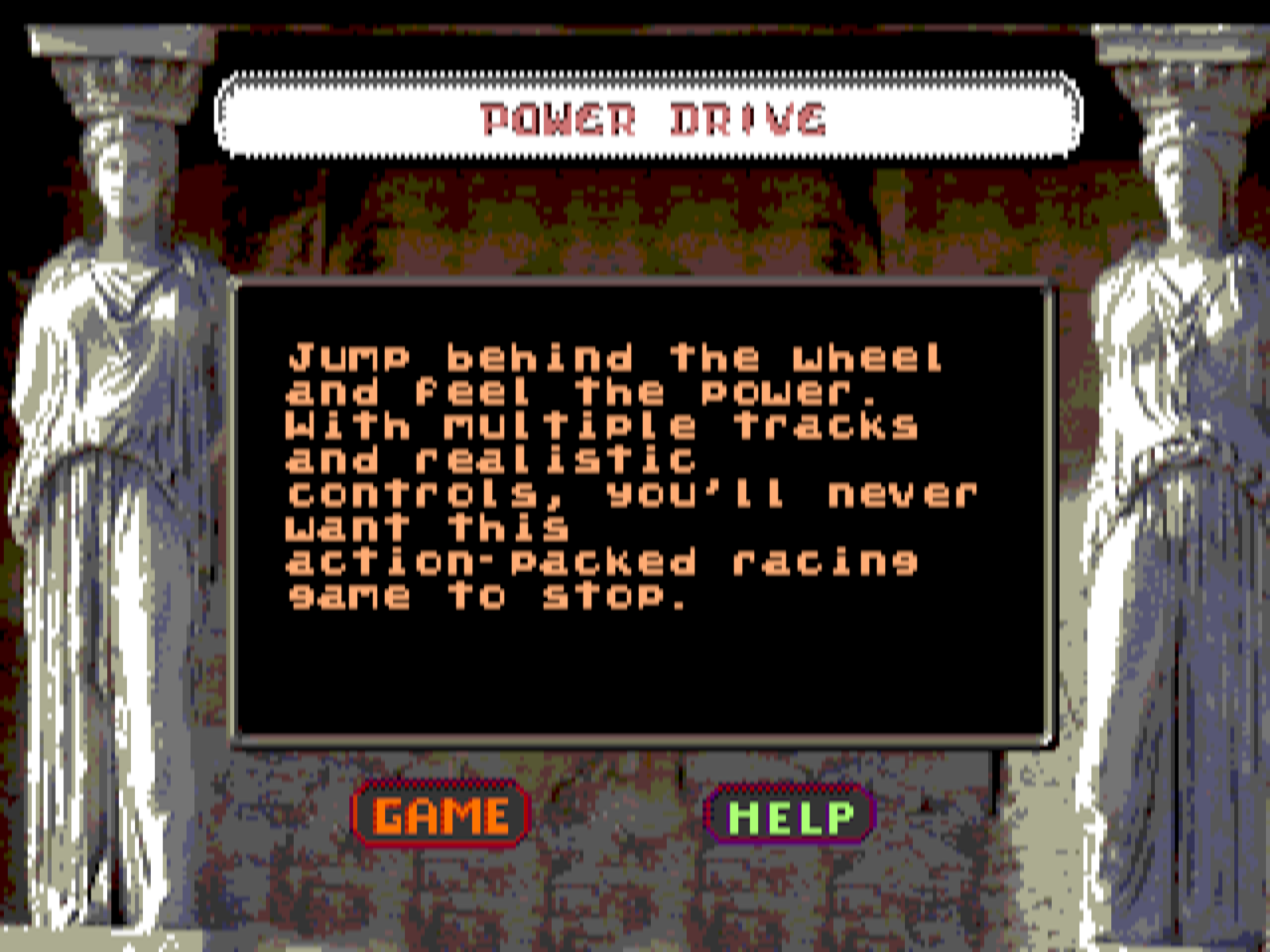
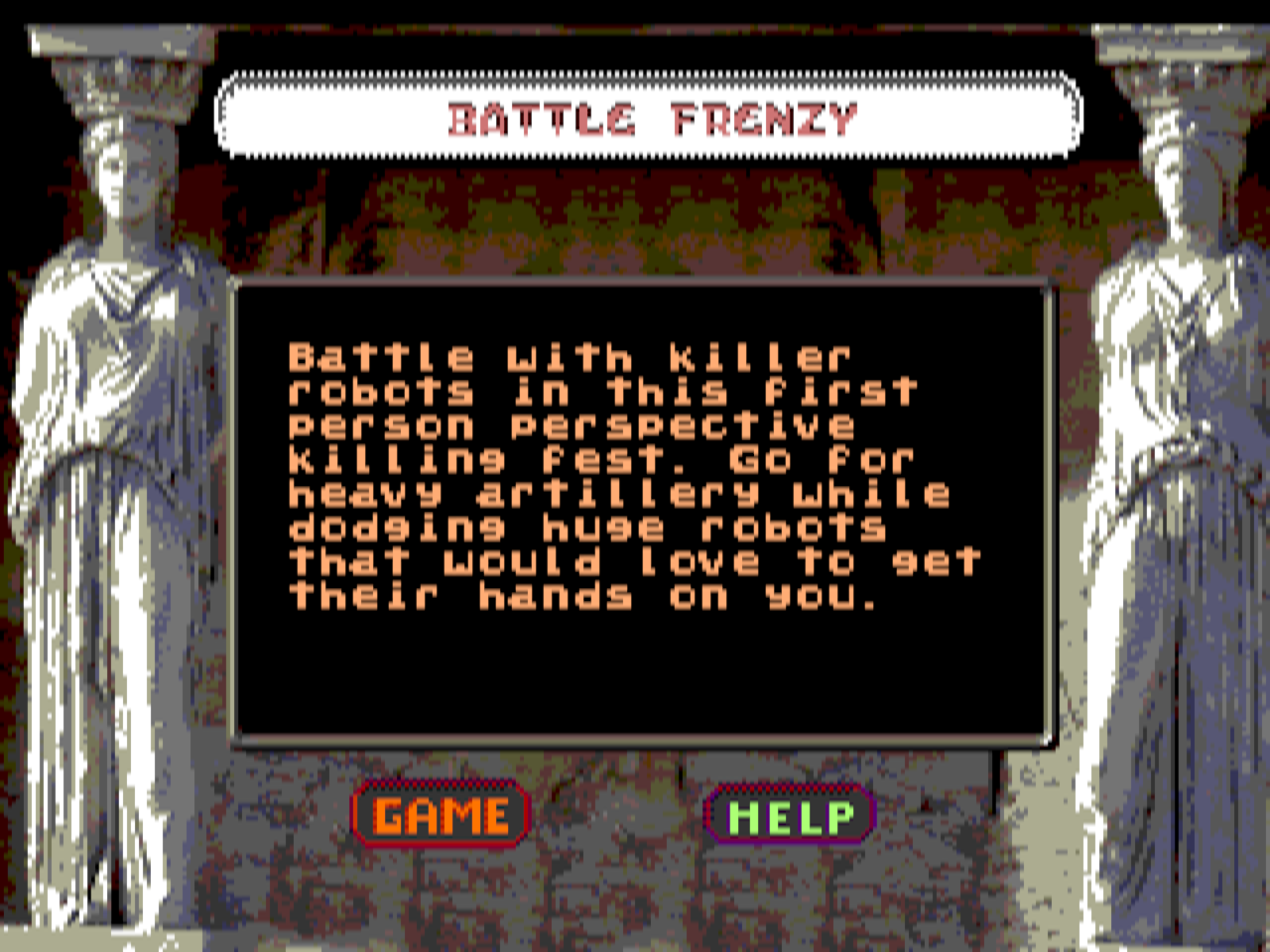
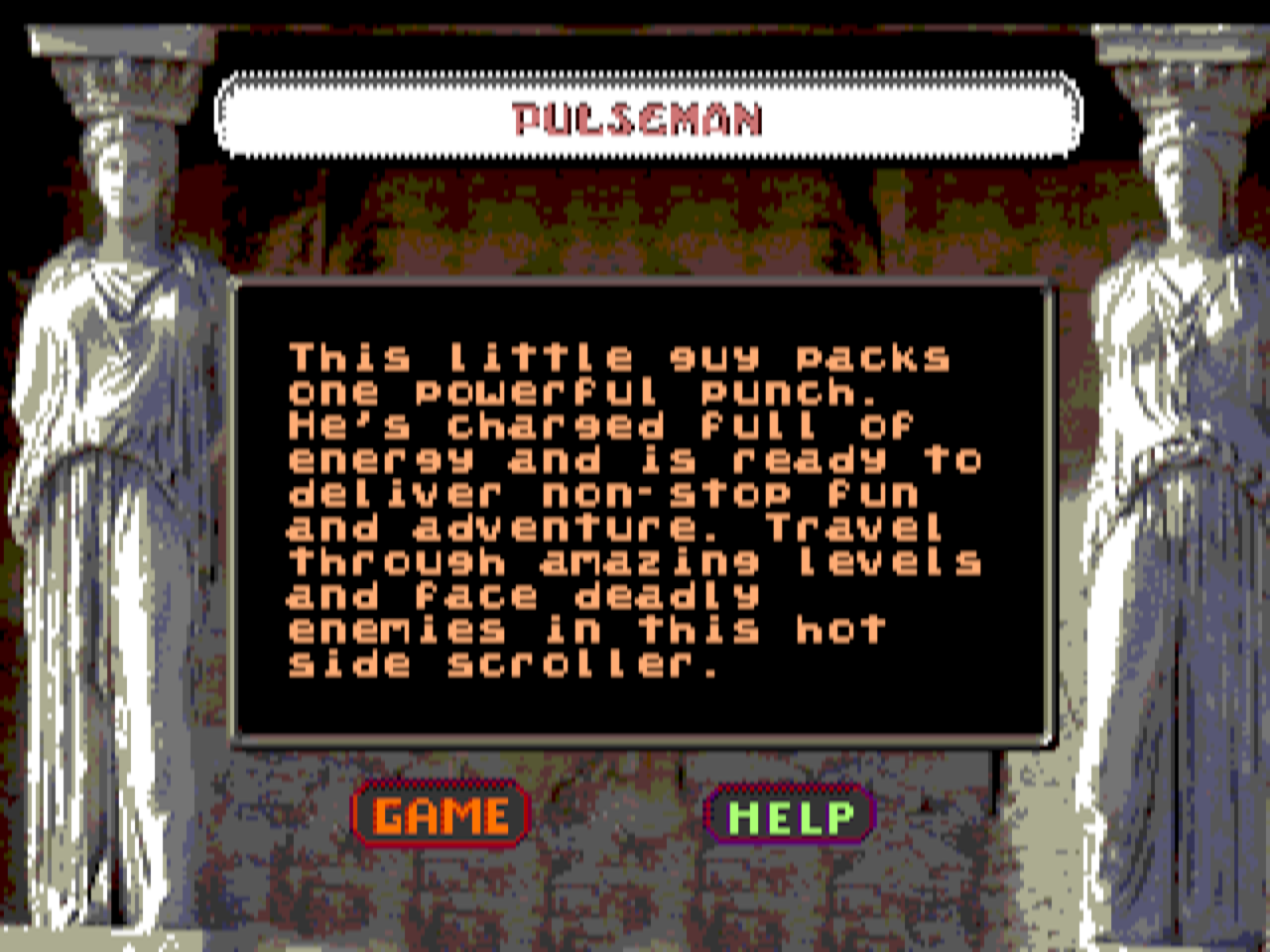
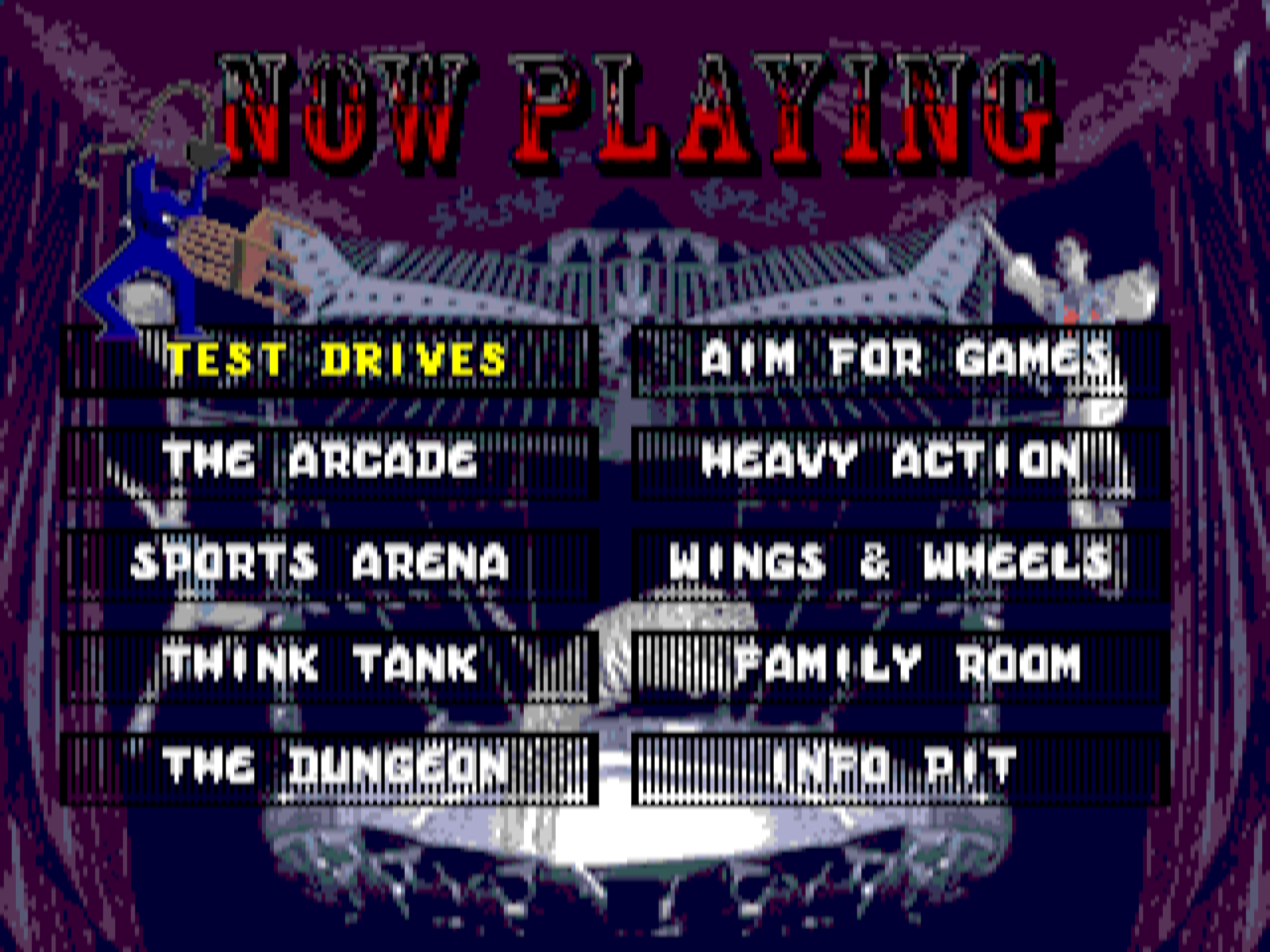
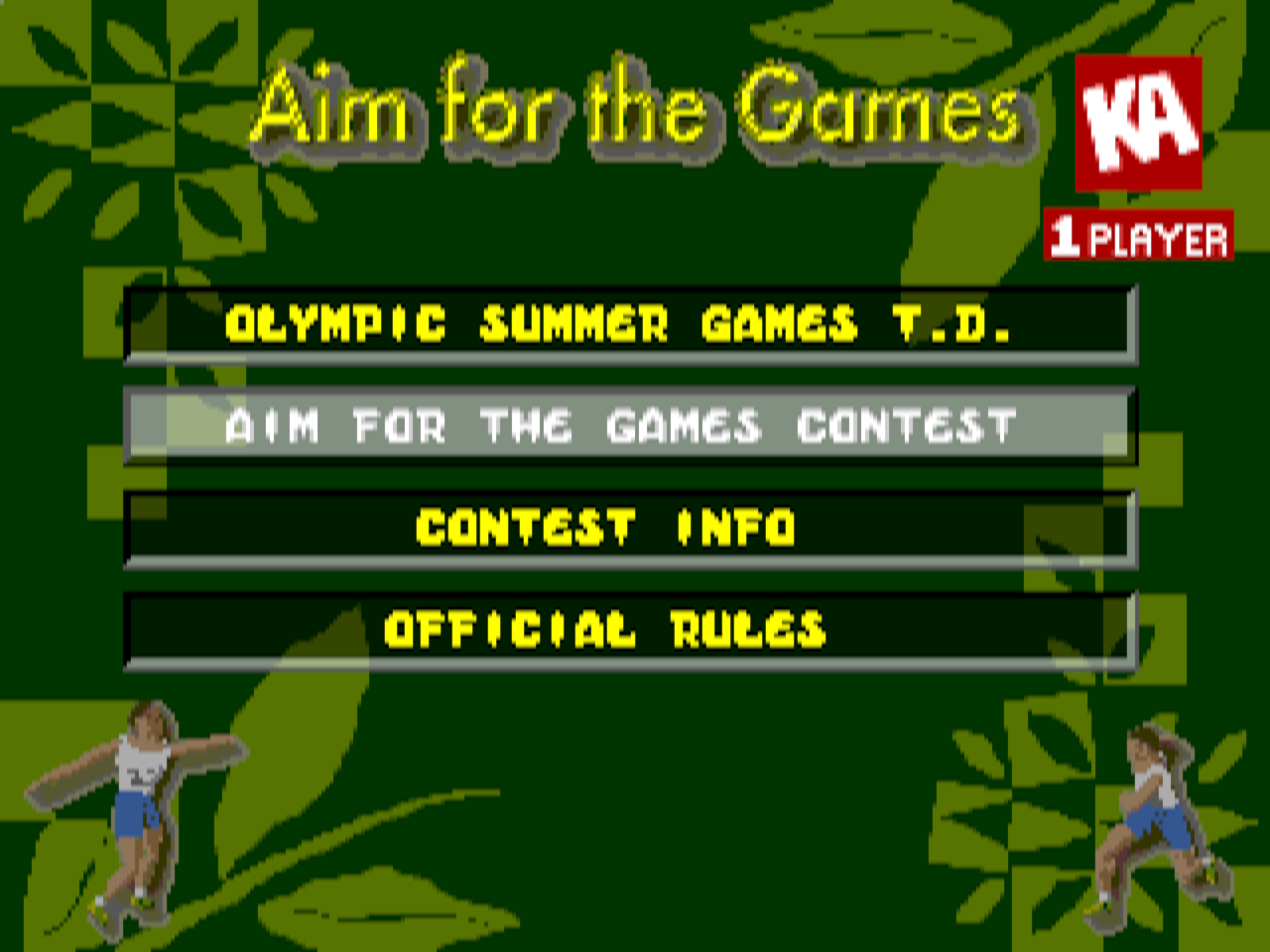
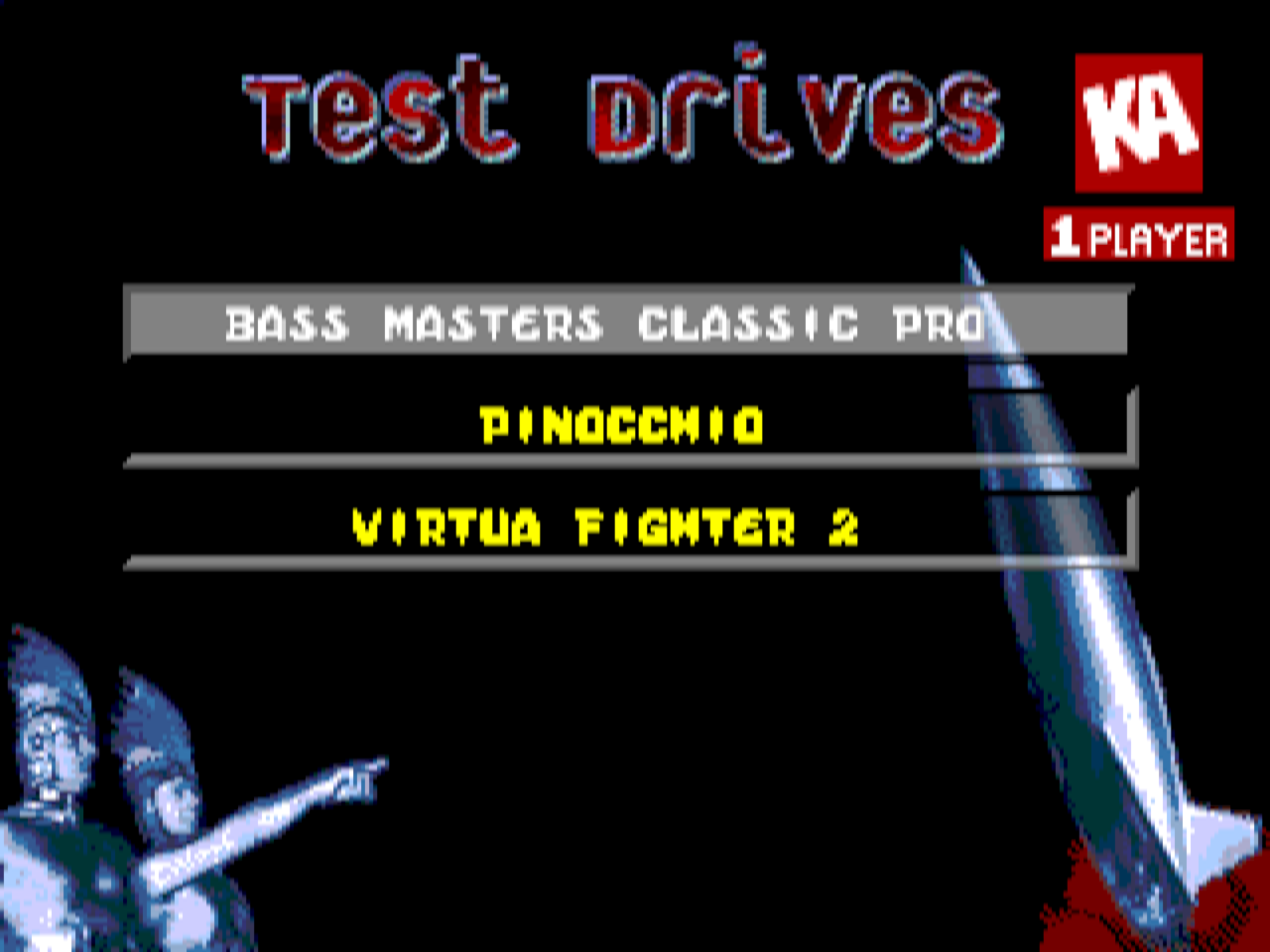
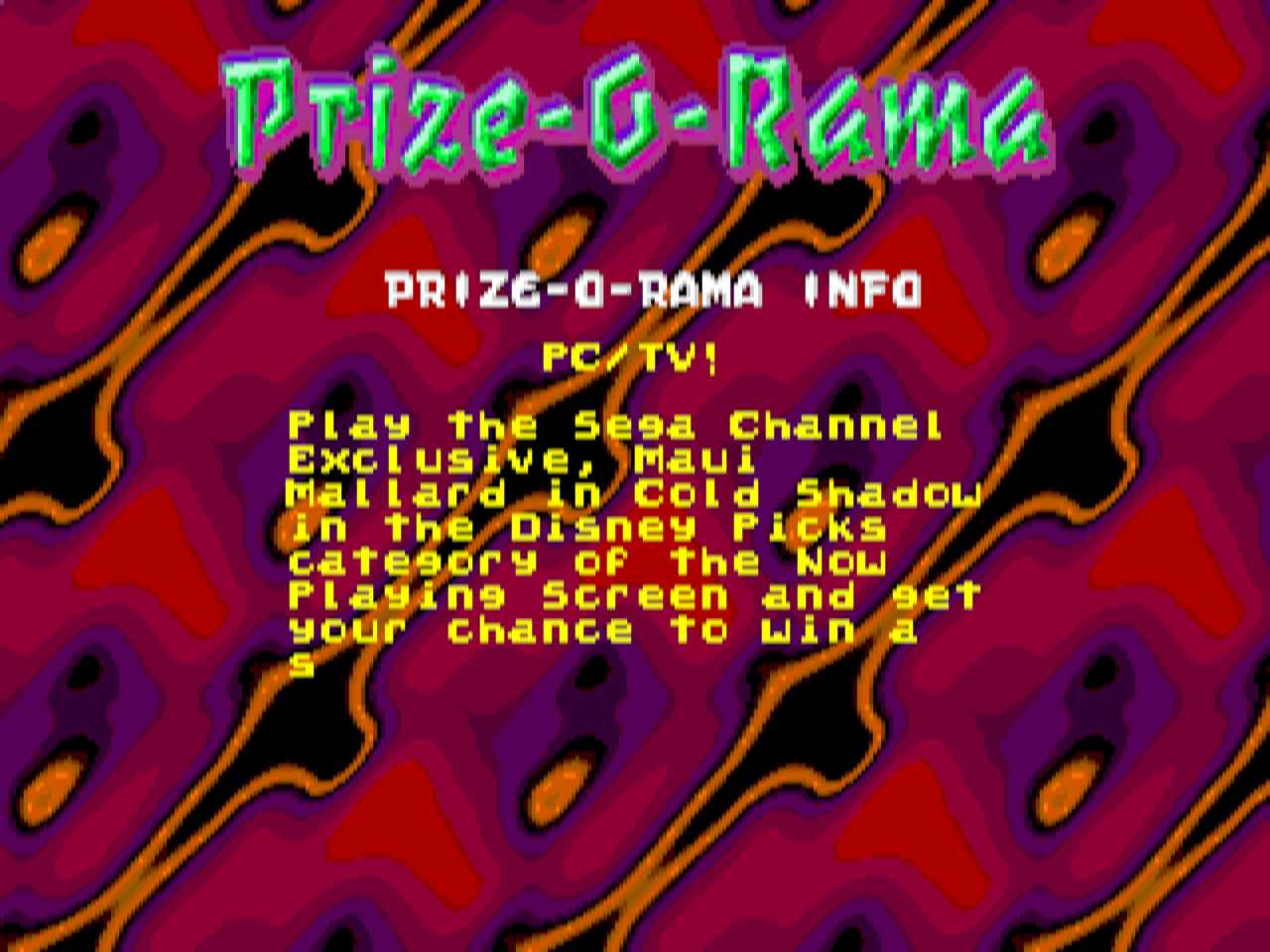
As previously mentioned, there are also several menu ROMs showcasing whatever was available on Sega Channel in several months from 1994 up to April 1997. There are also some test ROMs showing early versions of the menu design from before Sega Channel’s actual launch, which the public would never have seen before. There’s also music test ROMs, guide ROMs in LATAM Spanish for Argentina and Chile, bilingual guide ROMs in English and Canadian French for Canada, and five different interactive mock-ups of a proposed web browser that would’ve allowed Sega Channel users to view scaled-down websites on their Genesis through their cable TV connections. Those mock-ups were made to show to both General Electric and Scientific Atlanta, the companies making the Sega Channel cartridges and the networks running the service, to get their approval to develop and adapt the browser to their networks, and don’t actually function over any real internet connection. The Sega Saturn was the first game console to have a functional web browser for viewing HTML websites by way of the NetLink modem, but to have something like that for Genesis, and working through coaxial cable tv connections instead of RJ-11 phone connections and modems would’ve been incredibly ambitious at the time and this is a cool look at would could’ve been.
Among the internal documents also archived, there were documented plans to expand Sega Channel to PCs with a separate service called Express Games, named for the rental game service already available through Sega Channel. Express Games on PC would’ve allowed for a similar on-demand gaming service for PC games, with an increased focus on educational and non-competitive games in order to target a wider audience. It really shows how forward thinking Sega was with digital distribution of games, but perhaps they were too ahead of their time with these ideas?
The Video Game History Foundation took this moment to celebrate that very little data from the Sega Channel is now unarchived. Thanks to them, as well as the efforts of Sonic Retro members who had found and archived another data disc full of Sega Channel ROM data last year, which they had also talked about, we got a huge boost of definitive digital information available to document the Sega Channel experience for future generations and for the nostalgia of those lucky enough to have experienced Sega Channel first hand as subscribers in the 90’s.
Special thanks should also go out to Micheal Shorrock and Sega Channel Guy for saving and donating all of this material. Without them, and if not for Mr. Shorrock’s chance meeting with VGHF, who knows if we’d ever see any of this material ever again?

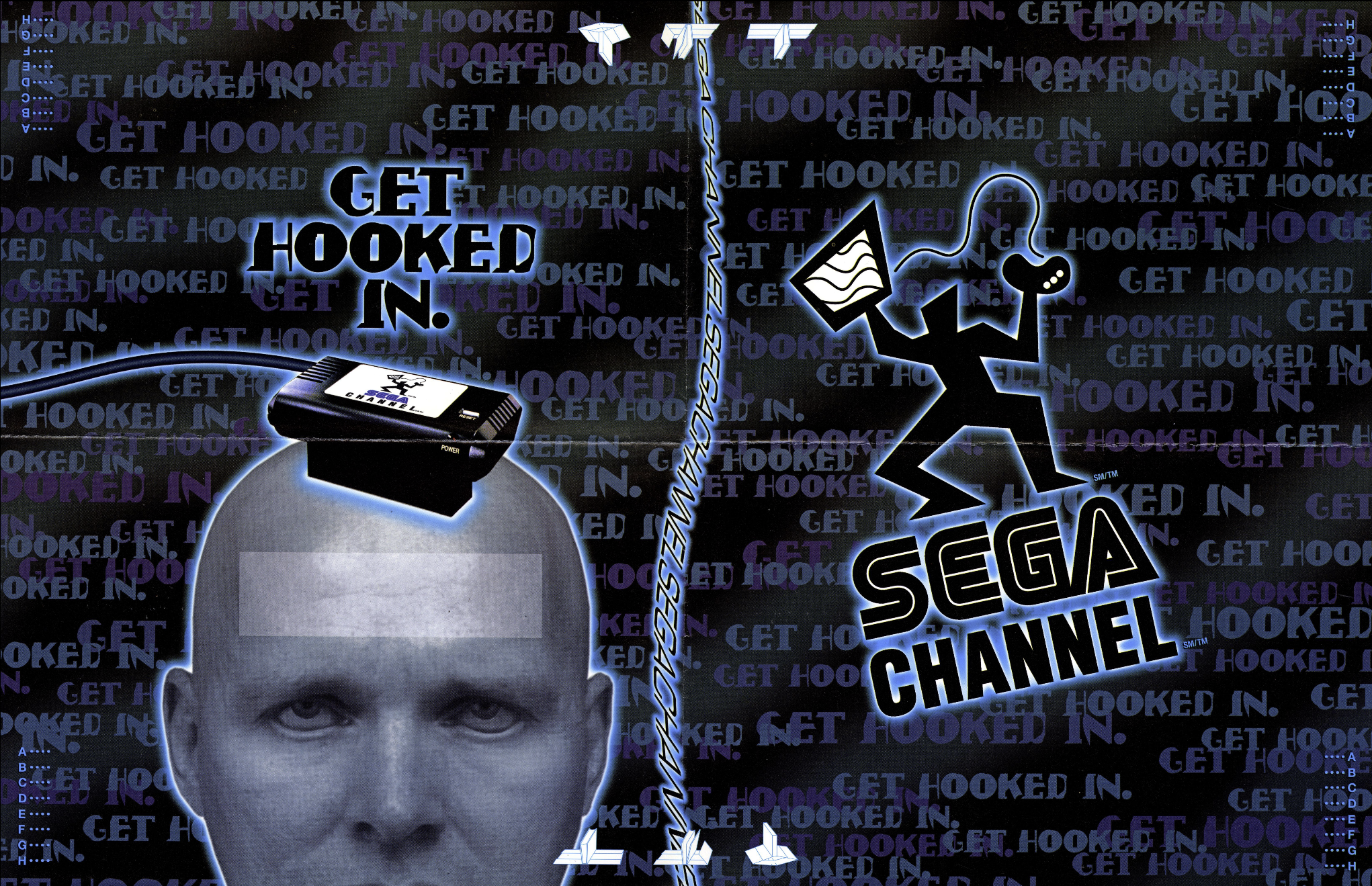
You can view all of the scanned printed documents as well as the radio and TV advertisements on the Video Game History Foundation’s Digital Library in the Micheal Shorrock Sega Channel collection. All the ROMs can be freely downloaded from Gaming Alexandria’s Sega Channel page and played in your favorite Genesis emulator or on real Genesis/Mega-Drive hardware with a flash cartridge such as any of the Everdrive line. On that note, you can also check out this page to see how those Sonic Retro forum members mentioned earlier reverse engineered the Sega Channel file formats to make perserving these ROMs possible for VGHF, as well as to download the Sega Channel ROMs they preserved last year, in case you hadn’t already.
The Video Game History Foundation is also in the middle of its annual Winter Fundraiser, featuring a series of events throughout the month of December, which this Sega Channel archive was part of, in order to raise funds to support their efforts to preserve as much video game history as possible. Be sure to toss a couple of bucks their way to support them for their hard work. Make sure to also watch them tomorrow, December 17th, as they reveal and release a load of prototype game ROMs from Atari Games and Sony Imagesoft as part of the Winter Fundraiser.
What do you think of all the Sega Channel material VGHF was able to save? Are you as excited to see them as I was? What’s your favorite among the ROMs they recovered? Were you a Sega Channel subscriber who saw some of these ROMs are part of the service proper back in the day? Did you find that secret code in the Earthworm Jim “Race To Win” ROM and can you tell us what it is? Tell us in the comments below.
With that, we’ll leave you with the famous Unused Song 2 from The Flintstones game as it sounds in this newly archived Genesis version.
Related posts:
 Garfield: Caught In The Act The Lost Levels finally found and shown off publically
 Several VHS recordings of never before seen Sega Channel footage found and preserved online
 Lost Sega Channel exclusive Genesis/Mega-Drive games “The Chessmaster” and “Klondike Solitaire” discovered and dumped online
 Lost Genesis/Mega-Drive RTS from Sega Technical Institute, Dark Empires, recovered and preserved
 Round Table: Is Sonic the Hedgehog overrated?