
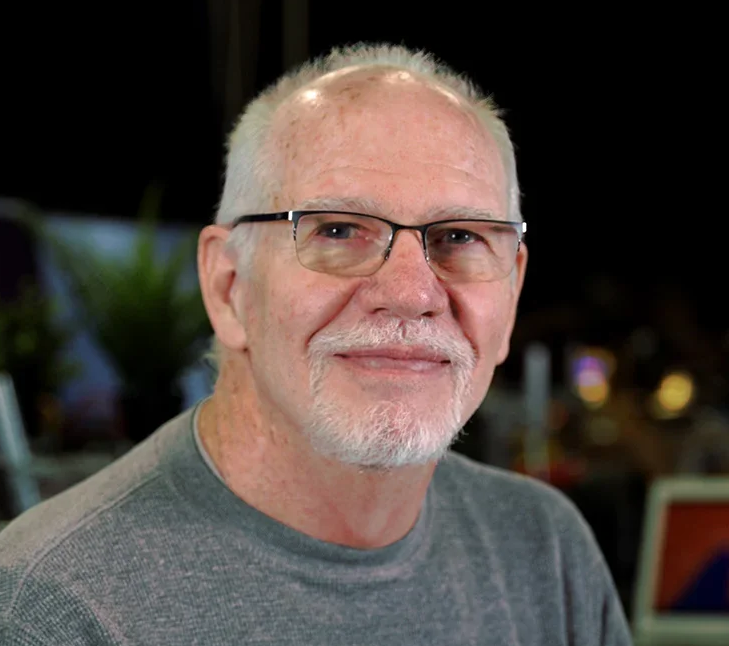
Sega Retro interviewer Ashley Rojas has published an in-depth interview with Jon Snoddy, the former Walt Disney Imagineering designer and founding creative force behind GameWorks. The interview follows Snoddy from his start at Lucasfilm in 1984, where he helped launch THX and bring Captain EO to the Disney parks, through his time at Imagineering, where he did the original concept and ride system for Indiana Jones Adventure and founded the Disney VR Studio in 1992. Snoddy recounts the “Sega Project,” Hayao Nakayama’s failed attempt to bring Joypolis-style venues to America with Disney, and reveals that the brainstorm behind it produced the idea that became Crazy Taxi. He explains how Disney’s decision to go it alone led to DisneyQuest, how Nakayama and Jeffrey Katzenberg both independently chose him to lead what became GameWorks, and touches on the sustainability of GameWorks at large. The interview goes on to cover his 20 trips to Sega in Japan, the 1996 tour with Steven Spielberg, a Disney partnership with Nintendo that never happened, and his return to Imagineering to lead its research and development group through to the modern era.
Read the interview on Sega Retro
They called me and said, “Do you have any ideas?” Avi Bar-Zeev – who has gone on to do crazy legendary things, great guy – Jim Steinmeyer, and Phil Hettema. A small group of three or four of us sat down and in one morning came up with 10 ideas, and those became the ideas that got presented. One of them turned out to be a billion-dollar idea for Sega called Crazy Taxi. That absolutely came out of that session. The agreement with Sega was that either company could pursue any of those ideas if the deal fell apart. Sega went on to build that game, which made them crazy money. Disney didn’t see that as useful.
Related posts:
 Interview with Satoshi Yokokawa: New Sonic 3 and Mecha Sonic Mk. II info revealed
 Secrets of Sonic X-treme: New 10 hour interview with SEGA producer Mike Wallis
 Exclusive Tom Payne interview: New details about Sonic 2 and Sega Technical Institute
 Interview: Ron Gilbert, industry legend and Director of The Cave
 SEGAbits at E3 2018: Team Sonic Racing demo gameplay and developer interview
The detail that Crazy Taxi came out of a single morning brainstorm session with just a handful of Imagineers is wild, especially since Disney dismissed it as not useful while Sega turned it into a billion-dollar franchise. The clause letting either company pursue ideas if the deal collapsed clearly worked out far better for Sega than for Disney. It makes you wonder how many other ideas from that session went unclaimed.