
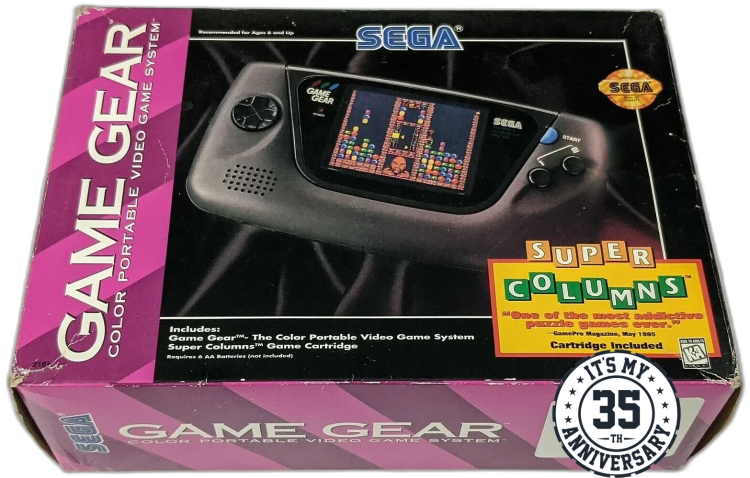
The year is 1991. Movies like Terminator 2: Judgement Day, Boyz n the Hood, The Scilence of the Lambs, The Addams Family, and Beauty And The Beast premiered in theaters. Shows like Dinosaurs, Home Improvement, Taz-Mania, Darkwing Duck, Samurai Pizza Cats, and Nickelodeon’s 3 premiere Nicktoons Rugrats, Doug, and The Ren & Stimpy Show premiered on TV. Songs like Smells Like Teen Spirit by Nirvana, Bring The Noise by Public Enemy and Anthrax, Unbelievable by EMF, It Ain’t Over ’til It’s Over by Lenny Kravitz, and Groove Is In the Heart by Deee-Lite topped the charts. Video games like Street Fighter II: The World Warrior, The Simpsons Arcade, Another World, Neverwinter Nights, and Road Rash came out. Sega launched games like Streets of Rage, Toejam & Earl, Quackshot Starring Donald Duck, Rad Mobile, and uh, oh yeah… an obscure little game that just never took off called Sonic the Hedgehog. (Stay tuned for that anniversary coming up.) Sega had done something else even more significant on this day that very same year, though. (Okay, maybe not more significant than Sonic, but stay with me here.) They launched their one and only dedicated handheld gaming console: The Game Gear.
On April 11th, 1991, the Game Gear first hit store shelves only in test markets in New York City and Los Angeles. On the 26th of that same month, it launched in the rest of North America. At the time, Game Gear went up against Nintendo’s Game Boy and Atari’s Lynx, and wound up sitting comfortably in second place behind the Game Boy in sales and popularity worldwide. Still, the Game Gear retains its place in video game history as a memorable handheld with its own line of enjoyable games available nowhere else.
So grab your own Gear if you got one and join us past the break as we continue this little trip down memory lane in full color.

Codenamed “Project Mercury” during development, Game Gear was the only handheld besides the Lynx offering a backlit color screen at the time, while Game Boy cut costs by sticking with a non-backlit screen displaying only four different shades of green (Grey, in the Game Boy Pocket’s case). You would think this would give Game Gear the edge against the Game Boy, but with Game Gear and Lynx being more expensive, requiring more AA batteries to work, and chewing through all that battery power faster than the Game Boy could chew through its own, they were no match for Game Boy. Still, Sega’s color and backlighting were the first things you would hear about in Sega’s marketing regarding why you should pick Game Gear over Game Boy. Considering Atari was hardly firing on all cylinders back then, Sega at least managed to come out above them, mostly thanks to their newfound market share from the success of the Genesis/Mega-Drive and Sonic the Hedgehog, among many other games Sega was making at the time.
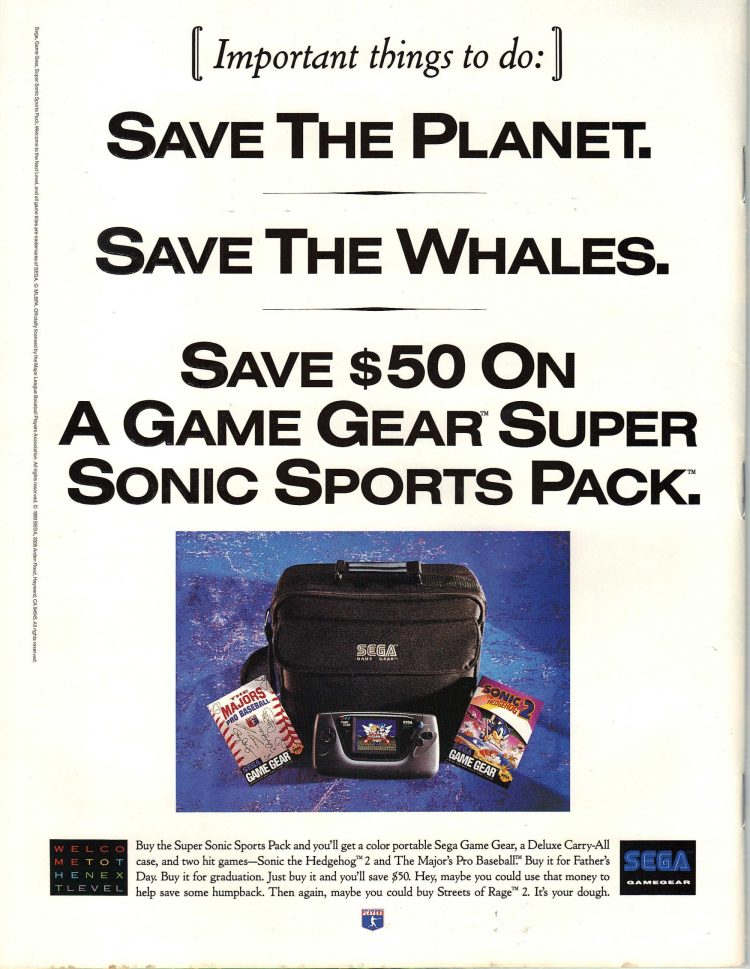
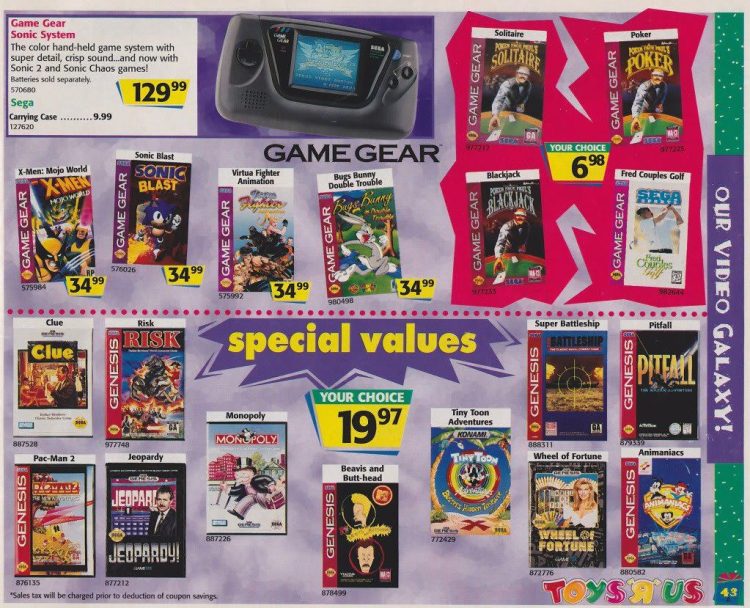
When Sega first launched the Game Gear, it came bundled with the Game Gear version of Columns, giving players a fun casual puzzle game to sink their teeth into wherever they go. This was inspired by Nintendo’s choice to bundle the Game Boy with their own puzzle masterpiece, Tetris, which went on to be the first killer app for Game Boy and the #1 reason to get a Game Boy in a pre-Pokemon world. While Columns wouldn’t reach the heights that Tetris did in the years since, it was still a great game all its own. Besides that, Game Gear players could enjoy many scaled down versions of games available in arcades and on Genesis, from Sonic the Hedgehog to Streets of Rage to Fantasy Zone to G-Loc: Air Battle. There were also several original games such as Crystal Warriors, The GG Shinobi, Defenders of Oasis, Virtua Fighter Animation, and a few Sonic the Hedgehog games.
Because the Game Gear shared much of its hardware with the Master System, a few of its games were near identical conversions of Master System games, such as Sonic the Hedgehog 1 & 2, Woody Pop, and Wonder Boy III: The Dragon’s Trap. In fact, Castle of Illusion Starring Mickey Mouse actually packaged with Master System game into a Game Gear cartridge with no changes whatsoever. The only major difference with the Game Gear’s hardware was that it was capable of producing a wider range of colors and also had a lower resolution screen than any TV, meaning games could take advantage of extra colors the Master System was incapable of displaying, but also had to be crunched down into smaller screen space.
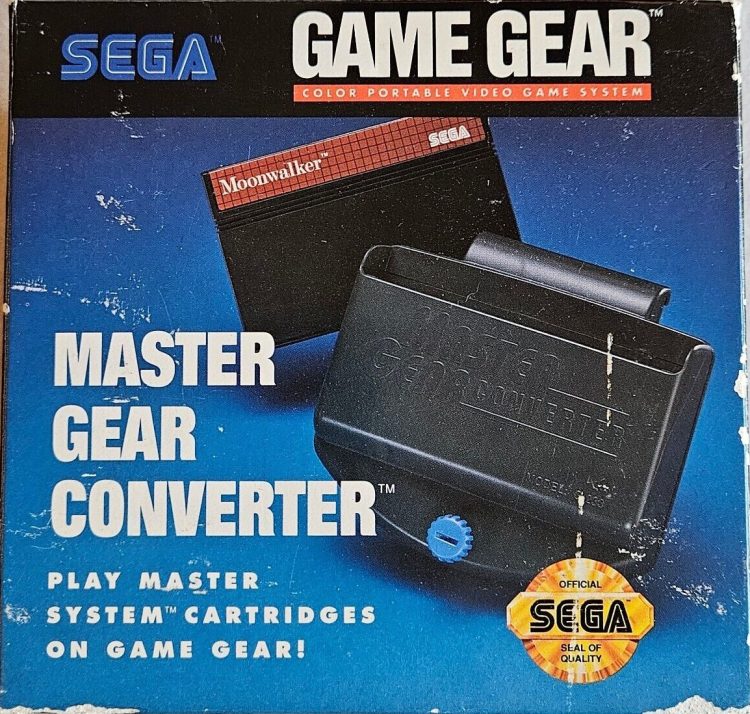
The Game Gear’s hardware was so similar to Master System, in fact, that when a Master System cartridge was converted in such a way to interface with Game Gear, the game would be perfectly playable. A few Master System cartridge adaptors were actually developed for Game Gear to make this work. None of them were official Sega products, but one in particular by a Hong-Kong company called Kaplus actually was distributed in the USA by Sega as an official product. This was the Master Gear Converter and, with it, most of your Master System game cartridges could be played on Game Gear. Unlike the Genesis’s Power Base Converter, however, it didn’t work with My Card games or games requiring the Light Phaser or 3-D Glasses.
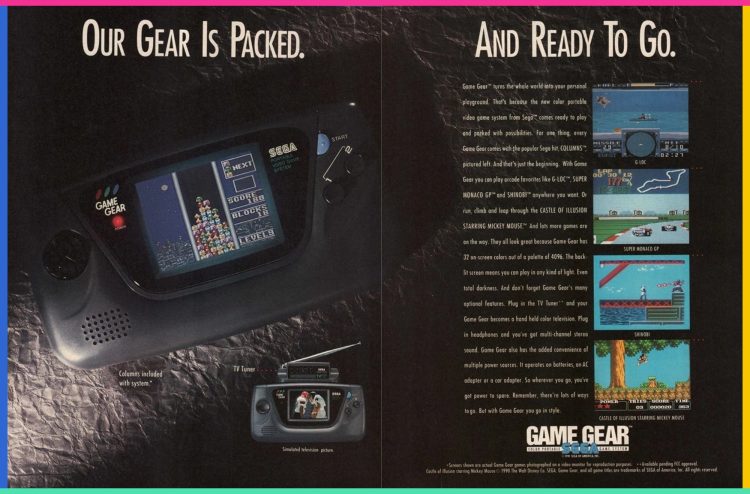
The Game Gear also played host to a number of other accessories. To alleviate the issue of keeping 6 AA batteries handy, there was also a car adaptor for powering the Game Gear through a car’s cigarette lighter port and a reusable battery pack that could be charged from any electrical wall outlet. The Wide Gear, and later, the Super Wide Gear, were magnifying glass attachments for enlarging the Game Gear’s screen, in case your eyes had a hard time adjusting to the tiny game window. One of Sega’s most famous accessories was a TV tuner for watching local over-the-air analog TV stations, which was something that the Game Boy and even the Lynx never offered. Handheld TVs back then were very expensive, making the Game Gear and a TV Tuner a cost-effective alternative for watching TV on the go. Sadly, over-the-air TV stations began to shut down during the 2010’s as TV stations worldwide began converting over to full digital signals, but the TV Tuner did also feature mono A/V inputs, so you could have some fun connecting other devices to your Game Gear TV Tuner, such as a Dreamcast.
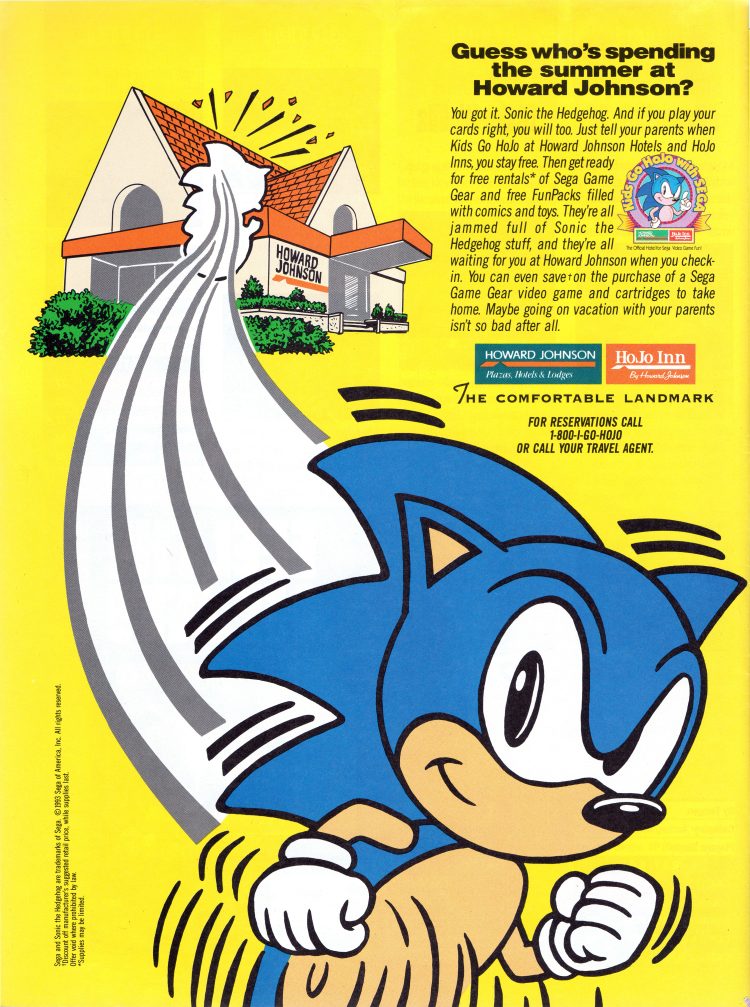
Sadly, even with the modest success the Game Gear enjoyed, Sega didn’t bother following it up with a successor handheld or even new revisions of the Game Gear. In the mid 90’s, Nintendo was riding high with the Game Boy and introduced the Game Boy Pocket, which was smaller, thinner, and required half as many AA batteries as a standard Game Boy, and then the Game Boy Color, which was about the same size as a Game Boy Pocket and still needed only 2 AA batteries, but now also could display color graphics. No upgrades like that came for the Game Gear hardware, and as Sega prepared to launch the 32X and Saturn, they had consolidated their hardware division to focus solely on those platforms, and we all know how that turns out. Sega would launch the Nomad exclusively in North America in 1996, but this was just a handheld Genesis console that played the same Genesis game cartridges, unlike the Game Gear, which had its own unique games in their own unique cartridges. Of course, 1996 is also when Nintendo launched the worldwide media juggernaut known as Pokemon with the Game Boy games Pokemon Red & Green in Japan, and it’s doubtful Sega could’ve come up with any handheld game to match up with that if they really tried. By the turn of the new millennium, about 11 million Game Gear units had sold worldwide.
These days, there aren’t many ways to buy Game Gear games for modern platforms. Sega had re-released a couple a few times, including as part of Sonic Gems Collection (2005) and the 3DS Virtual Console. The latter became unavailable following Nintendo’s closure of the 3DS and Wii U eShops in 2013, however. A few years ago, Sega also released the Game Gear Micro series of hardware exclusively in Japan. These were a series of bite-size Game Gear tribute handhelds, each containing a different array of four games built in. Much like the two Genesis Mini systems and Astro City Mini systems, these were collectors items only in production for a short time and are no longer sold today, but you may still come across second hand Game Gear Micros now and then.

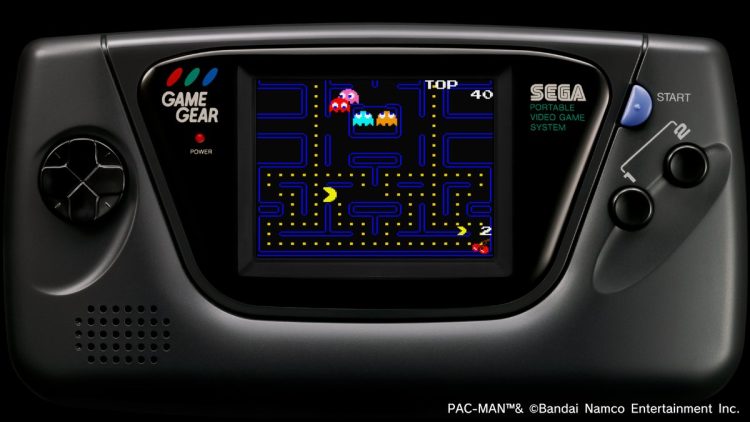
There are two newer games accessible today that feature a couple of Game Gear games to play: Sonic Origins Plus and Yakuza Kiwami 3 & Dark Ties. Both games feature a separate library of a couple of Game Gear classics playable in a software emulator developed in-house at RGG Studio. Besides that, Ratalaika Games has released the Telenet Japan developed and, previously, Japan exclusive Game Gear game Griffin (1991) on Steam, the Nintendo eShop, PlayStation Store, and the Xbox store, and if you’re a fan of Soccer, the Game Gear version of Super Kick-Off (1992) is also on Steam and includes other versions of that game.
New games are still occasionally made for Game Gear today, just like with most of Sega’s other consoles. However, most homebrew developers tend to pick the Master System over the Game Gear when developing new 8-bit Sega games. An online store called 2Minds is available that sells and publishes new games for all of Sega’s 8-bit systems, including Game Gear, but all their games are currently out of stock as of this writing. Be sure to check back in with them in case they ever have anything new available. You can also check out the Sega 8-bit homebrew community at SMSPower for new games to try once in a while. I can recommend Mai Nurse, a homebrew re-creation of Dr. Mario available on itch.io that you can play on Game Gear and a variety of other 8-bit systems.
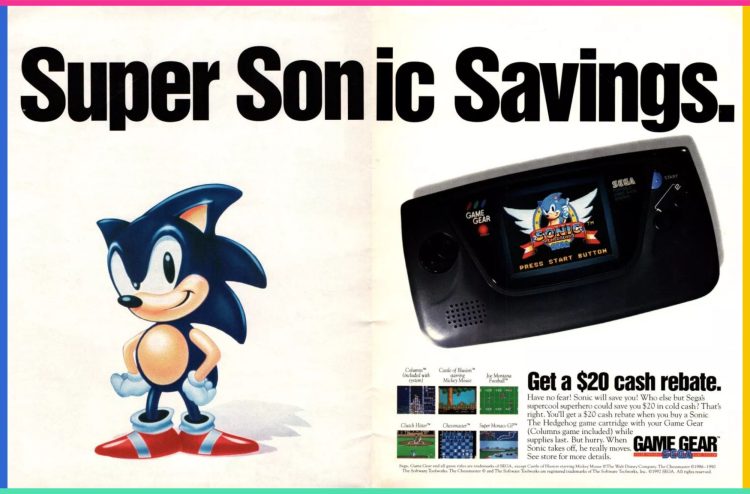
It might not be the most beloved hardware Sega had ever made, but the Game Gear holds its place in Sega history and in gaming history and brought us all some fun times back in the day. Go ahead and tell us your fondest memories with Game Gear in the comments below. Were you there when the Game Gear first launched? Did you get it during its test market run in NYC or LA? Are you a younger gamer only discovering Game Gear today? Have you found all the Game Gear game cartridges in Yakuza Kiwami 3 & Dark Ties, assuming you’re playing that one? Let us know in the comments below, and if you have a Game Gear or some other way of enjoying some classic Game Gear games, there’s no better time to give them a spin than right now.
Related posts:
 The Sega Genesis turns 35 years old today
 The Sega Dreamcast turns 25 years old today (In North America)
 SEGA Retrospective: It’s Ristar Week, c’mon!
 Homebrew Games Summer Showcase 2024 showcases 120 new homebrew games, including many for Sega consoles
 RGG Studio Directors Ryosuke Horii and Yutaka Ito reveal new behind the scenes info about the retro Sega games in Yakuza titles
Growing up in the 90s, I think I only ever knew one kid that had a Game Gear. Obviously, I didn’t. It didn’t make much sense for parents, or kids even, when the Game Boy was constantly cheaper, had better battery life, more games and more recognizable games.
Not to say the Game Gear didn’t have good games. It definitely did, but color-screened handhelds were ahead of their time at that point. Hell, Nintendo only made the GBC as a stop-gap to the GBA because they were worried about the Wonderswan.
To this day, I’ve only ever played Game Gear games on compilations or the 3DS Virtual Console. I don’t think I’ve ever held a GG in my hands.
I had a Game Gear, but only 5 games, and I got mine in 1996. I played a few more games I didn’t have from Sonic Gems Collection and the 3DS Virtual Console. The Game Gear’s screen did have an issue with ghosting images that the 3DS Virtual Console allows you to replicate if you want to.
I definitely don’t want to lol but I applaud the extra work for authenticity for those that do.