

One of the many things people typically love about the Yakuza/Like A Dragon series of games are the old school Sega games included as part of the bonus games you can play in your downtime away from the main story. The latest game in the franchise, Yakuza Kiwami 3 & Dark Ties, might have been a divisive entry, but what anyone can agree on are that the choice of new Model 3 games and the addition of Game Gear and NAOMI games are a welcome addition. It’s also just wonderful to have access to these games on modern platforms, even as side content in a Yakuza game.
Video game news outlet Automation JP have just sat down with current day RGG Studio directors Ryosuke Horii and Yutaka Ito to talk about the retro games added to the series. This should be a fun read if this is one of your favorite aspects about Yakuza, so sit down and join us past the break. We’re about to learn some unbelievable things about what went into choosing the games to include, how they implemented them into the larger game, and what the future holds for retro Sega games inside and outside the Yakuza franchise.
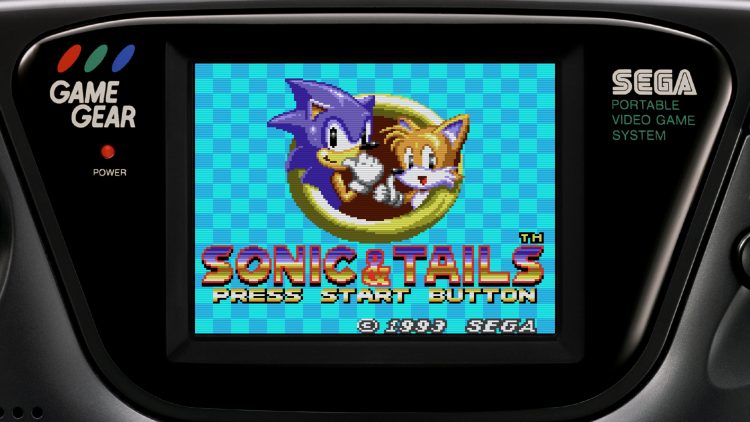
As most fans remember, Master System games have been available in RGG Studio games starting with Judgment (2018), but Game Gear made its debut in Yakuza Kiwami 3 & Dark Ties. According to Yutaka Ito, henceforth Ito-san, RGG Studio had prepared the Game Gear emulator used themselves, unlike the Master System emulator used before, which was made by M2. In fact, you may have used this same Game Gear emulator three years ago unknowingly. Ito-san revealed that RGG Studios’s Game Gear emulator actually made its debut in Sonic Origins Plus (2023), where it was used to run all the Sonic the Hedgehog Game Gear titles included in that expansion to Sonic Origins. Since then, RGG Studio have been itching to use that emulator in one of their own future titles, since Ryosuke Horii, henceforth Horii-san, was a big fan of the Game Gear.

As for which Game Gear games they decided to use in Yakuza Kiwami 3 & Dark Ties, Ito-san said they had two cardinal rules. Since it was the Game Gear’s debut in the Yakuza series, and because a lot of players may not have experienced Game Gear before, they wanted to go with a lot of first titles in different series, i.e. the first Game Gear Columns, the first Game Gear Puyo Puyo, the first Game Gear Shinobi, etc. They made sure to include a few niche titles for everyone else, though. They also made a point to include Pac-Man, Mappy, and Galaga ’91 just because Game Gear was the only Sega system to see official ports of classic Namco arcade games like those. (You know, if you don’t count any of these.)
In the end, RGG Studio managed to secure 12 Game Gear titles for Yakuza Kiwami 3 & Dark Ties, but they were never sure how many they’d be able to include. They hoped to get at least 10 Game Gear titles in, based on how much work it would take.
Ito-san mentioned that he gets the final say in which games get to be included. However, he does consult with other members of the development staff who are fans of retro games for their suggestions. One type of game they won’t include in Yakuza titles is long-form games, such as RPGs. Retro games in Yakuza are meant to be side games for what is already a big and beefy game, so they want shorter, less complicated games for their lineup of bonus retro games. Including other big and beefy games as side content goes beyond something that players can just check out for a quick break from the main course. Don’t bother requesting Shining Force: The Sword of Hajya or Crystal Warriors for a Yakuza game then, for example.
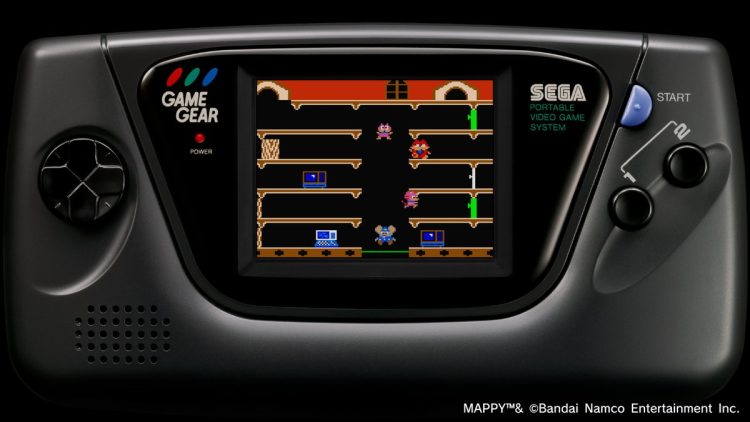
Some of you who have played the Game Gear games in Yakuza Kiwami 3 & Dark Ties may have noticed Mappy has menus with English text. Mappy is one of the few Game Gear titles included in the game that was only released in Japan, and as such, only had Japanese text in its menus. According to Ito-san, they debated whether or not the game was worth including because of that, since International players aren’t likely to understand Japanese. They’d even thought about coding English subtitle overlays just for this game. In the end, they went out of their way to reverse engineer the original game to make their own English translation and get it approved by Bandai-Namco Entertainment. Many of you who didn’t know there was no English version of Game Gear Mappy until now might not have thought twice about this, but it is an appreciated effort.
As for what games they could not include, they mentioned sports games, racing games, and games based on anime licenses would be too costly to include because of real world licenses, as many would’ve come to expect by now. They also said that games with an over-emphasis on multiplayer battles would be difficult as well, because multiplayer on Game Gear required not only a second player to join you, but also joining together two Game Gears with a link cable. They did include split-screen functionality for Game Gear games with mutiplayer modes, but this is more of a bonus feature for enthusiasts. The core of each of those games is still in single player, which is easy to experience either way.

They were asked about the possibility of other consoles’ games coming to the Yakuza series as well. For Saturn games, they say that emulating those could be too difficult and not even worth trying for the few ST-V games they could install into arcade centers in the game. Ito-san thinks that building native ports for the Saturn games that still have accessible source code would be a better use of their time instead. As for Genesis/Mega-Drive games, they find that to be pointless due to the Genesis Mini 1 & 2 existing, which is an odd thing to say when both mini consoles have been out of production for years now and second-hand consoles tend to go for more than their original MSRP. Unless there’s a third Genesis Mini on the way that we don’t know about yet, or the original two are gonna resume production, I don’t think those mini consoles are as accessible as they once were for people who don’t already have either by now. (This isn’t helped by the fact that Sega keeps taking other methods of playing Genesis games away lately,)
In more uplifting console talk, Ito-san does say that Dreamcast games are absolutely on the table now that they’ve worked out NAOMI emulation, due to both systems having very similar hardware. He doesn’t confirm that Dreamcast games will be in any particular future titles or give a suggestion about which Dreamcast games they will add. Going by what he said about how they settled on which Game Gear games to add though, I would expect those rules to apply to Dreamcast games up for consideration as well.

When asked about what arcade games they’d like to add to future titles now that NAOMI games are doable, Horii-san actually brought up Inu no Osanpo (Walk The Dog) (2001) and Tokyo Bus Guide (1999) as examples he would personally love to add in. Ito-san brings up how the latter was developed and published by FortyFive, so unless they can get in touch with them and work something out, that game is out of Sega’s hands. They also talked about fan anticipation for MushiKing: The King of Beetles (2003) ever since making the MesuKing: Battle Bug Beauties parody game for Yakuza Kiwami and said they may do something like that based on Love and Berry: Dress Up and Dance (2006) in the future. Horii-san even joked about making a “Cool Daddy Yakuza” style parody of that game.
They also talk about the requests they’ve gotten to release Sega games as standalone titles separate from the Yakuza series using these emulators they’ve developed. However, they’ve said doing so might be tough for Sega due to the limits they’d have for the prices they can set and the customers those games can reach that way. As bonuses in the Yakuza games, however, they’re not held back at all by the complications of sales or marketing with retro games. (This is something Ito-san talked about before, which you can read about here if you want.) They also figure that, by adding these games to a virtual recreation of the environments they were originally built for within the Yakuza series, they’re making these games feel much more special than standalone or compilation releases can usually make them feel. Ito-san did say that other companies are free to reach out to Sega about helping to arrange separate re-releases of their old games, however.

I do actually understand where Ito-san and Horii-san are coming from here. Anyone can make a simple compilation of retro games where you pick the one you want to play from a menu. In fact, that’s essentially also how free, downloadable emulators work. However, it is a lot more exciting to be able to recreate the experience of setting foot into an arcade setting, walking up to a cabinet, and buying credits to play a game. This is why I actually loved the virtual bedroom menu from the Sega Genesis Classics collection. Horii-san also brought up the fact that since they rotate the available games in each Yakuza title, it creates anticipation in fans to see what games will be added in each new title. What they didn’t mention is how this also matches up with how arcade centers occasionally rotate the games they have available. On that note, the Yakuza games do usually require you to go out and find or buy Master System or Game Gear cartridges before you can play those games instead of giving you all of them right away, which is also part of the console or handheld experience for better or worse.
Considering you’re not likely to spend hours on these games anyway because of their short and sweet nature (Not to mention that you only have so much money in real life), having that extra context keeps these games feeling much more special and can have you coming back for more. It might be a little inconvenient, but at least this way you appreciate the retro games better and have another reason to look forward to each new Yakuza/Like A Dragon game. That said, I would still like to see these games made available outside of the Yakuza series for the sake of convenience and as an option for anyone who isn’t interested in the Yakuza/Like A Dragon series just as much as many of you readers probably would. That would also be best for any games too big and too complicated to be simple side games for Yakuza.
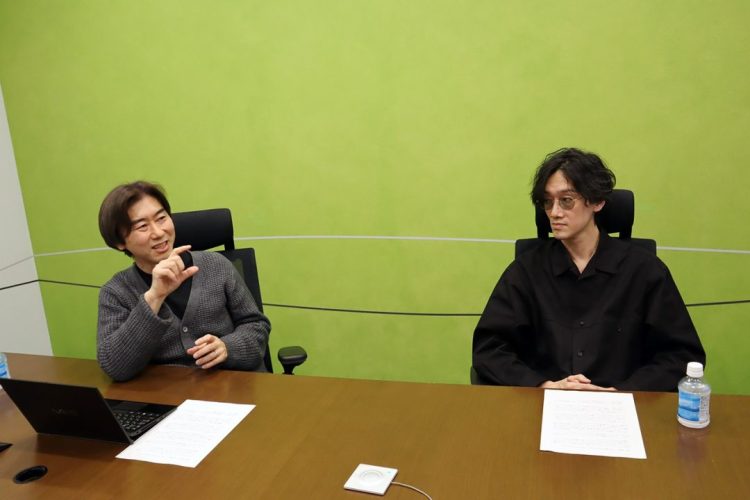
With that being said, that was the extent of the interview. If you’d like to read it for yourself, you can check it out here at Automation JP as long as your confident in your method of translation. Now here’s our questions for you readers to answer in the comments below. Are you enjoying the retro games brought back via the Yakuza series? Do you like playing them from Yakuza’s virtual arcade settings or would you prefer a simple, separate compilation title to play them all from? Would you be down to see any other consoles or arcade titles in these games? Let your voices be heard here.
Related posts:
 Several mini-games and retro games in Yakuza Kiwami 3 & Dark Ties revealed and detailed
 Homebrew Games Summer Showcase 2024 showcases 120 new homebrew games, including many for Sega consoles
 Developer Retrospective: The winning combination of SEGA and Compile
 All-In-One Sega FPGA console “SuperSega” in development; shows world’s first Dreamcast FPGA footage
 Special interview with Retro Sumus, creators of Sovietborgs and Xenocider
Maybe for the bus game he meant “Toyko Bus Tour” from 2000 – is this an arcade port of the home version? https://system16.com/hardware.php?id=721&page=8#2144
Whoops. Silly me. I completely missed the fact it was also an arcade game.
It is, I also have the Dreamcast conversion as it did release a Dreamcast release also as many arcade games did.
I like the arcades with older SEGA games since Shenmue times and Hang On. Yakuza games started cautiusly with Boxcelios, but since then they are constantly stepping up the game – VF2 and Taiko no Tatsujin in Yakuza 5, VF5 and Puyo Puyo in Yakuza 6, Daytona 2 in Gaiden. Now I very much enjoyed a few hours with Emergency Call Ambulance. I am not much interested in Game Gear or Mega Drive though, since these games are (were) widely avaliable on various platforms for years. Walk The Dog and Tokyo Bus Tour are nice ideas! Holy grail would be titles like Sega Rally 1/2 and Out Run 2, but I guess games like these are out of question because of licensing.
It is kinda crazy they even bothered putting together Club Sega arcades you could walk inside of without letting you play Sega arcade games as far back as the original Yakuza on PS2. Back then, you could only experience the Print Club photo booths and UFO Catchers and nothing more.
Master System games were only widely accessible on Wii Virtual Console and Game Gear games on 3DS Virtual Console before Yakuza/Like a Dragon, beyond a handful of odd games in Genesis or Sonic collections. You might be confusing those with Genesis/Mega-Drive games.
Sadly, I wouldn’t hold your breath for Sega Rally or OutRun 2, but there’s always the possibility they could get really creative and figure out a way to bypass the licenses those games held. I’m sure nobody’s gonna accept RGG even thinking about taking The Offspring or Bad Religion out of Crazy Taxi if that’s what it takes to get that in Yakuza, though.
Yeah, it felt revolutionary when Boxcelios was playble in addition to UFO Catchers and with Yakuza 5 it reached another dimension :-).
It is probably my own personal problem with 8 and 16 bit titles. I was kind of obessed at the time and bought and played lots and lots of those on Wii, 3DS, PS3, not to mention Mega Drive mini and now I am a bit tired of them (of course it is not possible to actually be tired of any SEGA game). Another thing is – the late 90’s and early 2000’s arcade games have that cutting-edge magic, with home consoles being inferior to arcade machines for the last time at that point.
Sadly, those license-filled games are probably off the table. But, .. with Crazy Taxi it’s only about the music and original Sega Rally has no real life tracks and just two cars, that can’t be that hard licensing work, can it?
Sadly Games like after burner 2 and climax would probably also be out of the question unless they slightly changed the look of the fighter jets like what Activision and EA have been doing in there Call Of Duty and Battlefield games respectively. I want to play the afterburner games so badly. 😢 At least I got g-loc on the switch to play in the meantime.
Oh! while I’m at it, Arcade titles I would love to see ported in a future like a dragon game would be gunblade ny, la machine gun’s, the original monkey ball, and possibly one of the Dynamite Deka games. Daytona usa would also be a great choice with or without the license considering sega did re-release that game without the Daytona trademark at some arcades some years ago.
Daytona USA is still available for purchase at PS3 store for a few euros/dollars! With trophies to boot. And at least first Afrerburner is still playable in Shenmues II’s Hong Kong.
I had the exact same idea for years about using games like Inu No Osanpo (Walk the Dog), I can’t see SEGA re-releasing this separately on home consoles if not their own arcade consoles, but the Ryu Ga Gotoku (Like A Dragon aka Yakuza) series gives SEGA a new avenue to use re-use this games, SEGA has a wealth of these under-used games that can continue to be an additional selling point for the continuation of the LAD (Like A Dragon) series and Yakuza series.