
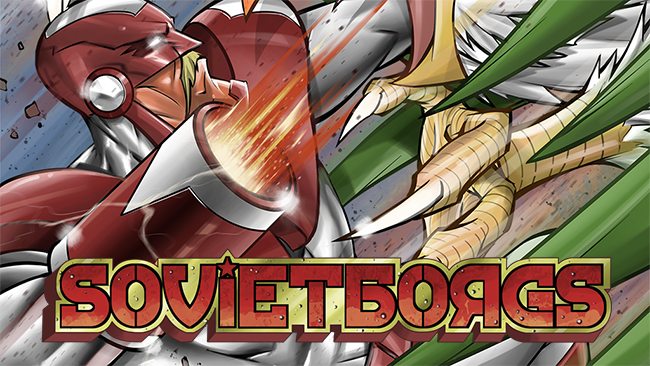
Some of you may remember Sovietborgs, the hot new Genesis/Mega-Drive top-down shooter being developed by Retro Sumus, previously known for their work on modern Dreamcast classic Xenocider. As of this writing, Sovietborgs’s Indiegogo campaign is still live and they are halfway toward their monetary goal to finish the game.
As their crowdfunding campaign soldiers on, we’ve had the lucky opportunity to speak to the people hard at work on Sovietborgs. This way, all of you, whether you’re excited for the game or still on the fence about supporting it, can get a look within the minds of this USSR themed 3D shooter and see what inspired them in their work.
Join us after the break as we learn about this history of Retro Sumus’s developers and what inspired them both technologically and creatively. As a special bonus, you can also see some photos of the game at this year’s Retrocon, which took place in São Paulo, Brazil from July 25-27th, 2025.
Before we start, could you please tell our readers about Sovietborgs in your own words, in case some of them are only now learning about it?
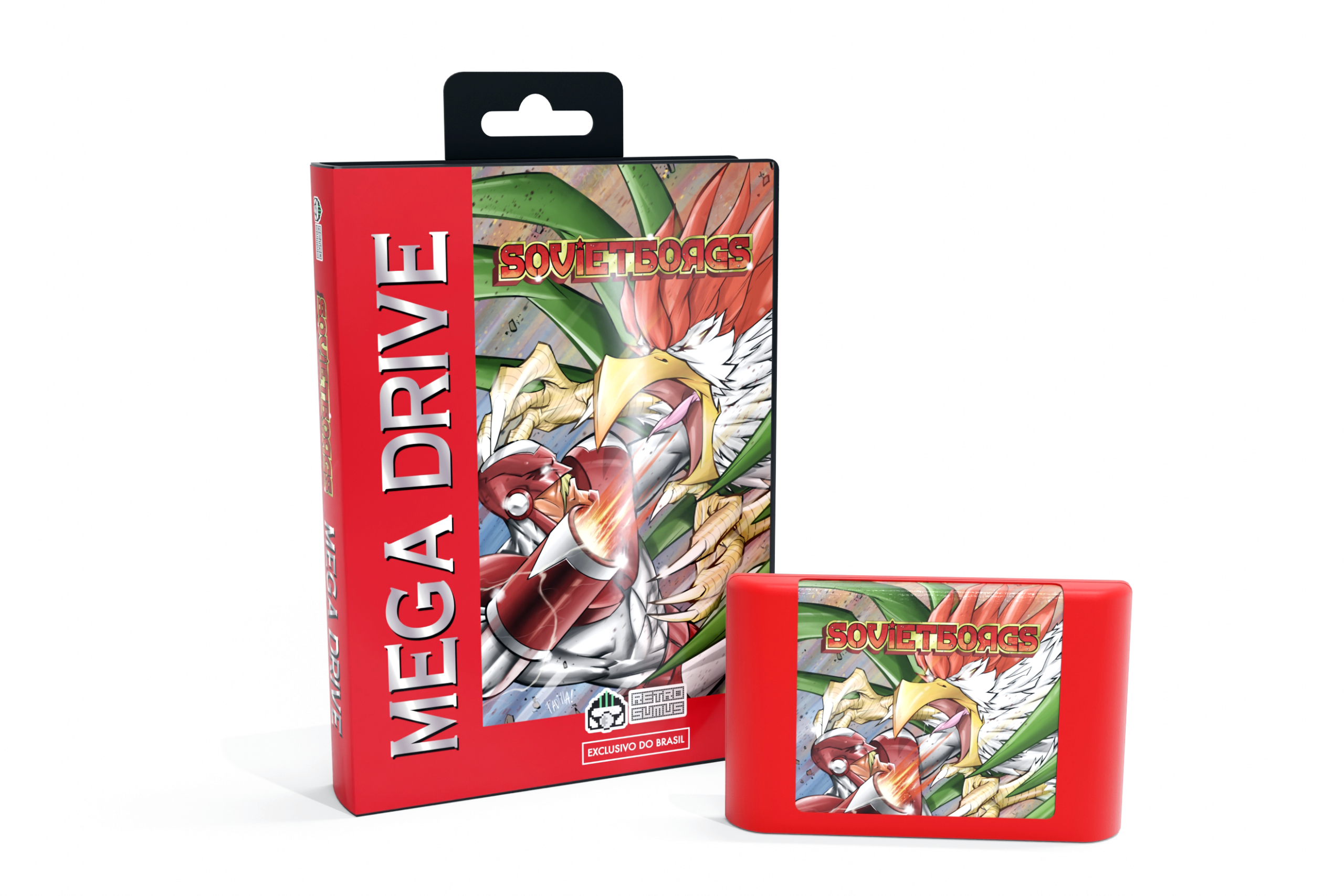
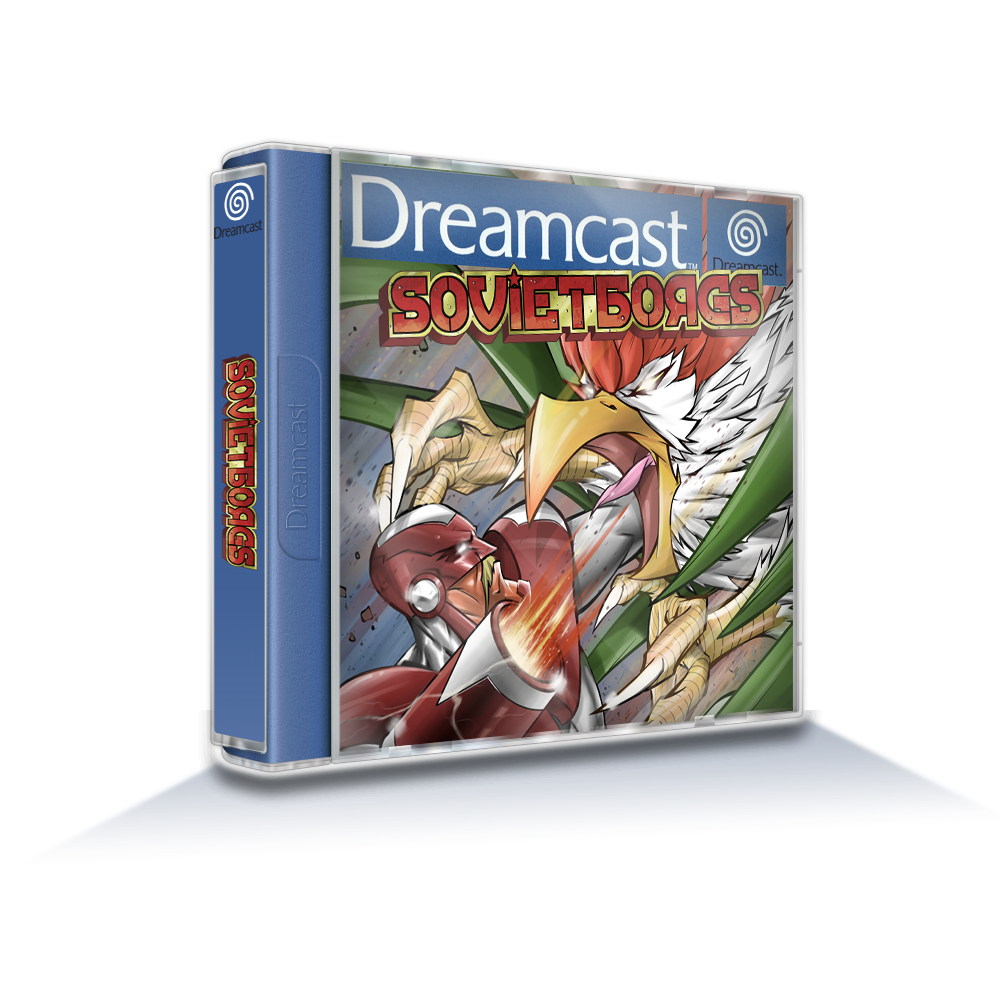
Set in a post Cold War universe where the USSR won and turned the world into a nuclear wasteland, Sovietborgs is a new top-down run and gun in development for Sega Genesis / Mega Drive, Dreamcast, Neo Geo, and MS-DOS.
Could you brief us on your prior history of game development? Are there any notable games anyone on your team worked on before Retro Sumus?
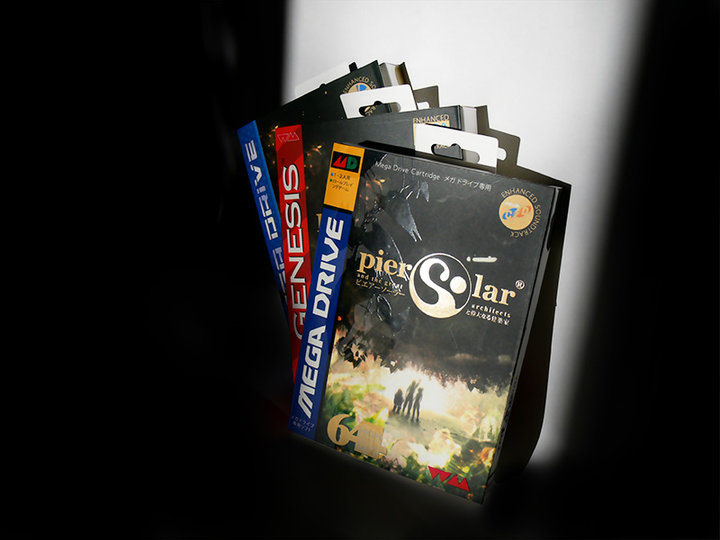
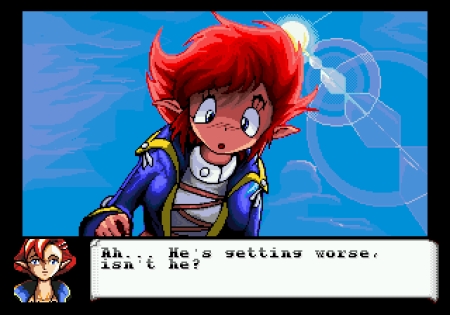
Actually we met each other while working or collaborating on Pier Solar. We met in person during RetroMadrid, at the time the biggest retrogaming event in Spain, shared a few ideas and began work on Xenocider after Pier Solar HD was finished.
We’ve also worked or collaborated on other indie efforts. But most notably Daniel Lancha aka Chui is known for the AES4all and NEO4all emulators and for developing Ghost Blade and the Dreamcast releases of Flashback, Fade to Black, and Breakers, among others.
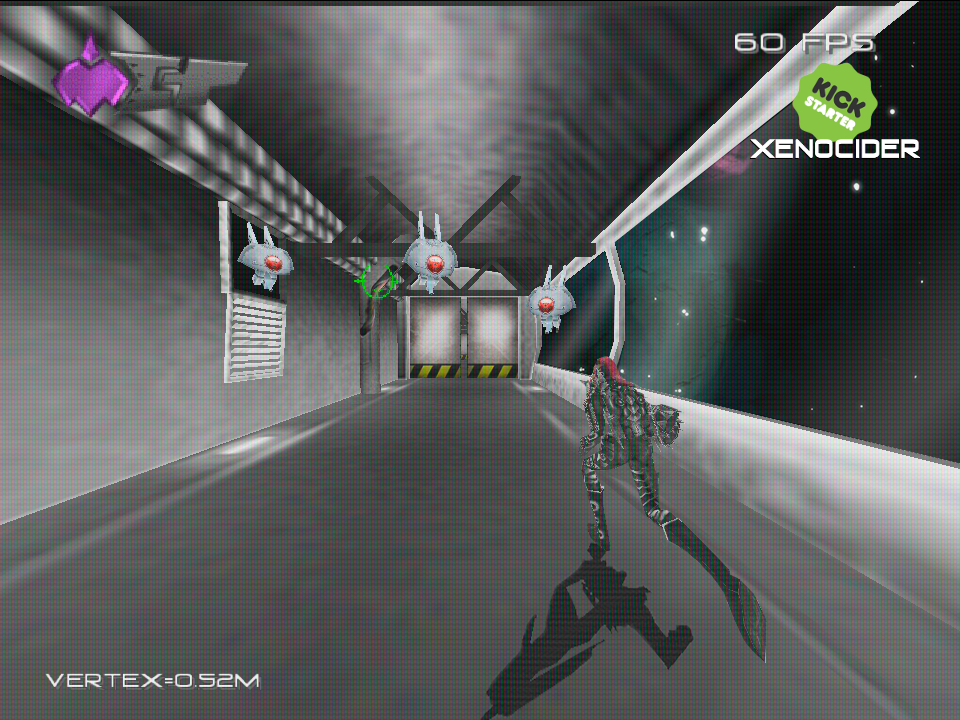
Most people know that, before Sovietborgs, you created Xenocider for Dreamcast. Were they any lessons learned from developing that game that you’re applying now with Sovietborgs?
To be honest I think one of the most important things we learned is you can never take for granted that people will know or remember you for your past work! 🙂 But also Chui developed the framework under Linux we’re using now too. On the other hand, we found out how frustratingly long it could be to develop an ambitious game with no budget!
The reception of Xenocider was mostly positive, and overall, buyers were very satisfied with their physical editions. They were also very patient throughout the entire pre-order process, the updates we published, the inevitable delays, and so on. This shows that, as long as there is transparency and proper communication, the public generally will understand. Of course, there are exceptions, but in our experience, this has been the case.
Also, we learned a lot during development, and we’d like to think we’re approaching Sovietborgs with a more realistic plan in mind. Not trying to bite more than we can chew, so to speak, so the development won’t take that long again.

Where did the basic idea of Sovietborgs’s gameplay and setting come from?
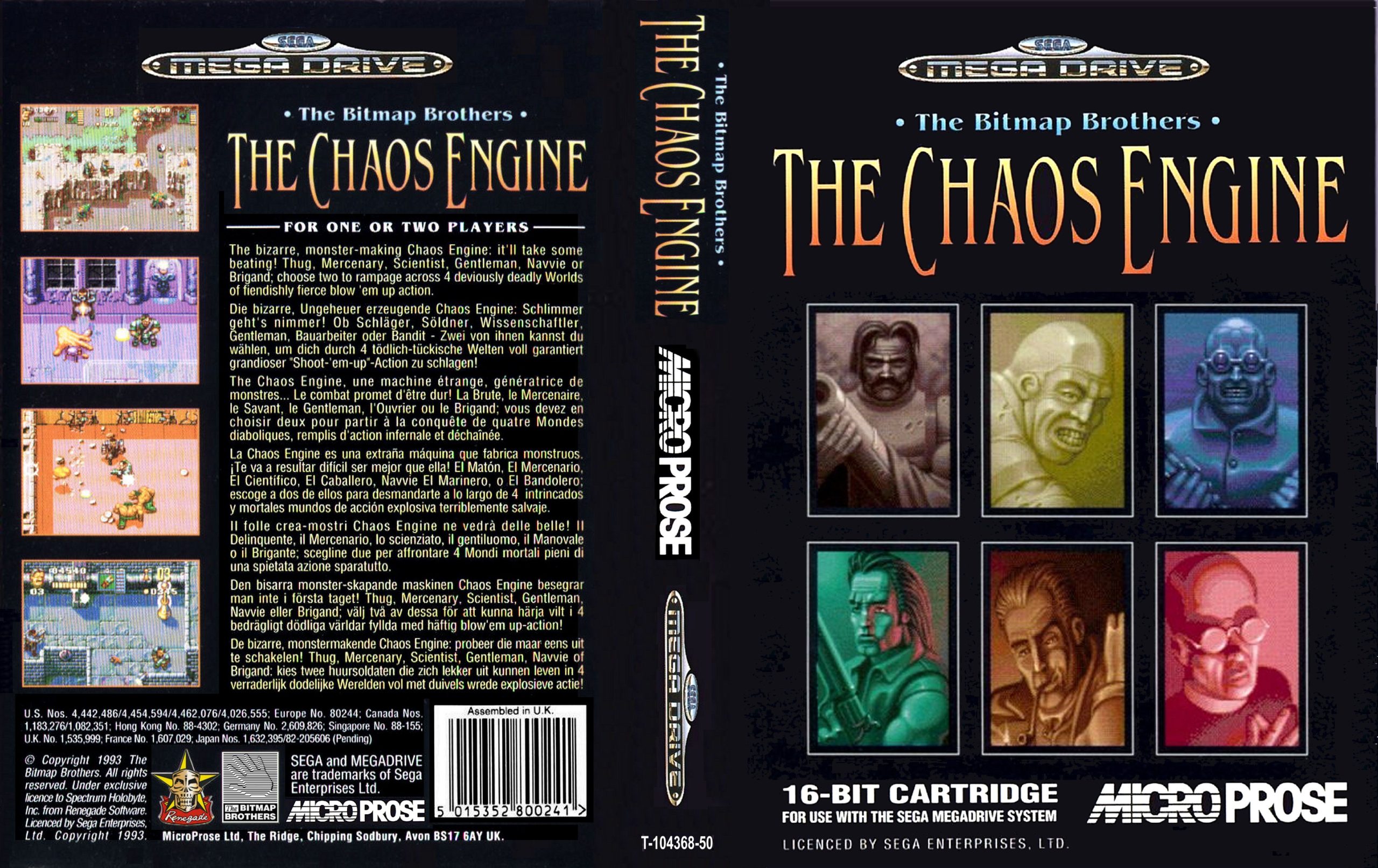
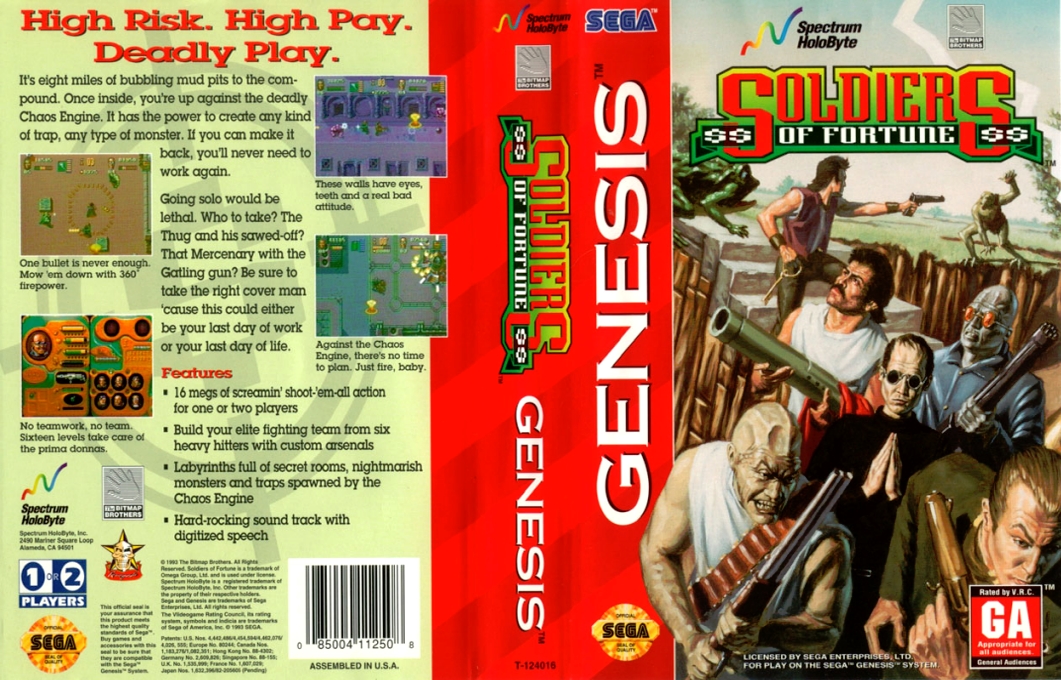
The Chaos Engine (aka Soldiers of Fortune) is the main inspiration, with influence by Cannon Fodder and Gauntlet here and there. Chui came up with the story idea, basically a shameless parody of what the World would look like if the USSR had won the Cold War… or more particularly, how movies and pop culture used to depict the communist bloc and that post-apocalyptic future back then!
Pre-rendered 3D sprites are a rare sight in 2D games today. What made you want to try that approach with Sovietborgs’s presentation?
To be honest, we wanted to try and make the most of our own resources. Abel has been a 3D designer for over 15 years so it made sense for us to model and animate the characters first, then turn them into sprites with the right colour palettes by using Chui’s custom tools.
What made you decide to build this game on Genesis/Mega-Drive, Dreamcast, Neo-Geo, AND MS-DOS all at once?
Madness! No, really, Dreamcast was always our plan as it is, say, the scene we came from, but we always wanted to develop for the Mega Drive. Neo Geo and MS-DOS came as the result of much internal discussion and our team members’ own personal preferences.
Development wise, it’s not that different from developing for 4 or 5 modern platforms, when you take their tech specs and differences into account. But Steam and others would take extra effort and means which, we think, would be better invested on our 4 target platforms. We’d rather offer buyers a better physical product they enjoy having in their hands instead of worrying about making ourselves heard in a market so huge and diverse as Steam or PS Store.
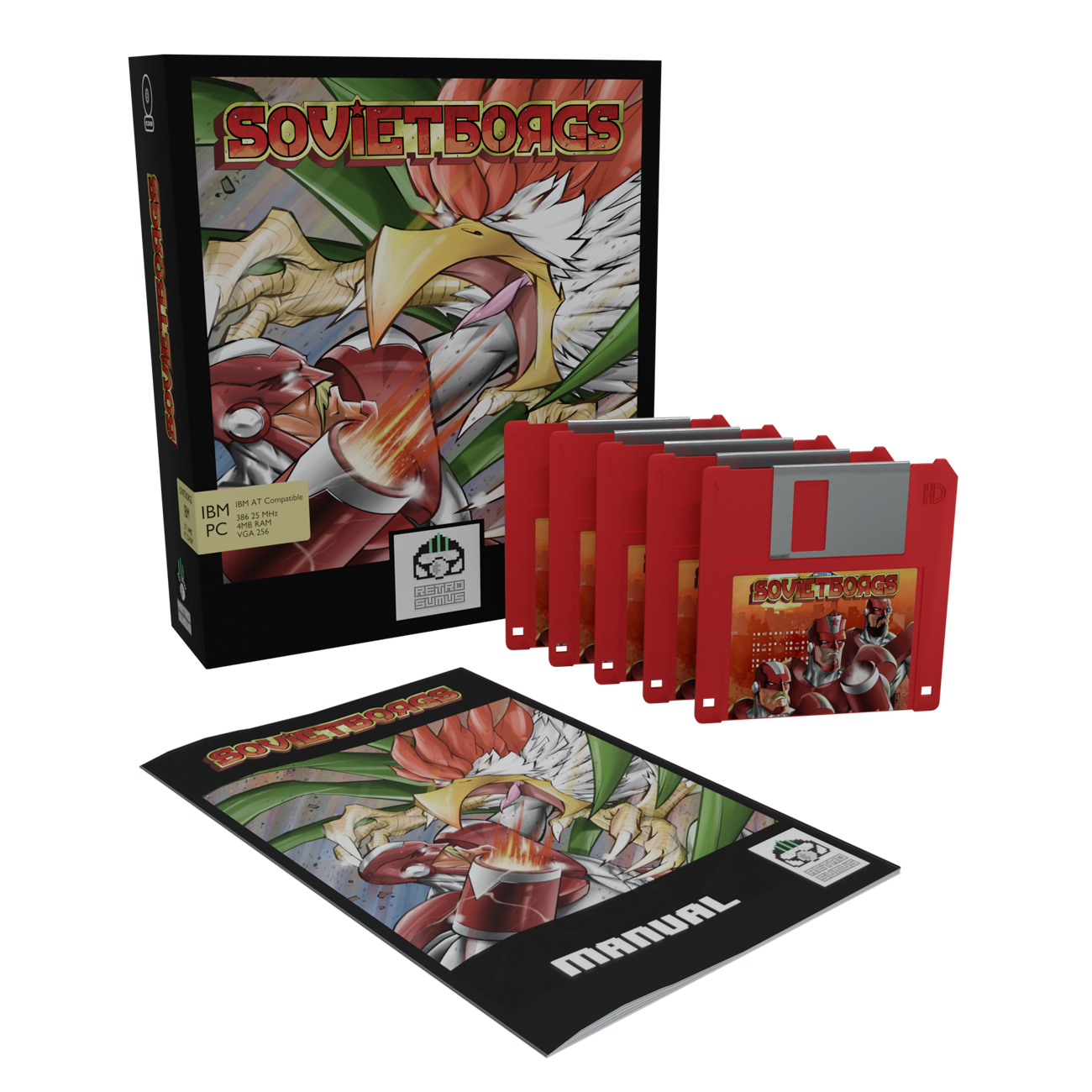
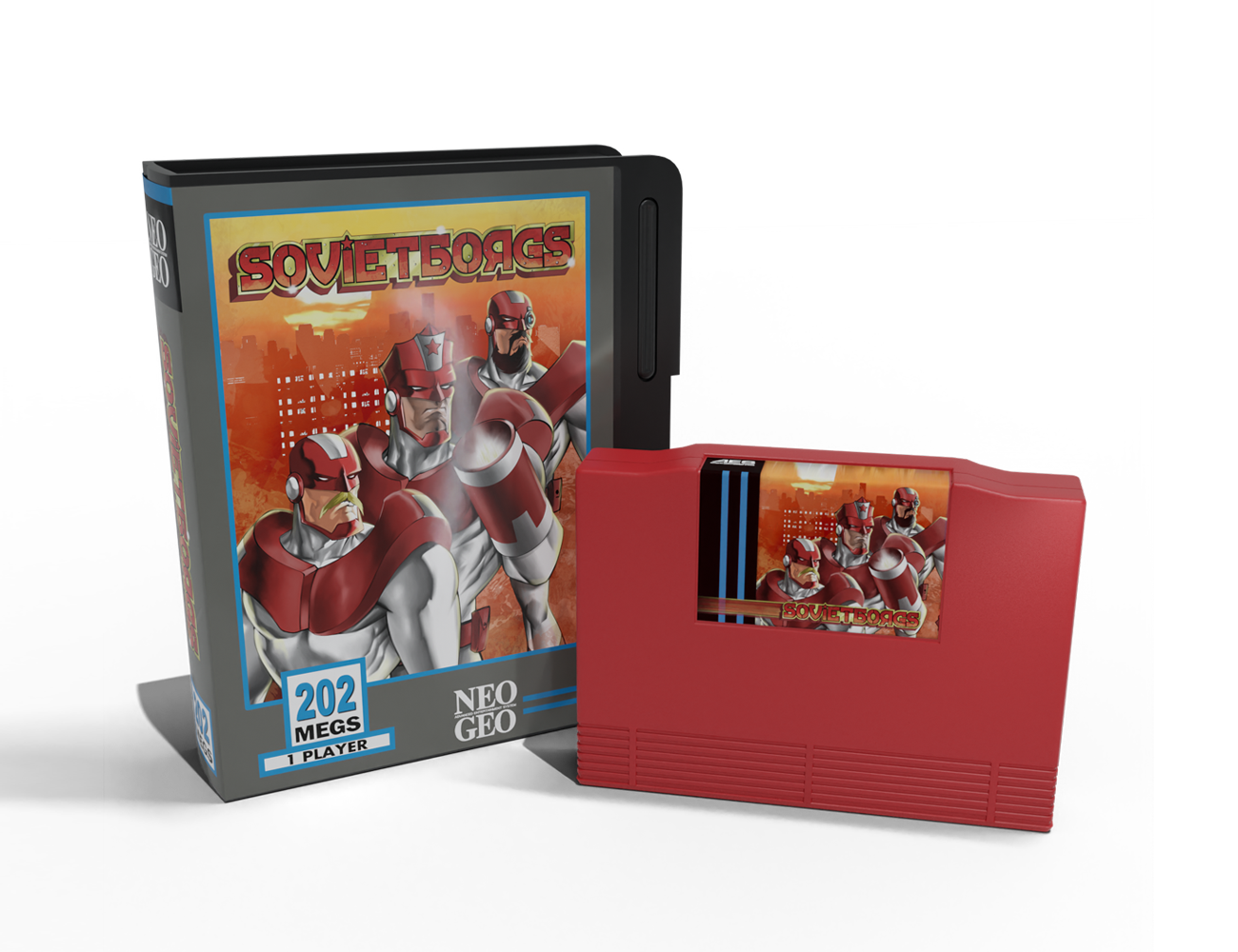
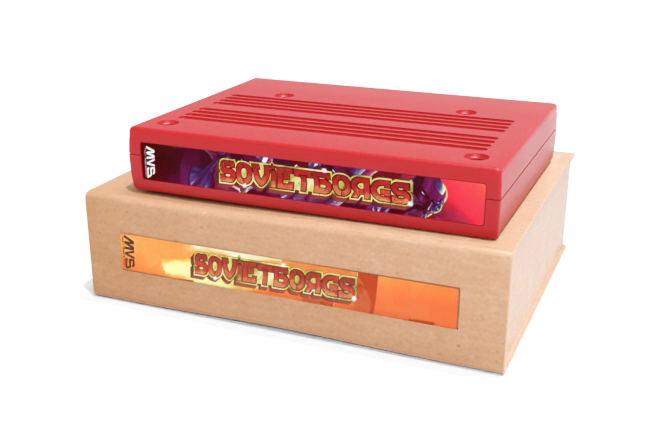
Are there any major difficulties with developing on those four platforms? How do you work around those problems?
It’s not exactly a surprise, but naturally, the colour limitations of the Mega Drive will always be a challenge. The music could be challenging too, but luckily you can produce really satisfying results if you know your way around the sound driver and tracker.
When developing specifically for the Dreamcast, you can feel tempted to add technical improvements all over the place, then remember you need to stick to 16 Meg of RAM, and so on.
In the end, hardware limitations and/or challenges will produce specific differences between versions that will make them each unique.
We’re seeing more indie creators working on new games for long-retired games consoles like Gene, as well as tools for developing such games, and Retro Sumus were among the pioneers of this modern resurgence. How do you feel being part of that?
Were we? I guess Xenocider really was ambitious as there had been no new 3D games for the system since the console’s premature death, and then we kept adding more and more content as we were never satisfied with it. If we were pioneers, or served as an inspiration for other teams or efforts, that’s really, really satisfying to hear!
Do you have any special advice for any other indie game developers reading this, regardless of whatever platform they’re developing for or what game they want to make?
A game will work so much better with your audience if it works well on one very simple fun mechanic, instead of trying to excel on too many things and not really doing any of them well. Most retro players and collectors would rather have, say, 6 fun and well built stages than 20 mediocre ones, or 4 likable characters than a very big roster of non-charismatic designs, and so on.
And always, always be communicative and honest with your audience!
Finally, back to Sovietborgs. What do you think is the most intriguing part of your game that players may especially resonate with?
We believe that, not unlike Vectorman back in its day, you really need to see the game in motion and play it yourself to experience the animation and the tight controls firsthand. Also, once the game is finished, we promise tons of unapologetic black humour and brainless parody.
You can help us make it happen! Pledge your support tovarishch!
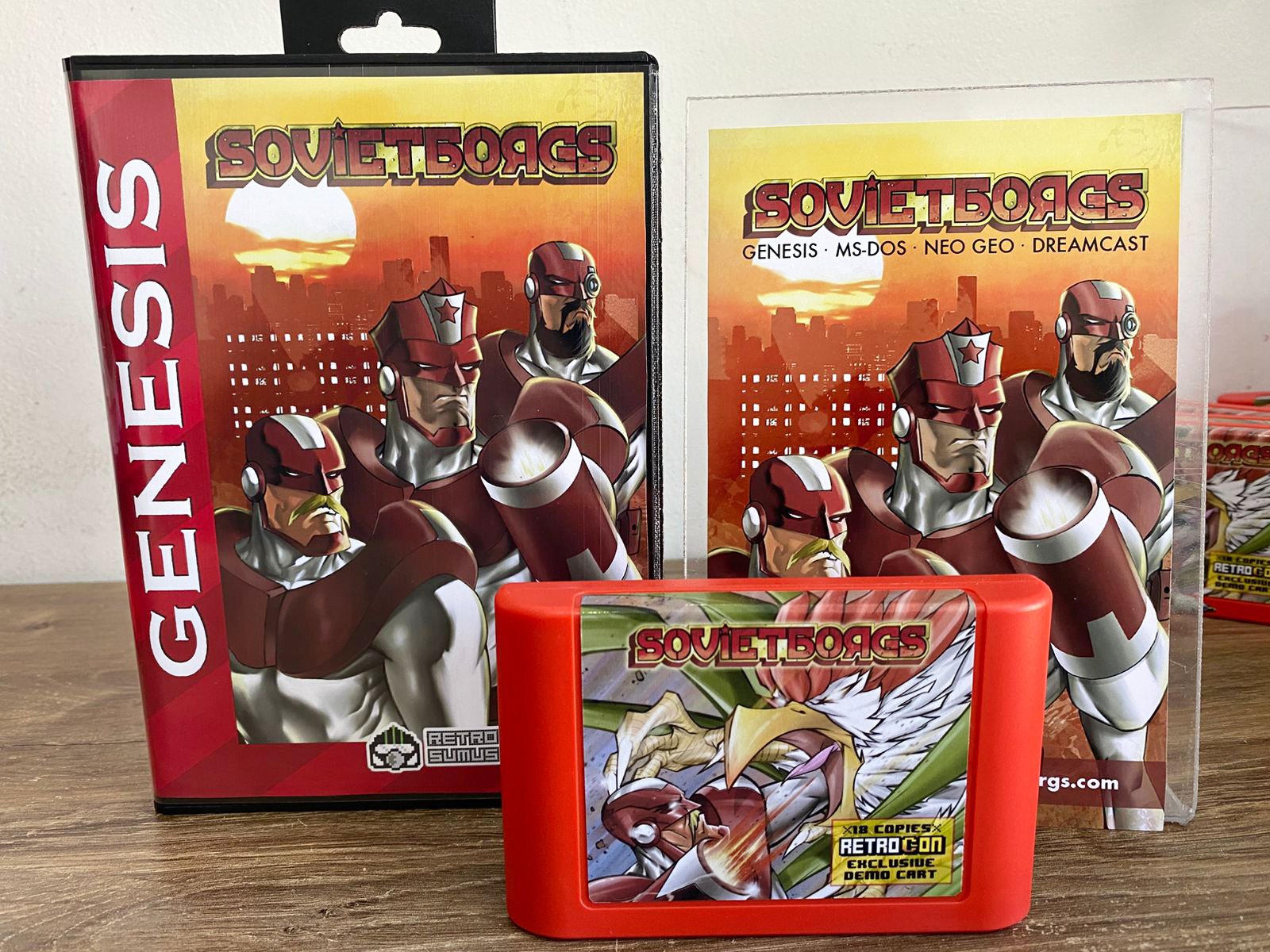
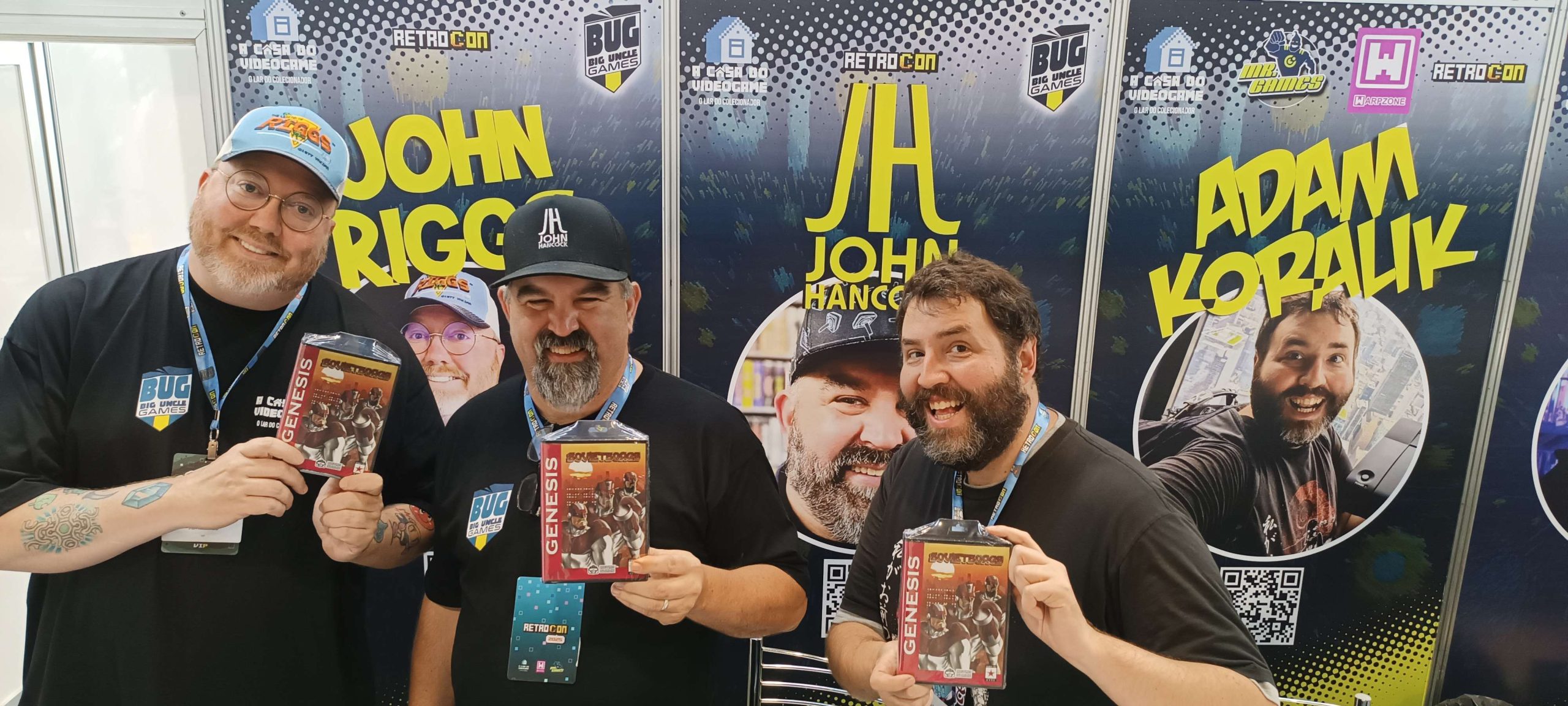
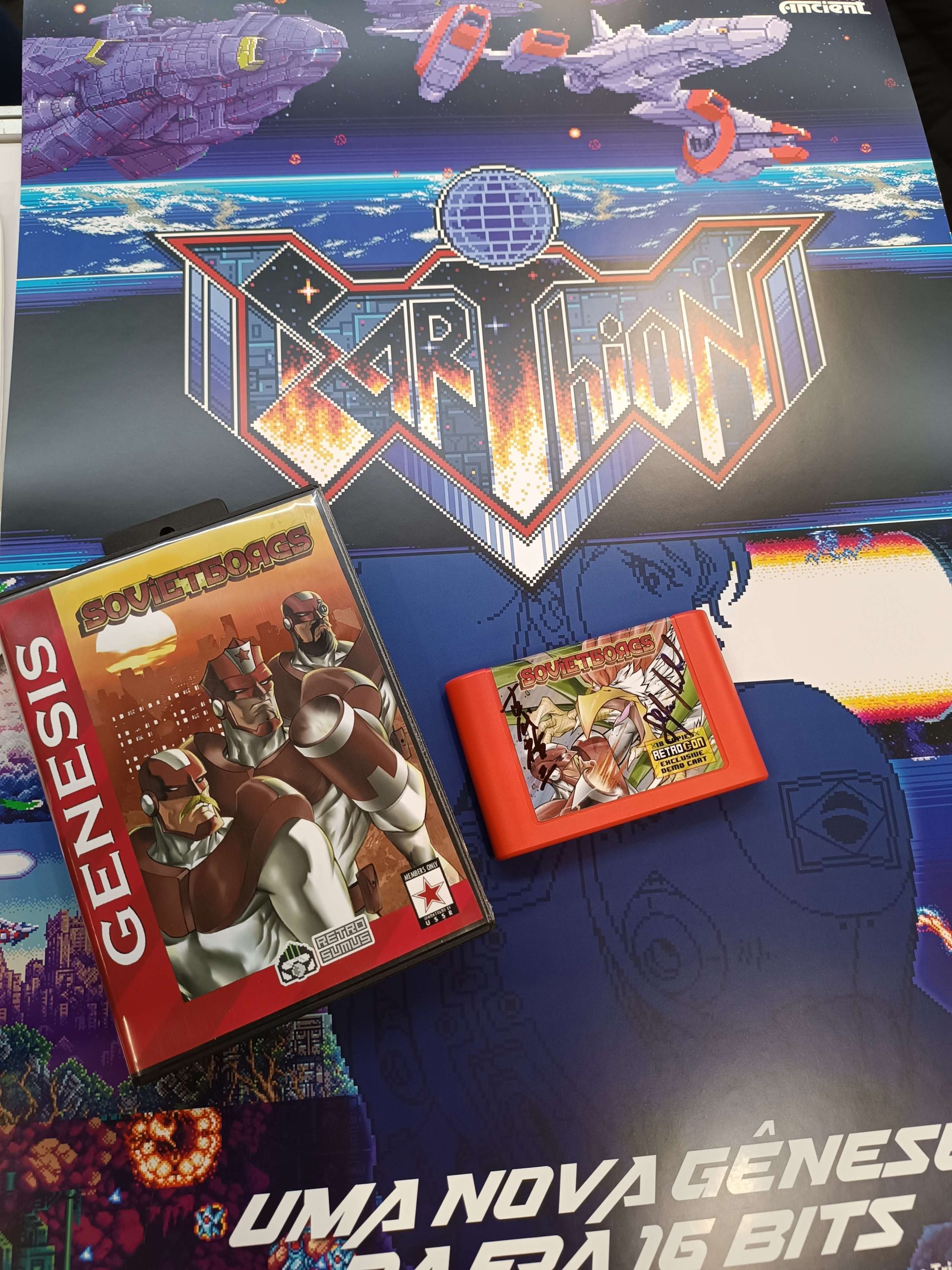
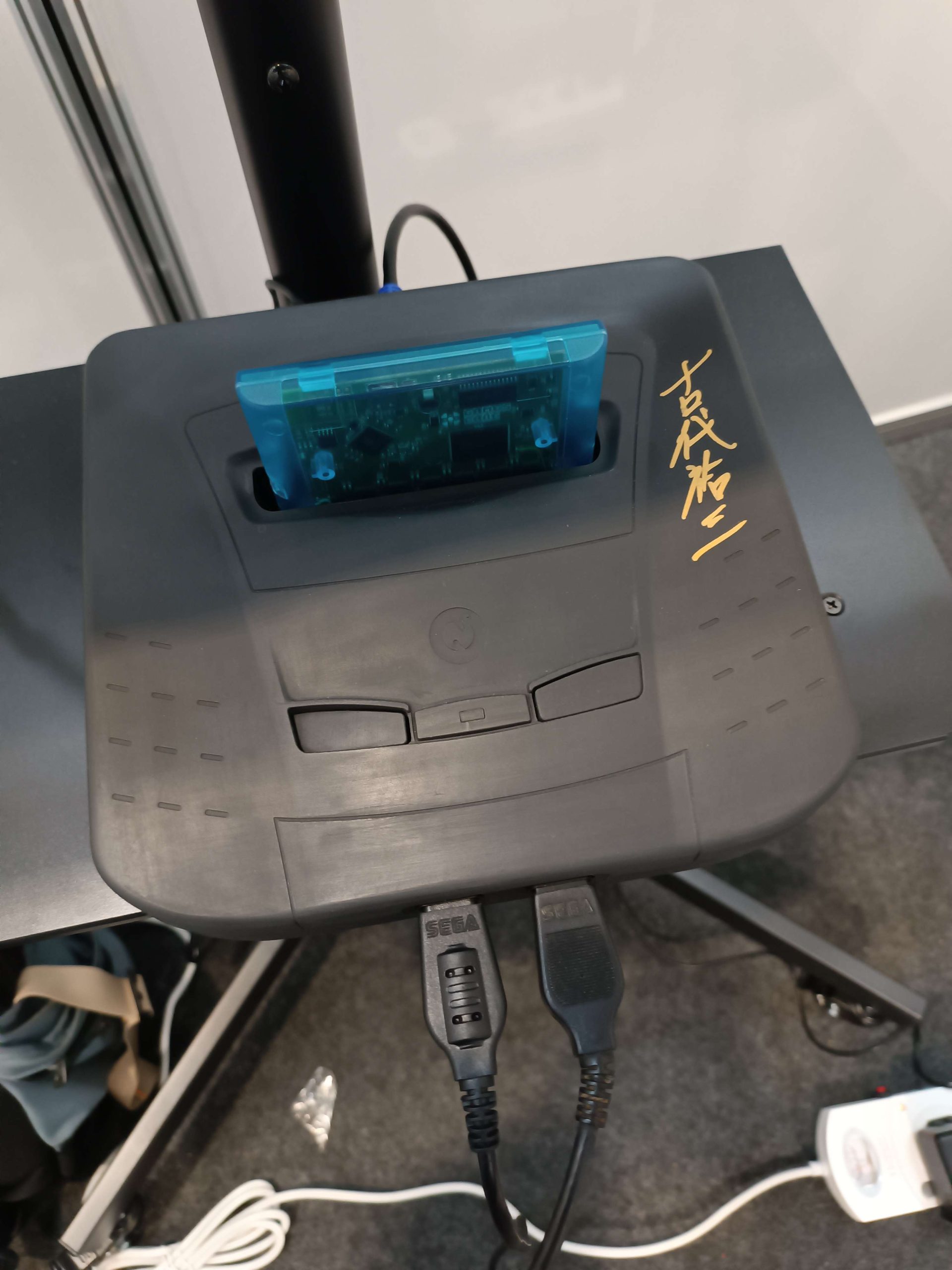
Now that you’ve made it to the end, here’s a series of pictures and videos of Sovietborgs at Retrocon, provided by Retro Sumus. Special thanks to them for providing these and for taking time out of their busy schedule to be part of this interview.
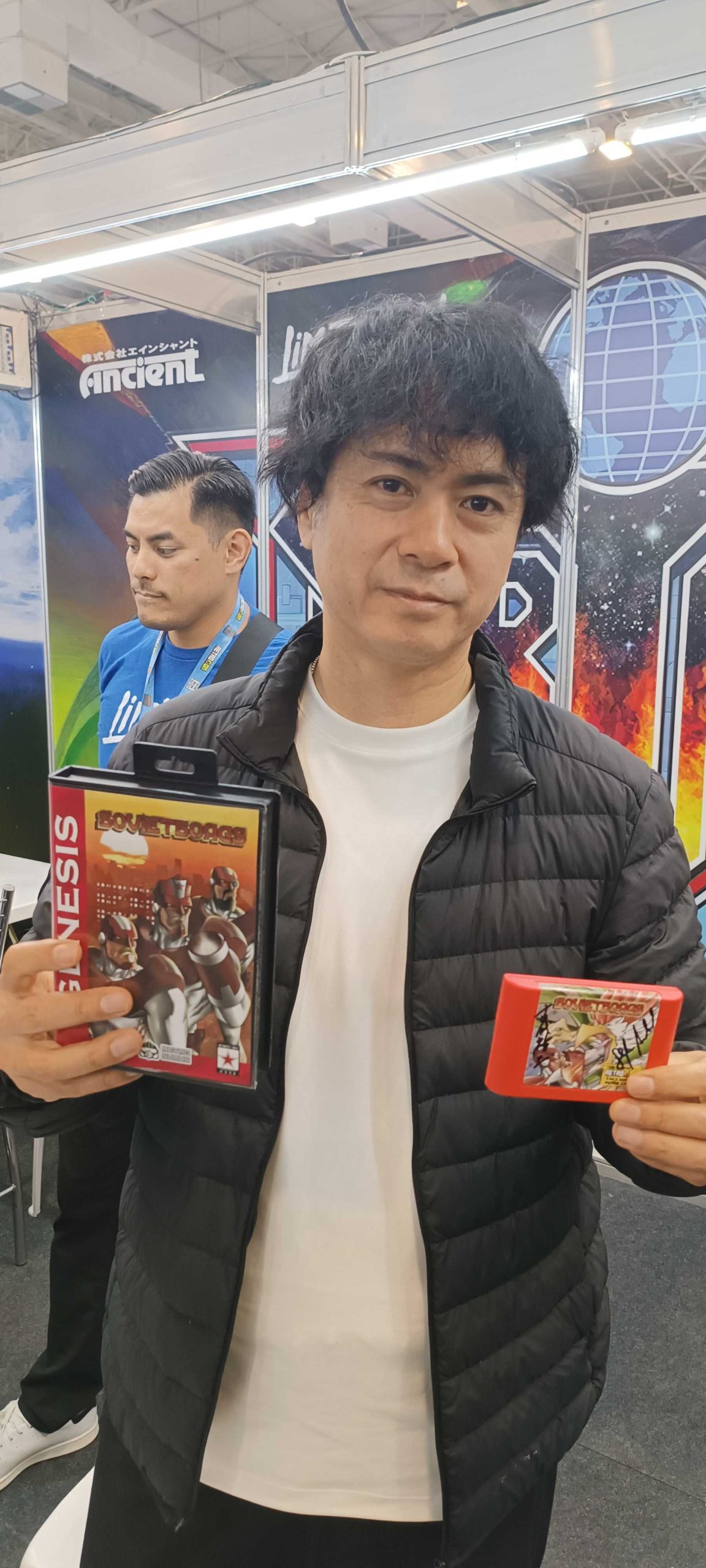
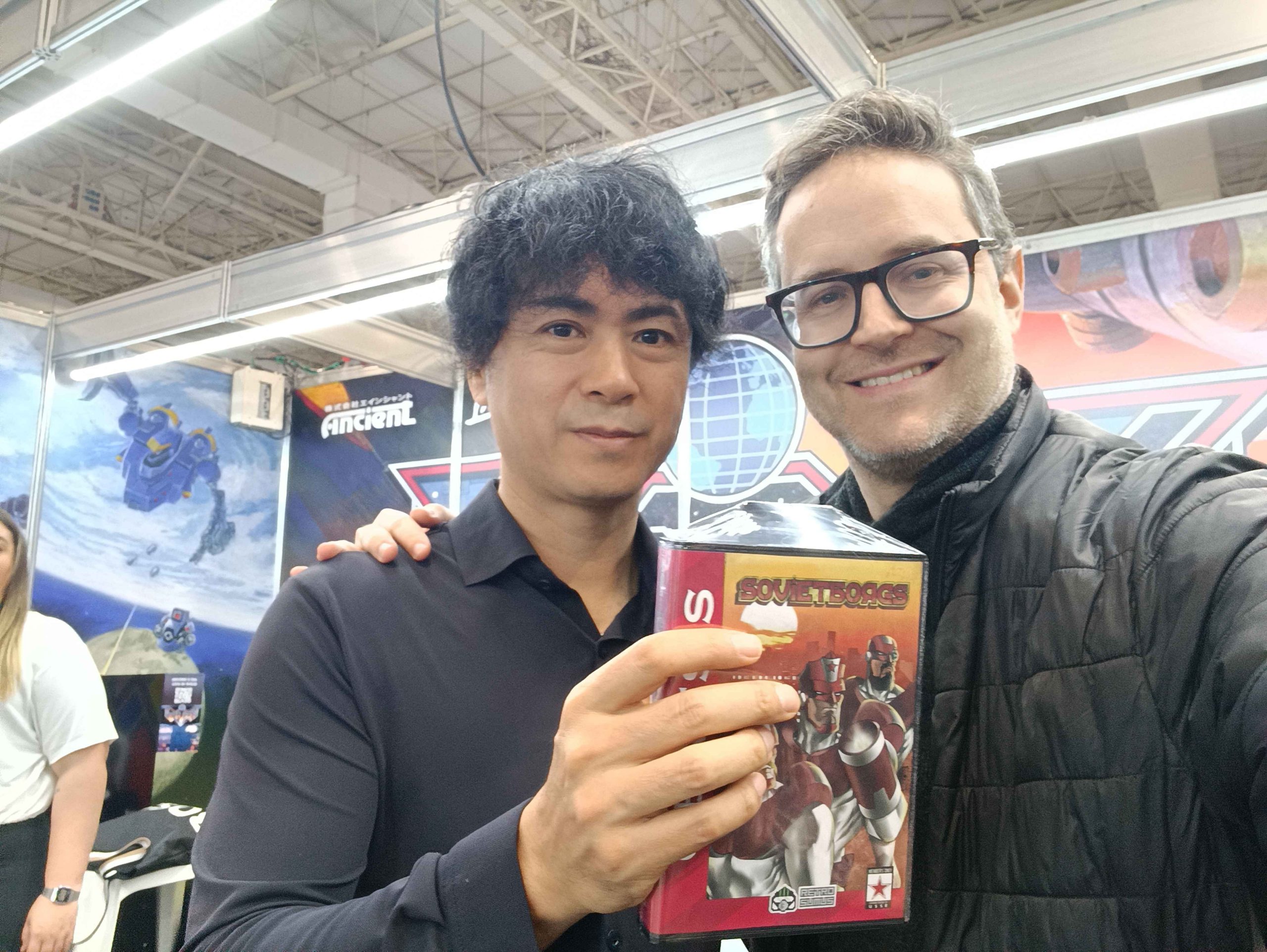





That photo of Yuzo Koshiro holding Sovietborg is surprising and so cool.
According to Retro Sumus, he took that copy home with him too. I think he liked it.