Retro Review: Ristar the Shooting Star

 Ristar title copy

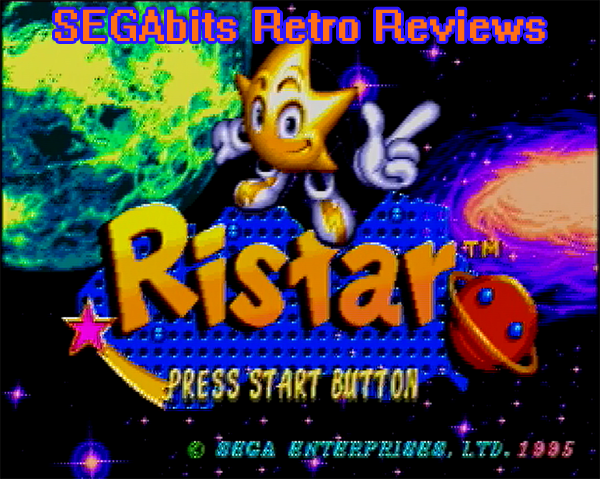
SEGA’s catalog is quite literally littered with spectacular characters and franchises that either never took off or never made it to the west. We each have our favorites and one of mine is a little game for the Genesis called Ristar, a glowing example of SEGA’s mascot aspirations that was unfortunately unable to find an audience.

Back in the early Genesis days, SEGA was looking for their Mario killer. After Alex Kidd failed to save the Master System from being anything more than a speed bump to the NES’s growing monopoly, SEGA knew it needed a mascot that could capture the imagination (and money) of gamers. As we all know, they would eventually come up with Sonic the Hedgehog. Along the way, however, they created some other concepts, including a bunny that could throw things at enemies. This concept would percolate within SEGA for years, until it was finally released in 1995 as Ristar.

My Life with SEGA kills some time on the SEGA Genesis with “Time Killers”

Introduction by A.J. Rosa: When Strata’s weapon-based fighter Time Killers hit arcades in 1992, my brother and I soon monopolized the cabinet. It was funny, violent, gory and ridiculously entertaining. Being SEGA boys, we were itchin’ to see this bloody whore ported to the Genesis, or even better, the SEGA CD. Hey, that was our new toy, and we thought it was AWESOME!

By the time it landed on our favorite 16-bit hero, 4 years had passed. SEGA Saturn, Sony’s PlayStation and the Nintendo 64 were already duking it out. On top of that, Time Killers had been surpassed by other fighters. Unlike its contemporaries, such as Street Fighter and Mortal Kombat, it didn’t receive an annual sequel to keep the franchise alive.

So, was this port worth the wait? Lauren and I will share our feelings with you as we try to hack each other into pieces. Like this video? Subscribe to the SEGAbits YouTube channel!

AGqhC BPwXNRS anPO

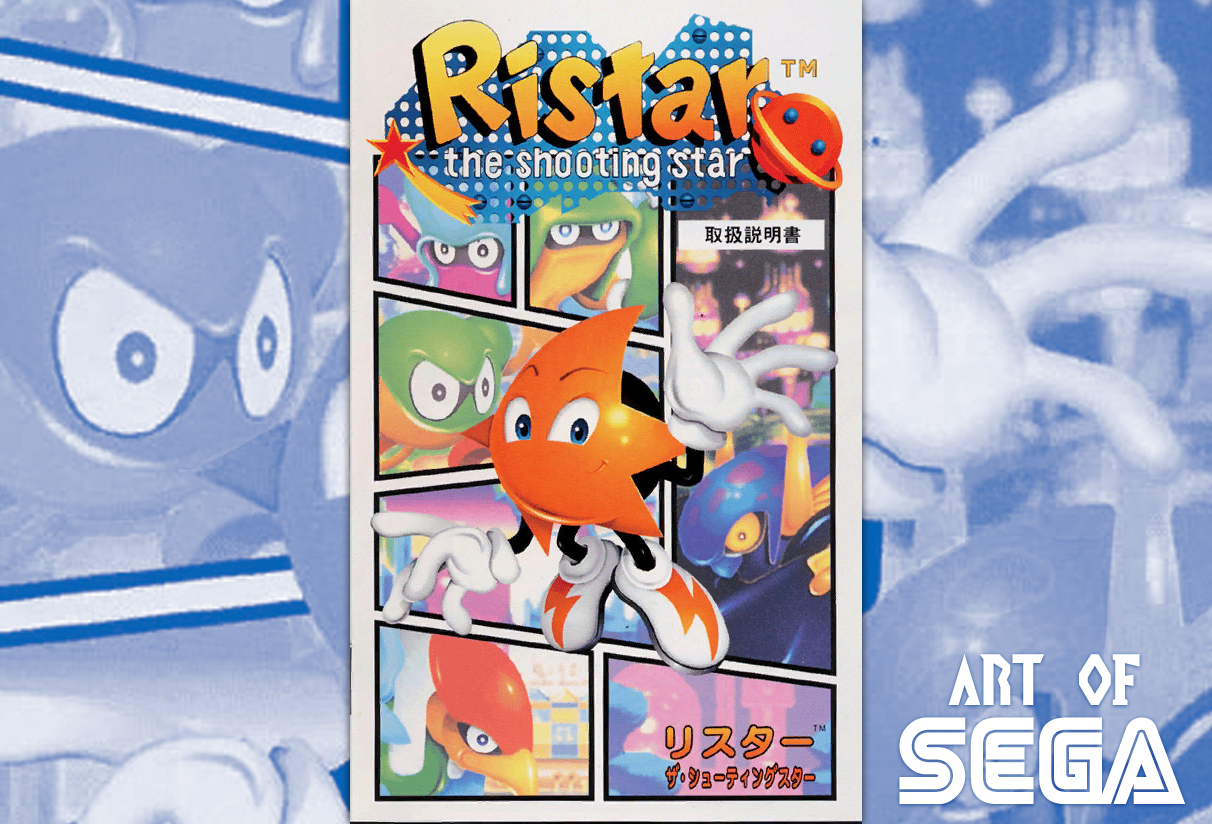
Art of SEGA: Ristar the Shooting Star

artofsegaristar
 
All Sonic fans are familiar with the work of Yuji Uekawa. He has been the franchise’s primary character designer for nearly two decades now, taking the reigns in 1996 with Sonic 3D Blast. He’s most notable for completely redesigning Sonic and his friends for the new millennium in Sonic Adventure, and has played a pivotal role in the character design of most Sonic and Sonic Team titles since then.

Before Sonic though, Uekawa had Ristar. He was Ristar’s lead character designer, designing all of the characters in the game including Ristar himself. Unfortunately, there is no art book for Ristar, so we had to rip the designs straight from the Japanese version of the manual, which is filled with beautiful illustrations of Ristar and other characters, as well as a few nice instructional comics and backgrounds. We’ll also be including the sprite artwork from the credits.

The character artwork was taken from SEGA Retro’s Ristar manual scans. The sprite artwork was ripped by Dr. Schnaps. The various bits of trivia and character information can be sourced to Ristar Cluster. Enjoy!

SEGA Retrospective: It’s Ristar Week, c’mon!

RistarWeek

I’d like to welcome you to Ristar Week! This week we’ll be focusing on Ristar’s depressingly short run as a video game star, looking back on the character’s two games. Sonic Team’s star-faced hero never got his due back when he first came around. Debuting just a few months after the release of the 32X and just a few months before the US debut of the Saturn, Ristar came out at a time when the Genesis was no longer a console SEGA was interested in selling. As a result, Ristar was ignored and became a cult classic. This week, SEGAbits will be giving Ristar his long overdue respect.

  First, though, a little history lesson.

Rumor: Project Y screenshots leaked?

py1

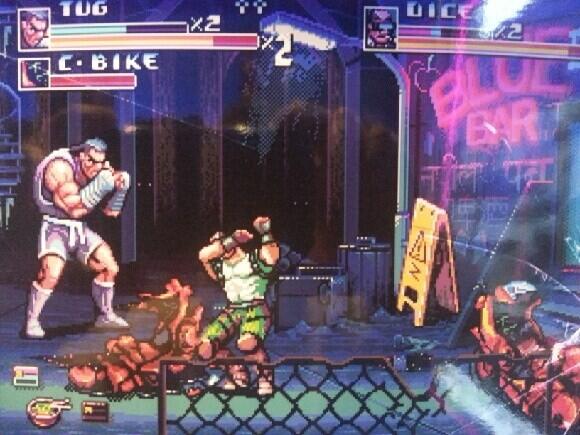
2014 truly is the year of the SEGA console, as both the Dreamcast and the Genesis will be receiving new games from several talented indie developers. Indie developer WaterMelon Games, the creator of Pier Solar for SEGA Genesis and soon to be released on the Dreamcast, is currently at work on a new RPB (Beat ’em all, with elements of an RPG) entitled Project Y. Apparently, screens from the game have been leaked on Twitter. WaterMelon Games has yet to confirm whether or not these screens are real, but if they are, this game is looking to be a real beaut!

2014: The Year of the SEGA Console – join us as we celebrate SEGA hardware all year long!

YOTC
Twenty-five years ago, the SEGA Genesis graced American shores, where it would come to dominate the console market for years and make SEGA a household name. Twenty years ago, the Saturn was released in Japan and went on to become SEGA’s biggest success in their home country, though success that would unfortunately not be repeated abroad. That same year, the SEGA Pico and 32X left some US gamers scratching their heads as they introduced weird concepts of what gaming hardware could be. Finally, fifteen years ago on 9.9.99, SEGA released their swan song, the Dreamcast.

We at SEGAbits love a good anniversary, and 2014 is full of them. Throughout 2014, we intend to honor these core pillars of SEGA’s hardware legacy with 2014: The Year of the SEGA Console. We’ll be devoting entire weeks to certain games, entire months to certain consoles, and we have several special guests planned for the SEGAbits Swingin’ Report Show. We’ll write about the Genesis and how it introduced many of us to SEGA. We’ll look back at SEGA’s quirky art house console, the Saturn, and the many ups and downs the console experienced. We’ll remember the Dreamcast for the good times and unique and innovative experiences it delivered in the twilight years of SEGA’s time as a platform maker. We’ll give the 32x some overdue respect. Finally, we’ll all get SEGA Picos so that we can tell you about games like Tails and the Music Maker and The Great Counting Caper With the 3 Blind Mice!

Hope you’re looking forward to 2014 as much as we are, it’s gonna be a blast!

Help kickstart SEGA Mega Drive/Genesis: Collected Works

2013 appears to be the year of SEGA Kickstarter campaigns. We’ve had Not Enough Rings, Redux: Dark Matters, and now we have SEGA Mega Drive/Genesis: Collected Works. Darren Wall, the UK man behind the campaign, is attempting to create what he describes as the “definitive volume” of the SEGA Mega Drive. The end product will be a book, officially licensed by SEGA, containing “an unparalleled treasury of production artwork, interviews, development sketches and hardware manufacturing plans”. The project also promises:

It will also include over 20 exclusive interviews with original SEGA team members – many of whom have never been interviewed before – a foreword by industry legend Dave Perry and an insightful 10,000-word piece by Keith Stuart (Games Editor for the Guardian and regular contributor to Edge) on the machine that changed the landscape of gaming forever.

The book will showcase a wealth of SEGA’s 16-bit titles, from blockbuster games such as Bare Knuckle/Streets of Rage, Sonic the Hedgehog, Phantasy Star, Gunstar Heroes, The Super Shinobi/Revenge of Shinobi and Golden Axe through to cult gems such as Rent-a-Hero, Vectorman and DecapAttack.

Darren Wall shouldn’t have any problem with meeting his £30,000 goal, as at the time of writing this there is 27 days remaining and he is only £10 away from completion. Head on over to the campaign page and show your support! We’ll keep you updated on the project as it progresses.

SEGA Retro Spotlight: Happy 25th anniversary to the SEGA Mega Drive

SMD
 
Twenty-five years ago today, SEGA released what was arguably their most beloved and popular console: the SEGA Mega Drive.

Since April 1st of this year, SEGAbits has been teamed with Sonic Retro, the internet’s best resource for all things Sonic the Hedgehog. But the folks at Sonic Retro didn’t want to limit themselves to just Sonic, and so the SEGA Retro wiki was born. SEGA Retro covers anything and everything SEGA, from hardware to games to arcade titles. Despite being less than four years old, the wiki has amassed nearly seven thousand articles and continues to grow. The SEGA Retro wiki has been just a click away from SEGAbits, by selecting “Info” from our navigation bar, but we wanted to go one step further and highlight the many excellent wiki entries in a new SEGAbits feature entitled “SEGA Retro Spotlight”.

Given the significance today has for SEGA history, we’re going to highlight SEGA Retro’s entry on the SEGA Mega Drive.

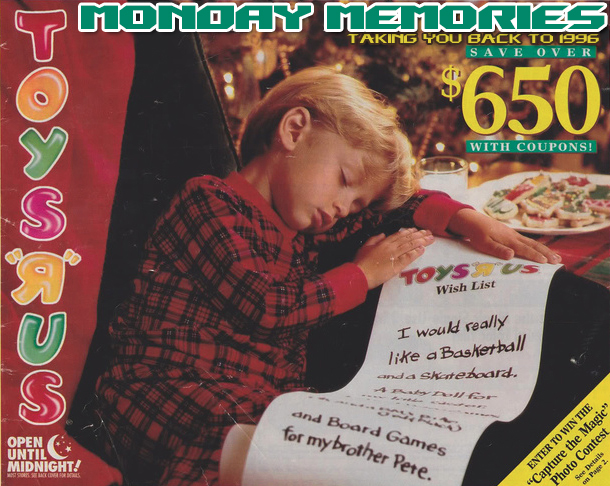
SEGA Memories: A look back at Toys ‘R’ Us’ 1996 holiday video game catalog

MondayMemoriesToyRUs
Its almost that time of season where most kids are waiting to tell their parents what modern day war shooter they want under their Christmas tree. Its also the time where older folks, like ourselves on the site, think about our previous holidays and how we used to make our parents waste hoards of cash to buy our affection. Wasn’t that great? Well this week on Monday Memories we will look at the 1996 holiday Toy ‘R’ Us video game catalog. I remember these where awesome as a kid, it was like window shopping for games in my underwear.

Mac Senour talks about how SEGA almost passed on Gunstar Heroes

937250_200612011_screen001
Imagine now if SEGA never published Gunstar Heroes, the first game by then brand new studio Treasure Co? That was almost the case according to a brand new interview with Mac Senour over at SEGA-16.

“12 people looked at it and passed before it got to me. If I didn’t pick it up, he was going to be rejected. I played it for five minutes, maybe less, and threw the controller on the floor and said “this is game of the year.” Every one in earshot laughed.” – Mac Senour

According to Marc, the only thing he asked the developers to change was a boss character that was basically Hitler. Those Japanese people, they love putting Hitler in all their media.

“I was the last guy; if I said no then it would have been canceled. They spoke no English, so I had to go through my contact at SOJ, Henry Geison. Henry and I became friends when I was developer tech support.” – Mac Senour

I know the gaming industry was way different back then, but I seriously don’t know how more than twelve people could pass on a classic like Gunstar Heroes?

Earthworm Jim joins Boogerman in his 20th anniversary kickstarter

945e82a51bb54de36f14469740d61390_large
 
Seems that some kickstarters (sometimes) run on pure nostalgia, case in point: Boogerman. Do you remember this 90’s not so classic video game? I mean, I  get nostalgic when I see the box but I know the contents inside that box were garbage.

Boogerman wants to celebrate its 20th anniversary in style, so they are featuring a better 90’s hero in the game’s co-op mode: Earthworm Jim. Who doesn’t love the worm?

Boogerman 20th Anniversary kickstarter says that the game is a brand new HD adventure by the original creators. Worth funding? Let us know in the comments.

SEGA Tunes: Outrun 2019’s Victorious and Feel the Beat

Screw the people who criticized the Genesis’s sound capabilities: they’ve clearly never heard Outrun 2019. This is the sort of soundtrack you want to listen to when your cruising down a road at 500 miles per hour! 2019 is one of the better examples of Genesis music I’ve heard, but I suppose I shouldn’t be surprised. Outrun has a heck of a legacy when it comes to video game music, especially since the original game probably has one of the best SEGA arcade soundtracks out there.

Hope you enjoyed Victorious! Please go below the fold for another awesome track, Feel the Beat.

SEGA Memories: Wacky Worlds

Wacky Worlds_009
These days, gamers can be quite adamant about the legitimacy of video games as an art form. I certainly wouldn’t disagree: a case can be made that making great video games requires just as much creativity as any book or movie. But I think what often gets lost in this pursuit to prove that the video game is a form of artistic expression is the fact that video games are also, essentially, toys. Especially games from the 80s and 90s, and Wacky Worlds was one of my favorite toys from the 90s.