
Happy New Year, Sega fans! What better way to ring in the new year than with a new Dreamcast game to play online!?
Sega’s medieval real time strategy game Hundred Swords, has just had its online multiplayer features brought back online. This effort comes from the familiar Dreamcast Live hero Shuouma, who had previously brought games like Outtrigger, Sega Tetris, Speed Devils: Online Edition, and even the unreleased Dee Dee Planet back online.
The only downside here is that Hundred Swords was only released in Japan and no fan translations were prepared to coincide with this online multiplayer restoration. Without a decent grasp on the Japanese language (including kanji), you and the up-to-3 other players you’ll be playing with might be fumbling around through menus and such until you figure out what to do and how to do it. If you’re familiar with RTS games like Command & Conquer or Age of Empires, which this game was inspired by, the interface and basic goals may still be familiar to you. Prepping the game for online action is still simple, unless you wish to use your Broadband Adaptor, which Hundred Swords is sadly not compatible with. Go get your DreamPi ready and journey with me past the break to find out more.
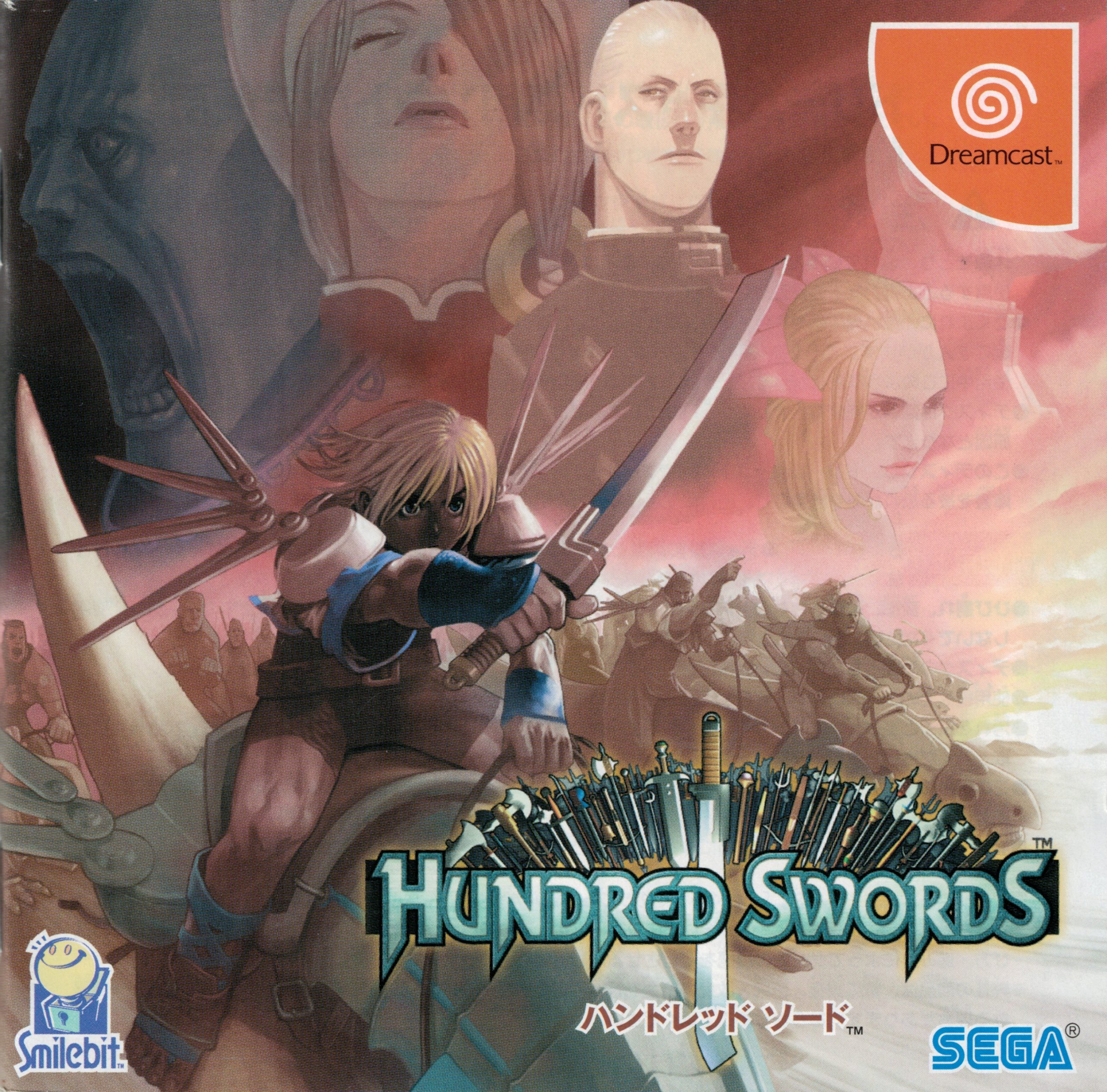
Hundred Swords (2001) was developed for Dreamcast by Smilebit and released only in Japan. Yes, that’s the very same Smilebit that brought you Jet Set Radio and Ollie King and featured developers from the Panzer Dragoon series. In fact, the character designs in this game may remind you a lot of Panzer Dragoon and GunValkyrie. Hundred Swords was one of those games developed with the sole intention of leveraging the Dreamcast’s online connectivity features and was inspired by the rising popularity of online-enabled RTS games on PC from the time like the previously mentioned Command & Conquer and Age of Empires. This is actually a style of game Sega still excels at today with the Sega Europe owned Creative Assembly known for providing us for years with the Total War series, but Hundred Swords is a very different vibe than that.
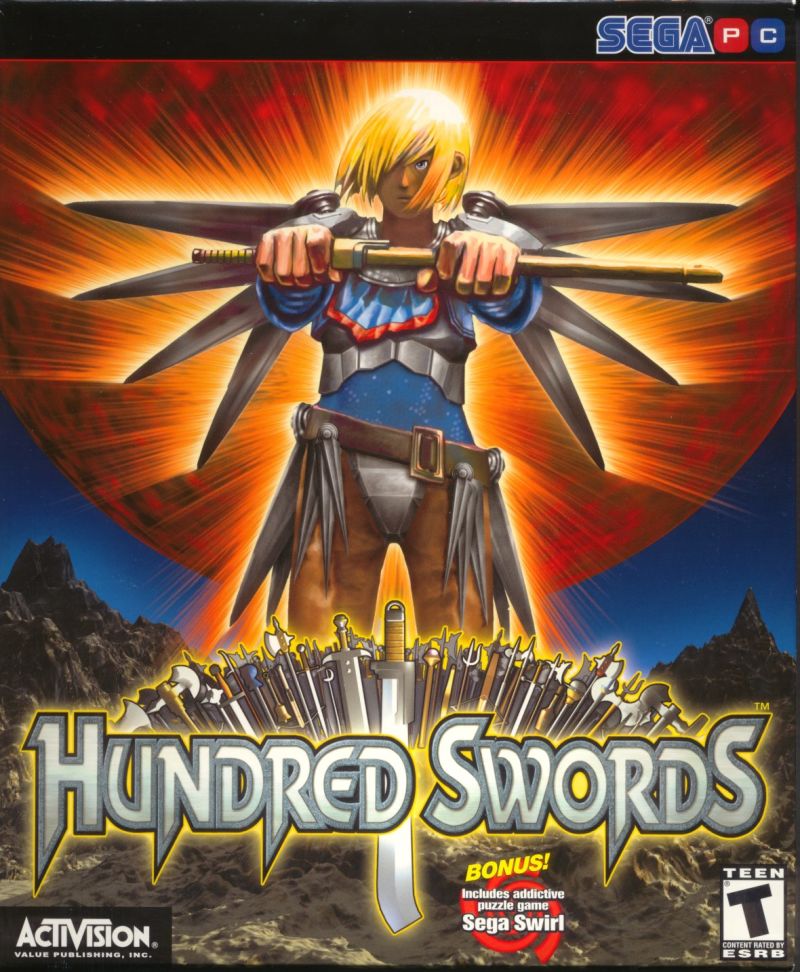
While the Dreamcast version of Hundred Swords stayed in Japan, some of you may know Sega had prepared a PC version that did release internationally in English with Activision publishing in North America. That version of the game also had online multiplayer, but it operated over a different network from the Dreamcast version. Dreamcast Live only supports the Dreamcast release, needless to say, and the two versions were not cross compatible.
As per usual, you can check out Dreamcast Live’s Connection Guide to get your Dreamcast set up for online connectivity through their network, if you’ve never done it already. They also host a version of Hundred Swords patched to connect through them on their download page. You will also need to update your DreamPi to version 2.0 or higher. For those unaware, a DreamPi is an in-between device made with a Raspberry Pi single board computer that lets your Dreamcast modem operate over a modern broadband connection. The official Dreamcast Broadband Adaptor can also connect to Dreamcast Live if you have one, but it only works for games originally programmed to take advantage of the Broadband Adaptor, and Hundred Swords is unfortunately not one of those games. Don’t forget to also look at Dreamcast Live’s full list of supported games, in case there’s any others you have.
So have you played Hundred Swords before? Are you a fan of other RTS games? What online Dreamcast game are you hoping Dreamcast Live brings back next? Let us know in the comments below.
Related posts:
 First brand new online Dreamcast game in 2 decades, Driving Strikers, now available for purchase
 Daytona USA 2001 online multiplayer restored thanks to Dreamcast Live
 Sega Tetris online multiplayer restored through Dreamcast Live
 Dreamcast racer Speed Devils: Online Racing back online thanks to Dreamcast Live
 Power Smash online functionality restored thanks to Dreamcast Live
Very cool!
don’t they have the game on PC?
lol never mind just saw art for the PC
The PC version was an inferior port of the native Dreamcast original, ‘redistributed’ by Activision based on SEGA granting a licence as it was a SEGA game, meaning SEGA controlled the world, characters and developed and owned all the assets in-game.
Why did SEGA licence it out rather than distribute it themselves?
Because SEGA still had very limited presence in the PC market at the time of its own when they made Hundred Swords, and it also had a similar arrangement worked out with THQ and Acclaim as well as Activision at the time for the same reason, as they all had a PC market presence that SEGA still didn’t in comparison to the arcade and console markets.