
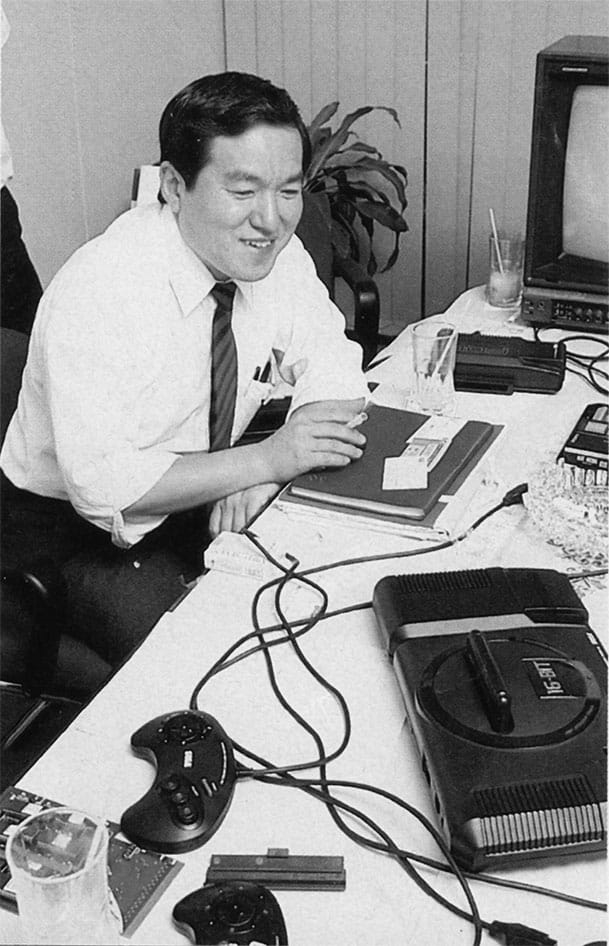
On February 13th, 2026, the main designer of every Sega home console, Hideki Sato, passed away at the age of 77. News of his passing was first reported over that weekend by Japanese gaming news outlet Beep21, then later by a few English language news outlets like Kotaku.
Sato-san was the main man behind the overall design of all of Sega’s home consoles. The SG-1000, Mark-III/Master System, Genesis/Mega-Drive, Saturn, and Dreamcast were all designed by him and would, undoubtedly, be very different forms of tech without his influence. He fully took charge of Sega’s R&D department as part of that job during the Genesis years. Before all that, however, he had worked on arcade hardware at Sega right after joining the company in 1971 straight out of Tokyo Metropolitan Technical College. He would also serve as the company’s president from 2001 to 2003, as Sega was making their rough transition from a console hardware company to just a game development and publishing company, where his penchant for leadership was especially crucial.
While he may not be the only man responsible for these consoles being the way they were, he was still a highly important figure in their construction. His intuitive thinking drove Sega’s hardware team to push boundaries and construct beautiful designs that stood the test of time. That forward thinking became part & parcel of the kind of philosophy that drove Sega and won them so many lifelong fans throughout the decades. No matter what your favorite Sega console is, you can thank Sato-san for just about anything you love best about it.
If you’d like to hear more about this legendary designer, you can read more after the break. For now though, on behalf of Segabits and Sega fans all over the world, I will give personal thanks to Hideki Sato for his services to gaming. I can only hope his final hours were peaceful and that he may rest in peace now. Much condolences go out to his surviving friends and family as well.
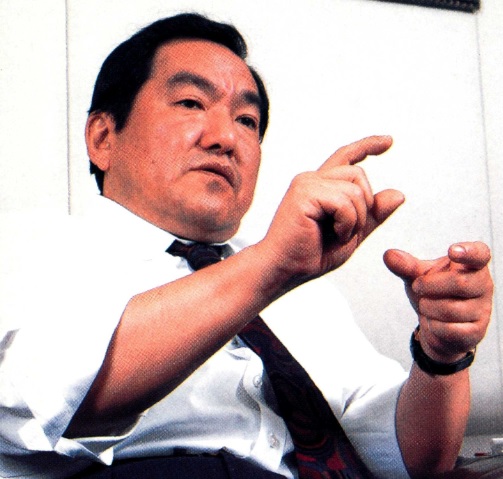
Hideki Sato was born on November 5th, 1950 and began his long career at Sega Enterprises Ltd. in April of 1971 at the ripe age of 20. This was right around the time that Sega was beginning to make their start in making arcade games and Sato was among many people tasked with bringing those games to life for many years. He was also among the many arcade staff tasked with putting together Sega’s earliest home consoles.
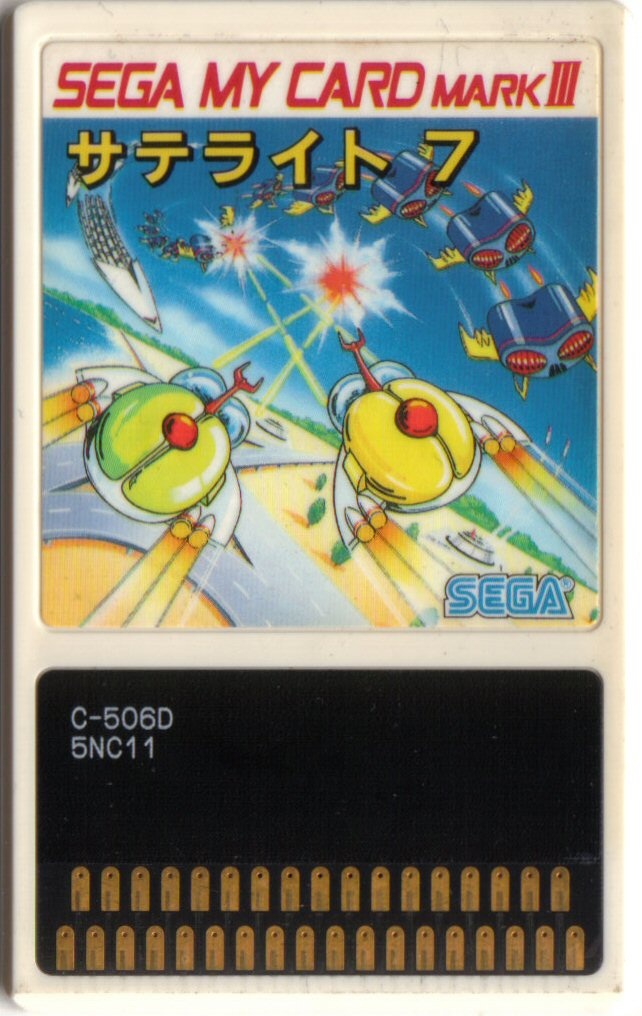
Sato was especially proud of the MyCard format games developed for the SG-1000 and Mark III/Master System. He believed the more compact form factor made it easier for kids to bring their games to a friend’s house to show them or lend to them. He also preferred the cards because he personally believed the SG-1000’s cartridges looked to him like tombstones sticking out of the ground after being placed in the console, a bad omen for the console’s failure. Sato was also reminded of the MyCard format after card-like data storage formats such as the PCMCIA card were introduced for computers. To him, this was a sign that My Card was one of many incredible Sega innovations he had a hand in that also happened to be too ahead of their time.
The Master System’s market failure is what gave Sato his big break. Having already worked his way up through the cooperate ladder at a good pace by then, Sega trusted him and his team to make something really special to succeed the Master System. Sato knew they couldn’t pull any punches if they wanted any hope of competing against Nintendo’s market domination with the NES/Famicom, especially with news that the 16-bit successor to that console, the Super Nintendo Entertainment System, was on the way. Without much budget or time to create something, he decided to repurpose already existing technology that was at least good enough to present itself as an obvious upgrade from 8-bit hardware and settled on converting the Sega System 16 arcade board into an affordable home console. Motorola’s 68000 CPU, the main processor of the that arcade board, had also dropped significantly in price since it was a couple of years old by then, aiding this new console’s affordability.
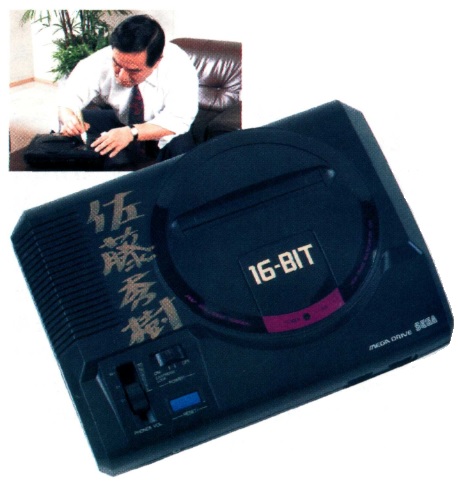
The result of that brainstorming was the Mega-Drive, a console not only capable of impressive conversions of arcade games from the day, but also backward compatible with Mark-III/Master System games so that Mega-Drive owners could pad out their library with already available 8-bit games while new 16-bit games were still being prepared. Sato also believed that the console had to stand out visually as a high spec piece of tech and not just produce impressive graphics and sound to make a splash, so he had the console designed with inspiration from hi-fi audio systems. He also made a point to add the words “16-BIT” in bold golden lettering to the Mega-Drive to help illustrate to customers what a hot new piece of tech this was compared to what was available before, something Sato admits himself was very expensive. This was in stark contrast to the Famicom’s highly toy-like design, which even Nintendo of America felt would not work outside of Japan, prompting them to redesign the NES into a VCR-like design that looked nothing like the Famicom, but would be taken more seriously as a piece of tech for westerners.
The Mega-Drive may have floundered in Japan, but it was a mega hit in western territories, especially in North America where it was instead known as the Genesis. For the first time in video game history, another company had actually overtaken Nintendo in market dominance, even if just for a brief time, and that company was Sega thanks in part to Sato’s ingenuity. Sega awarded Sato handsomely by appointing him the new Managing Director and General Manager of Hardware Development and Design in June, 1993. From that position, he would go on to design the Saturn and the Dreamcast with similar forward thinking, hi-tech design focused inspirations. He would then be appointed to Vice President and Representative Director in 2001.
Sadly, 2001 was right as Sega announced they were leaving the console race and calling it quits on the Dreamcast. Following then company president Isao Okawa’s sudden death that same year, Sato would suddenly be promoted from Vice President to President and tasked with leading Sega through their transition to a third party home software developer, a testament to how much respect and trust he had earned within Sega by then. While the failure of Sega’s last two consoles may have been a gut punch for him, he managed to hold onto a positive outlook and see Sega through a turbulent period of change. He would also be the one to sign the deal to merge Sega with Sammy Corporation and then relinquish his position as Company President to Sammy’s own Hajime Satomi in 2004. Sato would then live out his last couple of years with Sega as Vice Chairman.
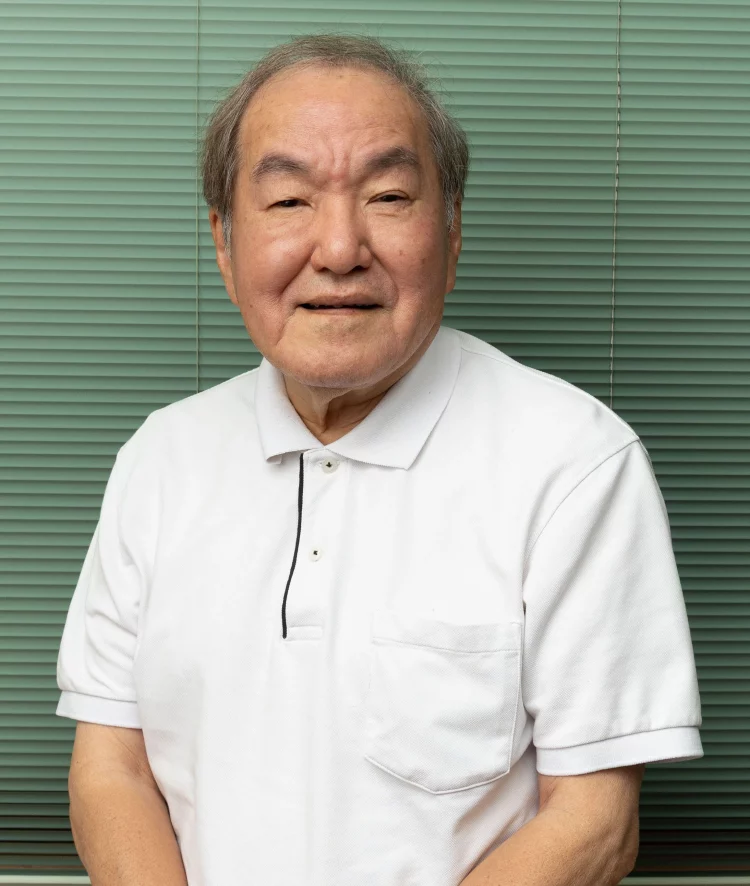
Some of the best consoles in video game history come from some truly genius minds of engineering and Hideki Sato was definitely one of those great minds. He embodied a unique and bold philosophy with hardware design and presentation that went hand in hand with the attitude we all know and love from Sega’s best years. Even if those consoles weren’t the commercial successes they needed to be at the time, they stand out in the annuls of video game history way better than most other unsuccessful consoles from years gone by. As stated before, no matter what it is you love best about those consoles, Hideki Sato was likely the man behind that aspect and it’s hard to imagine how different it could’ve been without his influence.
Not only that, but it’s rare for hardware or software engineers to take the reins on a whole company. Most people who get to take such a lofty position are people who never worked on the ground floor on either and sometimes have a disconnect with that entire part of the company. Nintendo had Satoru Iwata as the man for that job for some time, but Hideki Sato was Sega’s man for the job. In his time designing Sega’s consoles, he wasn’t just putting them together all on his own. He led a team of experienced designers to put them together and bounce ideas off of to help create those unforgettable designs. The skills on display there cannot be underestimated if the company’s higher-ups decided years later he should be the one leading the entire company, especially at a time when Sega was hemorrhaging hundreds of millions of dollars during their last few years as a hardware developer and the period of change after that. That would be a tough job for the best businessmen in the world, but Hideki Sato bravely saw the company through this crucial change, allowing them to live on today.
You’re all welcome to leave us comments about your favorite Sega consoles, what you loved best about them, and your happiest recollections with them in memory of the legend that was Hideki Sato. Your warm farewells to him and heartfelt condolences to his next of kin are also welcome. As I had said in my article about David Rosen last month, it’s also a good time to remind everyone to reach out to your own special folks in your lives and remind them how much you appreciate them. Like Sato-san and Mr. Rosen, they will pass one someday and you might not see it coming, so there’s no time like the present.
Special thanks goes to Sega-16 for their writeup on Hideki Sato and Shmupulations for their translation of Famitsu’s writeup on Sega console history as told by Hideki Sato himself. These were the sources for all info on Hideki Sato here. We also have some old articles here on SegaBits about him discussing the Mega Drive and the Saturn that you may be interested in reading.
Related posts:
 All-In-One Sega FPGA console “SuperSega” in development; shows world’s first Dreamcast FPGA footage
 Retro-bit SEGA USB and Bluetooth Genesis, Saturn and Dreamcast accessories revealed!
 figmaPLUS SEGA Consoles collection now available for pre-order – tiny accessories for your Figma action figures!
 Homebrew Games Summer Showcase 2024 showcases 120 new homebrew games, including many for Sega consoles
 SEGA News Bits: Shining series turns 25 years old
R.I.P. You’ve made Sega a Powerhouse in the Home console market with your legendary engineering on all of Sega’s consoles.
We shared great moments with his work. He did the best he could on the Saturn with the knowledge and time that management had made available to him. Rest in peace, Hideki Sato.
Another major key Sega figure passed on following David Rosen on Christmas day. The latest issue 9 of SEGA Mania magazine covered him, I mentioned to Tim Hugall about Hideki Sato, they’ll probably cover him in the next issue 10 of Sega Mania.
R.I.P